

Construction projects have always been a race against time. Delays can increase costs, disrupt schedules, and create frustration for everyone involved. Years ago, crews relied heavily on manual labor, paper-based planning, and equipment that required constant oversight.
While those methods got the job done, they often left plenty of room for inefficiencies.
Today’s job sites look very different. Advanced machinery, digital communication systems, and smart construction technology have transformed how projects move from planning to completion.
Modern construction tools and equipment are helping contractors work faster, reduce costly mistakes, and keep projects on track without compromising quality or safety.
What Makes Modern Construction Tools and Equipment Different
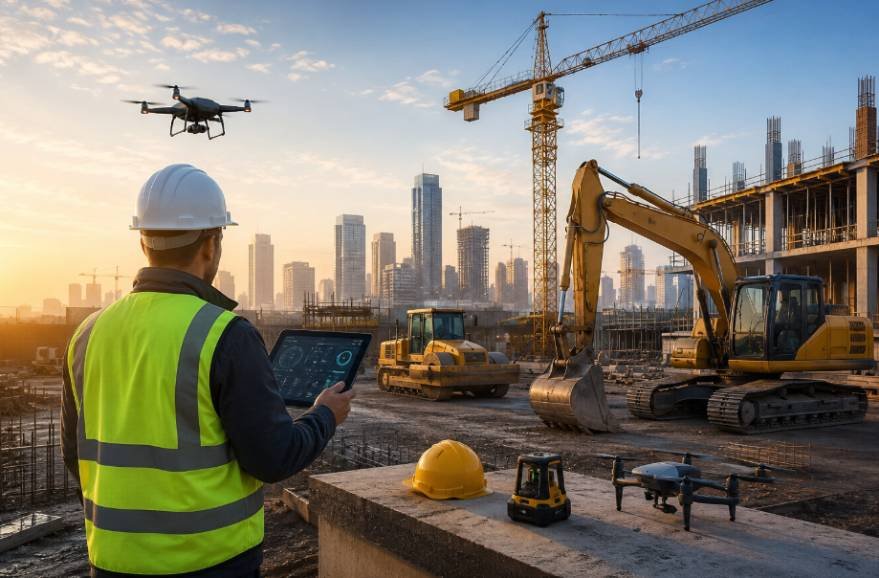
The biggest difference between traditional equipment and modern solutions is intelligence. Today’s construction machinery doesn’t simply perform physical tasks. It collects data, communicates with project management systems, and helps teams make better decisions in real time.
Smarter Technology Integration
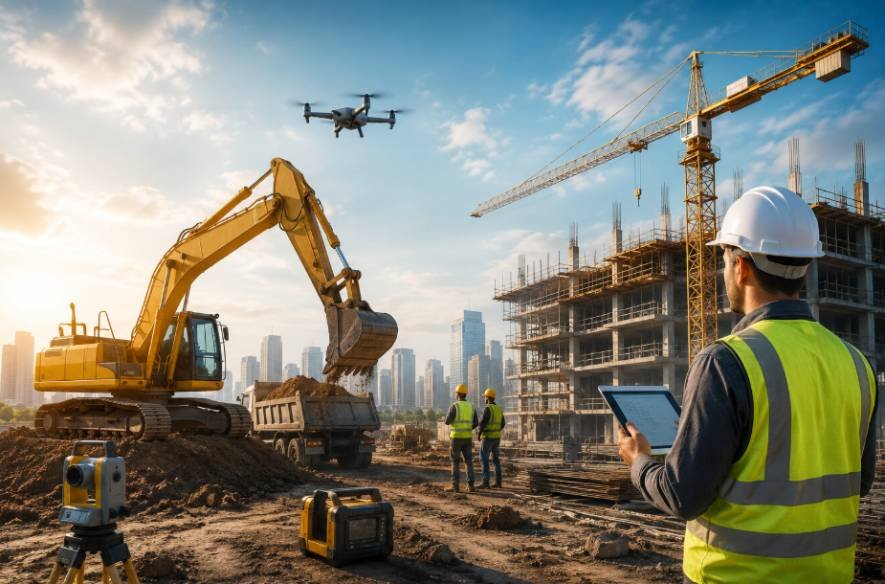
Many pieces of heavy equipment now include GPS machine control, sensors, and remote monitoring capabilities. Operators receive precise guidance while working, reducing guesswork and improving accuracy.
Instead of relying on manual measurements, GPS-guided excavators can dig foundations with remarkable precision. This eliminates unnecessary corrections and keeps projects moving according to schedule.
Automation and Precision Features
Automation is changing the pace of construction work. Tasks that once required large crews and significant labor hours can now be completed much faster through automated construction equipment.
Robotic bricklaying systems, rebar-tying robots, and smart ride-on rollers help crews complete repetitive work with greater consistency. These technologies not only accelerate production but also reduce material waste and minimize human error.
Ways Modern Construction Tools and Equipment Accelerate Projects
The impact of construction innovation becomes most visible in everyday job-site operations.
Faster Site Preparation
Site preparation often determines how smoothly the rest of a project will proceed. Modern earthmoving equipment and excavation machinery can complete grading, trenching, and foundation work much faster than older systems.
GPS-guided excavators allow operators to achieve exact depths and dimensions without repeated manual checks. This level of accuracy reduces delays caused by rework and inspection issues.
Autonomous drones also play an important role during the early stages of construction. What once required hours of manual surveying can now be completed in minutes through aerial mapping and topographical analysis.
Improved Material Handling
Moving materials efficiently across a job site directly affects construction productivity. Modern cranes, telehandlers, and lifting equipment help crews transport materials quickly while maintaining safety standards.
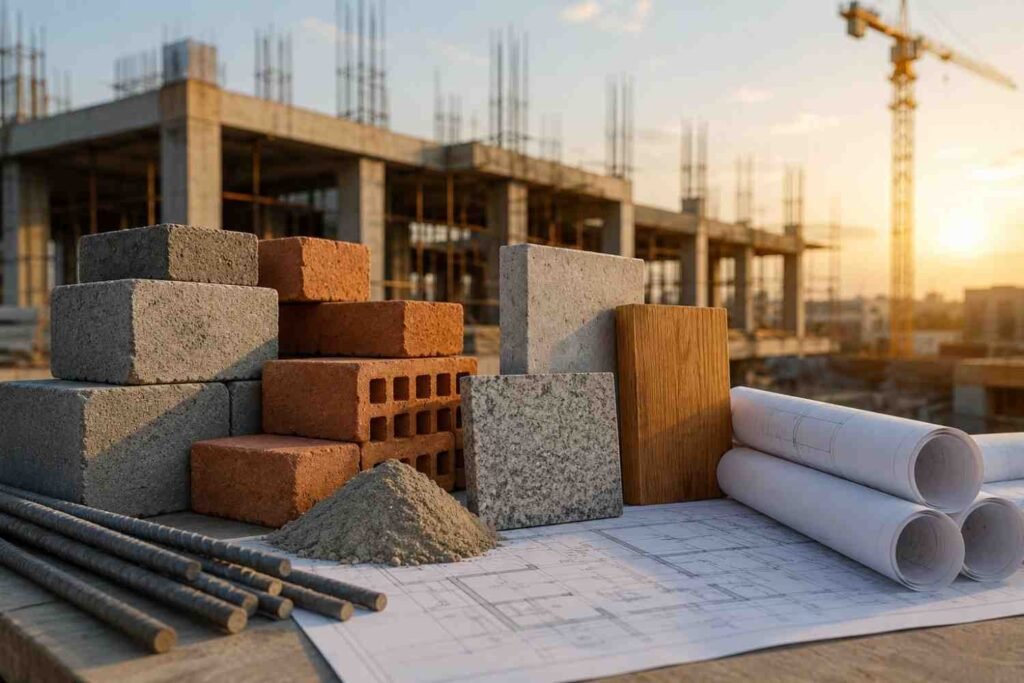
Project teams can also reduce delays by understanding on how to choose construction materials before ordering supplies, since the right materials can improve scheduling, durability, and overall project efficiency.
Advanced material handling systems reduce waiting times between tasks. Instead of crews standing idle while materials arrive, equipment operators can coordinate deliveries more effectively through digital tracking systems.
Better Project Coordination
Construction projects involve multiple teams working simultaneously. Delays often occur when communication breaks down between field workers, managers, subcontractors, and suppliers.
Integrated management platforms have significantly improved project coordination. Systems such as Procore and Buildertrend centralize schedules, tasks, reports, and field updates into one accessible location.
Project managers can identify potential scheduling conflicts early and make adjustments before delays spread throughout the project timeline. Faster communication creates smoother workflows and reduces downtime.
Reduced Rework and Errors
One of the biggest hidden costs in construction is rework. Correcting mistakes often consumes valuable labor hours and materials.
Building Information Modeling (BIM) has become a powerful solution for preventing these issues. Through detailed 3D modeling, teams can identify design conflicts before construction begins.
Instead of discovering a problem after materials have been installed, teams resolve issues virtually. This proactive approach saves time, protects budgets, and improves overall project efficiency.
The Role of Data and Connected Equipment
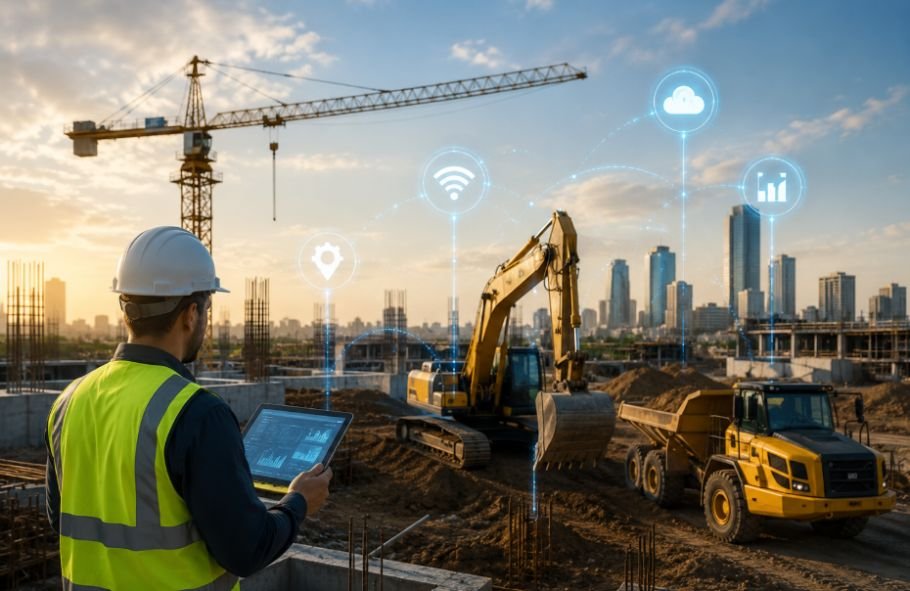
Modern construction tools and equipment generate valuable data that helps companies make smarter operational decisions.
Equipment telematics systems continuously monitor machine performance, fuel consumption, and utilization rates. Managers can identify underused assets and redistribute resources where they are needed most.
Predictive maintenance is another major advantage. Rather than waiting for a machine to fail unexpectedly, connected systems alert teams when servicing is required. Preventing breakdowns reduces costly disruptions and keeps projects moving.
Real-time tracking also improves accountability across job sites. Managers gain visibility into equipment performance, workforce productivity, and project progress without needing to physically inspect every area.
Safety Improvements That Keep Work Moving
Safety and speed often go hand in hand. When accidents occur, projects can experience significant downtime, investigations, and scheduling disruptions.
Modern construction equipment incorporates advanced safety features that help prevent incidents before they happen. Collision avoidance systems, sensor-based alerts, stability monitoring, and remote operation capabilities reduce risks for workers.
Automated equipment also limits exposure to hazardous tasks. Instead of performing repetitive or physically demanding activities manually, workers can focus on oversight and quality control.
Fewer accidents mean fewer interruptions, helping teams maintain momentum throughout the construction process.
Looking Beyond Speed: Long-Term Business Benefits
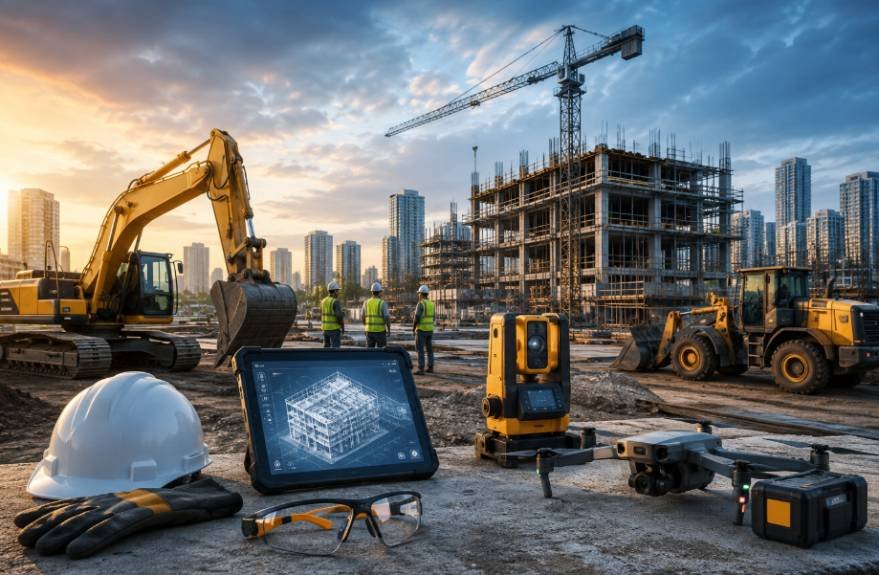
While faster project completion is a major advantage, the benefits extend well beyond shortened timelines.
Companies that invest in smart construction technology often see improvements in operational efficiency, client satisfaction, and profitability. Projects finish closer to schedule, resource planning becomes more predictable, and labor productivity increases.
Construction planning decisions also become more informed when technology provides better visibility into project requirements. For example, evaluating factors such as concrete vs brick construction can be easier when digital modeling tools reveal potential scheduling, labor, and material implications before work begins.
Modern equipment also supports sustainability goals through fuel-efficient machinery, reduced waste generation, and optimized resource utilization. These benefits create value long after a project is completed.
Frequently Asked Questions:
1. What are modern construction tools and equipment?
Modern construction tools and equipment include advanced machinery, automated systems, drones, GPS-guided equipment, digital project management platforms, and smart monitoring technologies designed to improve construction productivity and efficiency.
2. How do modern construction tools improve productivity?
They reduce manual labor, improve accuracy, minimize rework, streamline communication, automate repetitive tasks, and provide real-time data that helps teams make faster decisions.
3. Is Building Information Modeling (BIM) important for faster projects?
Yes. BIM allows teams to identify design conflicts before construction begins, helping avoid costly delays and reducing the need for corrective work later in the project.
4. Are modern construction tools worth the investment?
For many contractors and developers, the long-term benefits often outweigh the initial costs. Improved efficiency, reduced downtime, better safety performance, and faster project completion can deliver significant returns over time.
Why Better Equipment Often Changes Everything
Construction has always depended on skilled people, but today’s most successful projects combine human expertise with intelligent technology. The companies completing projects faster aren’t necessarily working harder; they’re working smarter.
Modern construction tools and equipment help eliminate bottlenecks, improve communication, reduce errors, and keep teams focused on productive work instead of avoidable setbacks.
As construction technology continues to evolve, the gap between traditional and technology-driven operations will likely become even more noticeable.
The faster projects of tomorrow will be built by teams that embrace the tools available today.