

Every construction site changes by the hour. A trench gets deeper, materials move, weather shifts, subcontractors arrive, and one overlooked hazard can turn a normal workday into an emergency. That is why I never treat safety as a one-time task. I see it as a daily habit that starts before the first tool runs.
A construction site hazard assessment checklist helps contractors, project managers, superintendents, and crew leads identify risks before they cause injuries, delays, OSHA violations, or costly rework.
It gives the team a clear way to inspect the jobsite, rate hazards, assign corrective actions, and document what has been fixed. For US construction companies, this kind of checklist also supports stronger OSHA compliance and better communication across trades.
What Is a Construction Site Hazard Assessment Checklist?
A construction site hazard assessment checklist is a structured inspection tool used to identify unsafe conditions, risky work activities, and missing controls on a jobsite. It helps you review everything from fall protection and electrical safety to equipment use, housekeeping, PPE, excavation hazards, and emergency access.
I like to think of it as a practical bridge between a construction site safety checklist and a construction risk assessment checklist. A safety checklist tells you what to inspect. A risk assessment helps you judge how serious each hazard is. A good hazard assessment checklist does both.
It does not replace OSHA standards, a site-specific safety plan, or the judgment of a competent person. However, it gives the team a repeatable process for spotting problems early and proving that safety checks are happening.
Why Does Hazard Assessment Matter Before Work Starts?
Most jobsite incidents do not happen because people know about a hazard and calmly ignore it. They happen because something changed, someone assumed another trade handled it, or the risk became normal after being seen every day.
Before work starts, I want the crew to know what could go wrong, who could be affected, what controls are already in place, and what needs correction before the task begins. This matters especially on active US jobsites where multiple subcontractors often work in the same area.
A strong construction hazard identification checklist helps reduce falls, struck-by incidents, caught-in-between hazards, electrical injuries, fire risks, and exposure to harmful dust or chemicals. It also helps supervisors document corrective actions, which can matter during insurance reviews, internal audits, or OSHA inspections.
What Should You Include in a Construction Site Hazard Assessment Checklist?
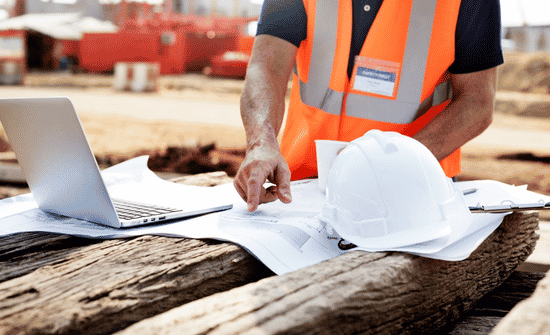
The best checklist should be simple enough to use daily but detailed enough to catch real risks. I would organize it around the jobsite conditions most likely to create injuries, shutdowns, or compliance issues.
Is the Jobsite Access Safe for Workers and Visitors?
Start with the basics because access problems create hazards before work even begins. Check whether entry points are secure, walkways are clear, temporary stairs are stable, and visitors know where to report. Look for muddy access routes, loose debris, poor lighting, missing signage, and blocked paths.
Good housekeeping is not just about keeping the site neat. It prevents slips, trips, falls, blocked emergency routes, and material handling injuries. A daily construction site safety checklist should always include access, storage areas, waste removal, and walking surfaces.
Are Workers Wearing the Right PPE?
Personal protective equipment should match the task and the hazard. Hard hats, safety glasses, gloves, high-visibility clothing, hearing protection, respirators, and fall protection gear all serve different purposes. I also check whether the PPE fits properly and remains in usable condition.
For a US jobsite, PPE requirements should align with OSHA (The Occupational Safety and Health Administration) expectations, company policy, and the actual job hazard analysis. PPE should never become the only safety control when guardrails, ventilation, equipment guards, lockout procedures, or better planning can reduce the hazard at the source.
Are Fall Hazards Properly Controlled?
Falls remain one of the biggest risks in construction, so fall protection deserves a dedicated section in the checklist. Inspect roof edges, floor openings, scaffolds, ladders, aerial lifts, stairways, leading edges, and elevated platforms.
I would confirm that guardrails are installed where required, holes are covered and labeled, harnesses and lanyards are inspected, anchor points are approved, and workers understand the fall protection plan. A job hazard analysis checklist for construction should always flag work at heights before crews begin the task.
Are Ladders and Scaffolds Safe to Use?
Ladders and scaffolds can look harmless until one missing brace, unstable footing, or poor setup causes an injury. Check whether ladders are the correct type, set on stable ground, extended properly, and free from damage. Workers should not use the top step, overreach, or carry heavy materials while climbing.
For scaffolding, inspect planks, guardrails, access points, mudsills, base plates, bracing, and load capacity. A competent person should review scaffold safety before use, especially after weather changes, movement, or modification.
Are Excavation and Trenching Hazards Controlled?
If the job includes excavation, trenching, or underground utility work, the checklist must go deeper. I would check soil conditions, trench depth, protective systems, access ladders, spoil pile placement, water accumulation, nearby traffic, and underground utility markings.
Trenching risks can become life-threatening quickly. Any excavation section of a construction risk assessment template should identify cave-in hazards, falling material risks, mobile equipment exposure, and atmospheric concerns when applicable.
Is Temporary Power and Electrical Work Safe?
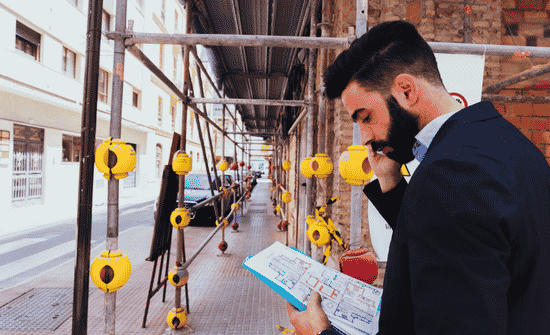
Temporary power creates serious risks when cords, panels, generators, and tools are not managed correctly. Check for damaged cords, exposed wiring, missing covers, overloaded circuits, wet locations, improper grounding, and missing GFCI protection.
Electrical safety should also include lockout/tagout where equipment service or energized systems are involved. I would never assume electrical hazards are handled just because a licensed trade is on site. The checklist should make responsibility visible.
Are Tools, Equipment, and Heavy Machinery Inspected?
Construction equipment can create struck-by, caught-between, rollover, crush, and noise hazards. Review cranes, forklifts, skid steers, excavators, lifts, compressors, saws, nail guns, grinders, and other powered tools before use.
Look for damaged guards, missing backup alarms, poor visibility, untrained operators, leaking fluids, unstable ground, and unsafe traffic flow. A construction safety inspection checklist should also confirm that workers stay clear of swing radiuses, lift zones, and loading areas.
Are Fire, Hot Work, and Emergency Risks Addressed?
Hot work, fuel storage, temporary heaters, welding, cutting, and flammable materials can increase fire risk fast. I would check whether fire extinguishers are accessible, hot work permits are complete, flammable liquids are stored correctly, and emergency routes remain open as part of a strong safety management process.
The emergency section should also include first aid kits, eyewash stations when needed, muster points, emergency contacts, severe weather plans, and clear access for emergency vehicles.
Are Hazardous Materials, Dust, and Chemicals Controlled?
Many construction hazards are not visible at first glance. Silica dust, fumes, solvents, adhesives, paints, insulation materials, asbestos concerns, and fuel exposure can harm workers if controls are weak.
A strong OSHA construction site safety checklist should review safety data sheets, labels, ventilation, respiratory protection, dust suppression, spill kits, storage practices, and worker training. I would also check whether nearby trades could be exposed by another crew’s activity.
How Do You Rate Hazards on a Construction Site?
Finding a hazard is only the first step. The next step is deciding how serious it is and how quickly it needs correction. I prefer a simple risk rating system that looks at severity and likelihood.
Severity asks how bad the outcome could be. Could the hazard cause a minor injury, serious injury, fatality, property damage, or a major shutdown? Likelihood asks how probable the incident is based on current conditions, worker exposure, frequency of the task, and existing controls.
High-risk hazards need immediate action before work continues. Medium-risk hazards need assigned correction with a clear deadline. Low-risk hazards still need tracking because small issues can grow as the jobsite changes.
Equipment tracking technology for construction companies can further strengthen safety efforts by providing real-time visibility into machinery locations, maintenance schedules, and equipment usage, helping teams identify potential risks before they affect productivity or worker safety.
How Often Should a Construction Site Hazard Assessment Be Done?
A hazard assessment should happen before major work starts, at the beginning of each shift, after site conditions change, and before high-risk tasks. I would also repeat the assessment after severe weather, equipment relocation, excavation changes, scaffold modification, incident reports, near misses, or new subcontractor activity.
Daily inspections work well for active jobsites. Weekly reviews help supervisors catch recurring issues. Pre-task assessments help individual crews focus on the specific hazards tied to their work.
What Is the Difference Between a Safety Checklist and a Job Hazard Analysis?
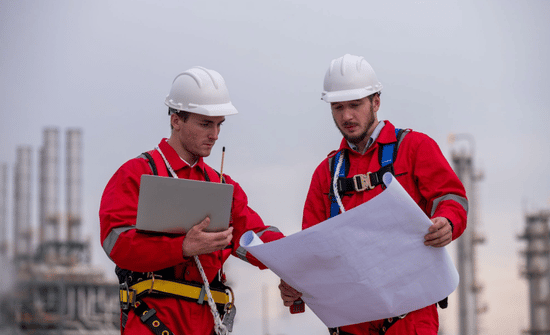
A construction site safety checklist looks at the overall condition of the jobsite. It helps identify unsafe areas, missing controls, equipment issues, and general compliance gaps.
A job hazard analysis focuses on one task. It breaks the work into steps, identifies hazards for each step, and defines controls before workers begin.
A construction site hazard assessment checklist can include both approaches. It can review the entire site while also creating space for task-specific hazards such as roofing, trenching, lifting, demolition, or hot work.
Common Mistakes to Avoid During Site Hazard Assessments
One mistake I see often is turning the checklist into paperwork instead of a real inspection. If someone checks boxes from the trailer without walking the site, the process loses value.
Another mistake is failing to assign corrective actions. A hazard that gets documented but not fixed still puts workers at risk. Every serious issue should have a responsible person, a correction deadline, and a follow-up status.
I also avoid using the same checklist for every project without adjusting it. A residential remodel, bridge repair, commercial high-rise, warehouse buildout, and roadwork project all need different hazard focus areas.
Simple Construction Site Hazard Assessment Checklist Template
You can use this sample format as a starting point for your own construction risk assessment template.
Project name:
Date and time:
Inspector or supervisor:
Work area reviewed:
Task or activity:
Hazard identified:
Who may be affected:
Current control measures:
Risk level: low, medium, or high
Corrective action needed:
Responsible person:
Deadline:
Status: open, in progress, or completed
Supervisor review:
This format keeps the checklist practical. It helps the team move from identifying hazards to correcting them.
FAQs About Construction Site Hazard Assessment Checklists
-
What is the purpose of a construction site hazard assessment checklist?
The purpose is to identify jobsite hazards, rate their risk level, assign corrective actions, and help crews work more safely before incidents happen.
-
Is a construction hazard assessment checklist required by OSHA?
OSHA requires employers to provide a safe workplace and assess hazards, but the exact checklist format depends on the company, jobsite, and work activity.
-
Who should complete a construction site safety checklist?
A superintendent, safety manager, competent person, project manager, or trained crew lead can complete the checklist, depending on the task and company policy.
-
What hazards should I look for on a construction site?
Look for fall hazards, electrical risks, struck-by hazards, trenching dangers, scaffold issues, PPE gaps, fire risks, chemical exposure, poor housekeeping, and unsafe equipment.
Final Thoughts
When I use a construction site hazard assessment checklist, I am not just trying to satisfy a safety requirement. I am trying to give the crew a clearer, safer way to start work. Construction will always involve risk, but risk becomes easier to manage when everyone can see the hazards, understand the controls, and act before something goes wrong.
For US contractors, the strongest checklist is practical, OSHA-informed, site-specific, and easy to repeat. It should help the team inspect the site, document hazards, correct problems, and keep safety conversations active every day. A safer jobsite starts with better awareness, and a good checklist turns that awareness into action.