




A musty basement is not just an odor problem. It is usually your house warning you that moisture, mildew, or hidden mold has moved in rent-free.
I learned that the hard way after cleaning one basement three times, only to have the same damp smell return within a week. The real fix was not a stronger air freshener. The real fix was learning how to stop musty smells in the basement by finding the moisture source first, cleaning the right materials, and preventing damp air from coming back.
Why Your Basement Smells Musty in the First Place
A musty smell usually comes from microbial growth, trapped moisture, damp dust, old storage items, or poor airflow. Basements are more vulnerable because they sit partly or fully below ground. That means cooler surfaces, higher humidity, and more contact with soil moisture.
Moisture Is Usually the Real Problem
Most basement odor problems start with relative humidity. When the air stays damp, mold and mildew can grow on cardboard, wood, drywall, carpet backing, insulation, fabric, and even dust.
The smell may get worse after rain, during humid weather, or when windows stay closed for long periods. If the basement feels cool but sticky, moisture is probably feeding the odor.
When the Smell Means Mold or Mildew
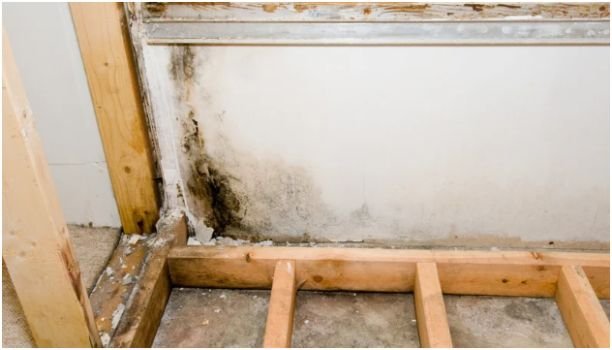
A musty smell does not always mean visible mold, but it is a strong clue. Mildew often appears as a thin surface growth on damp materials. Mold can grow deeper into porous surfaces and may hide behind walls, under carpet, or inside stored boxes.
If you see dark spotting, fuzzy patches, water stains, peeling paint, or warped trim, treat the odor as a moisture and mold warning.
My First Step: Find the Moisture Source Before Cleaning
Cleaning first feels productive, but it can waste time. I always start with a quick “sniff, source, solve” check. I walk the basement slowly and notice where the smell is strongest. Corners, carpets, floor drains, storage shelves, and exterior walls usually tell the story.
Check Humidity With a Simple Meter
Use a small hygrometer and check the basement humidity in three spots. Place it near the floor, near an exterior wall, and near the center of the room.
If the reading stays above 50%, the basement needs moisture control. I also like to check humidity in the morning and evening for two days. A basement that jumps after rain or laundry use has a source problem, not just a stale-air problem.
Look for Water Clues Around the Basement
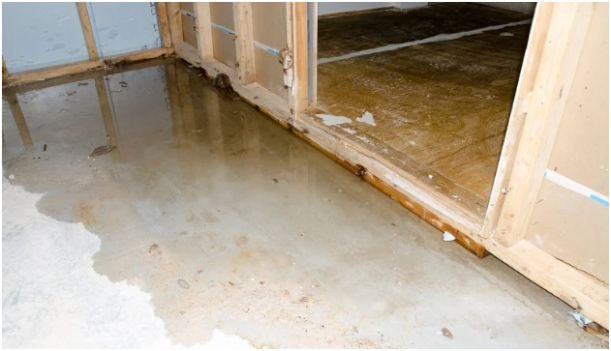
Check for damp concrete, rust on metal shelving, condensation on cold-water pipes, wet carpet edges, white powder on masonry, and stains near baseboards. Outside, look at gutters, downspouts, grading, and spots where water pools near the foundation.
This step matters because how to stop musty smells in the basement depends on the cause. A damp cardboard smell needs decluttering. A sewer-like smell may need drain attention. A rain-related odor may need drainage work.
How to Stop Musty Smells in the Basement With Humidity Control
Once you know moisture is involved, control the air first. This prevents the odor from rebuilding while you clean.
Use the Right Dehumidifier Setup
Run a basement-rated dehumidifier and set it around 45% to 50% relative humidity. A 50-pint unit often works better for damp basements than a small portable model, especially in larger spaces.
Use continuous drainage when possible. Connect the dehumidifier hose to a floor drain or use a condensate pump. This keeps the unit running without depending on someone to empty the bucket.
Keep the unit away from walls so air can circulate. Clean the filter often, especially during humid months. A clogged filter makes the machine work harder and reduces moisture removal.
Improve Airflow Without Making Things Worse
Air movement helps dry damp corners, but it must be used wisely. Use floor fans to move air across walls and storage areas. Avoid pointing fans directly at visible mold because that can spread spores.
Open basement windows only when outdoor air is dry. On hot, humid days, open windows can make the basement wetter. That is why summer basement odors often get worse after “airing it out.”
Good airflow also supports whole-home comfort. If you are improving seasonal comfort upstairs too, know how to keep a house cool in summer naturally.
Clean the Basement Smell at the Source
After humidity is controlled, clean the materials that hold odor. This is where many homeowners miss the real problem. The basement air can smell bad because the odor is trapped in boxes, fabrics, old rugs, or dusty surfaces.
Remove Damp Storage Items
Cardboard is one of the biggest basement odor offenders. It absorbs moisture, holds mildew, and keeps smells alive. Replace cardboard boxes with sealed plastic bins.
Throw away damp papers, old magazines, moldy books, wet insulation scraps, and anything that smells musty after drying. If an item still smells after 24 hours in dry air, it may keep spreading odor.
Scrub Hard Surfaces Safely
Clean concrete floors, unfinished walls, shelving, and exposed wood with detergent and water. Dry everything completely after scrubbing.
For mild odor on hard surfaces, white vinegar diluted with water can help reduce mildew smell. Do not mix vinegar with bleach. Do not mix bleach with ammonia or other cleaners. Keep the area ventilated while cleaning.
If mold covers a small hard surface, scrub it carefully, dry it fully, and keep humidity low afterward. Cleaning without drying only resets the problem.
Deal With Carpets, Fabrics, and Soft Materials
Basement carpet is tricky. The top may look fine while the padding underneath stays damp. If the carpet smells musty after dehumidifying and cleaning, the padding may need removal.
Wash curtains, blankets, and washable fabrics with hot water when safe for the material. Dry them fully before returning them to the basement. Upholstered furniture that smells damp may not be worth saving if mold has entered the padding.
This is where I use a simple test. I clean and dry the item, then place it in a sealed trash bag overnight. If the musty smell is strong when I open the bag, the item is still holding odor.
Natural Odor Absorbers That Actually Help
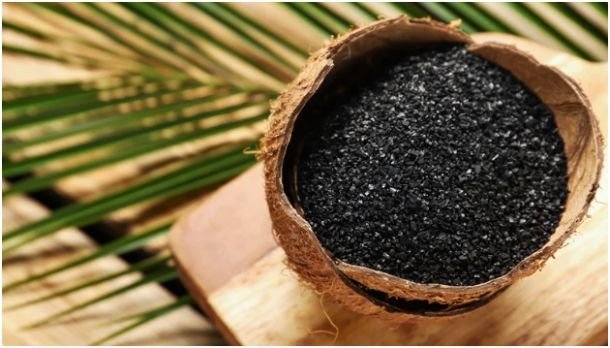
Odor absorbers help after you remove moisture and clean the source. They should never replace drying, cleaning, or repairs.
Activated Charcoal, Baking Soda, and Coffee Grounds
Activated charcoal works well in closed basement corners, closets, and storage areas. It absorbs odor instead of covering it.
Baking soda can help in small stale zones. Use open bowls and replace them weekly. Dry coffee grounds can reduce heavy damp smells, but they should stay in shallow containers where they cannot spill or attract pests.
These options work best after the basement is dry. If the room is still humid, odor absorbers will lose the fight.
What Not to Use
Avoid scented sprays as the main fix. They mix perfume with mildew odor and often make the basement smell worse.
Avoid running an ozone generator in an occupied home. Ozone can irritate the lungs and does not fix the moisture source. Also avoid painting over musty walls before cleaning and drying them. Paint can trap moisture and hide damage.
Fix the Basement So the Smell Does Not Return
Long-term prevention is where the basement finally changes. Once you understand how to stop musty smells in the basement, the goal is to make the space boring, dry, and predictable.
Seal Cracks and Stop Condensation
Seal small foundation cracks with the proper concrete sealant or hydraulic cement. If water actively enters through cracks, get professional advice before sealing from the inside only.
Wrap cold-water pipes with foam insulation. Sweating pipes can drip behind walls, onto floors, or into storage areas. That small drip can create a big smell over time.
Check dryer vents too. A dryer that vents into the basement dumps warm moisture into the air and can feed musty odors fast.
Move Rainwater Away From the Foundation
Outside drainage matters more than most people think. Clean gutters, extend downspouts, and make sure soil slopes away from the house. Water should move away from the foundation, not sit beside it.
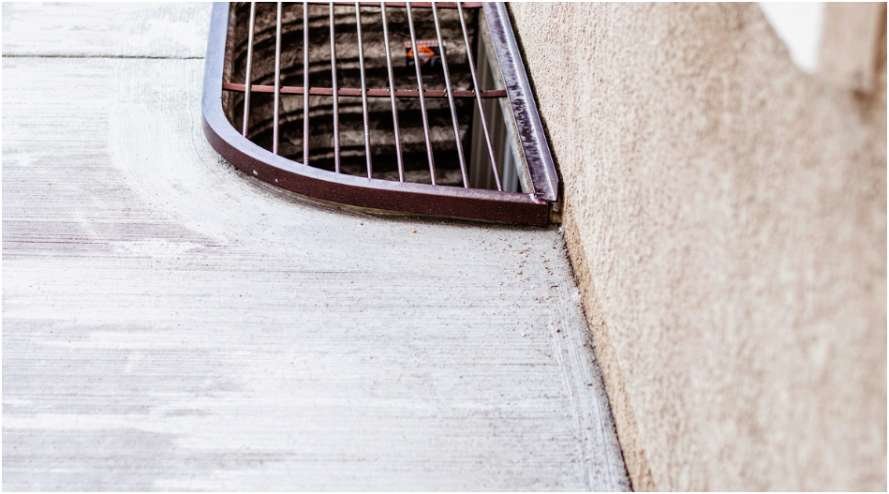
Also check window wells. Leaves, mud, and clogged drains can let water collect against basement windows. That moisture often shows up indoors as staining, peeling paint, or a musty corner.
When to Call a Professional
Call a professional if the smell returns after humidity control and cleaning, or if you see large mold patches, recurring water entry, sewage odor, or wet drywall. Also get help if anyone in the home has asthma, allergies, or immune concerns.
A professional may inspect wall cavities, flooring, HVAC ducts, sump pumps, foundation cracks, and hidden moisture with proper tools. That matters because hidden mold can keep producing odor even when the room looks clean.
FAQs About Basement Musty Smells
1. What causes a musty smell in a basement?
A musty basement smell usually comes from moisture, mildew, mold, damp storage items, poor airflow, or hidden water leaks.
2. Will a dehumidifier remove musty basement smells?
A dehumidifier helps a lot, but it works best after you clean odor sources and fix leaks or condensation.
3. How long does it take to get rid of a musty basement smell?
A mild smell may improve in 24 to 72 hours, but deep odors from carpet, mold, or leaks can take longer.
4. Is a musty basement smell dangerous?
It can be a warning sign of mold or moisture damage, so you should inspect, clean, dry, and repair the source.
Final Take: Make the Basement Behave
A basement should smell like storage space, not a forgotten swamp. The fastest fix is not perfume, candles, or hoping the smell disappears by itself.
Start with humidity, remove damp materials, scrub hard surfaces, dry everything completely, and correct the water source. Once the basement stays under control for a full week after rain, you will know the fix is working.
That is the real answer to how to stop musty smells in the basement: do not chase the smell. Cut off its moisture supply, clean what it fed on, and make the space too dry for the odor to come back.