



If cold air slips in around your frames, your heater works harder and your rooms still feel uncomfortable. I always start with how to fix drafts around doors and windows because this job is affordable, quick, and easy to test before and after.
A few small seals can change the way a room feels. The U.S. Department of Energy says DIY caulking projects can save 10% to 20% on energy, depending on the home and leak condition.
Why Door and Window Drafts Are Worth Fixing First
Drafts are not just annoying. They create uneven room temperatures, raise heating and cooling demand, and make your HVAC system cycle more often. If one room feels colder near the window or warmer near the exterior door, air leakage is often part of the problem.
I like this repair because it does not need major tools. Most homes need a mix of weatherstripping, caulk, a door sweep, foam corner pads, or low-expansion spray foam behind trim. The trick is matching the product to the leak.
Weatherstripping belongs on moving parts. Caulk belongs on fixed seams. Door sweeps and thresholds handle the bottom gap. Spray foam belongs behind trim when air bypasses the frame.
How I Find Drafts Before Buying Supplies

Buying a random roll of foam tape is where many DIY fixes go wrong. Before sealing anything, I map the leak.
The Hand Test
On a windy day, I slowly move my hand around window sashes, door edges, corners, and trim. A clear cold or warm stream usually points to the exact leak. This works best when the indoor and outdoor temperatures feel very different.
The Flashlight Test
At night, I ask someone to shine a flashlight around the outside edge of the door or window. If I see light from inside, I know air can pass through too. This test is especially useful under doors and near lower frame corners.
The Candle or Incense Test
I hold a lit incense stick or candle near the seams. If the smoke bends or the flame flickers, air is moving. I use this carefully and keep it away from curtains, blinds, and loose paper.
The 3-Zone Draft Check
My favorite method is to divide every draft into three zones. Zone one is moving parts, such as door edges and window sashes. Zone two is fixed seams, where the frame meets trim, siding, or drywall. Zone three is hidden frame gaps behind casing or trim. This simple split tells me what product to use before I spend money.
How to Fix Drafts Around Windows
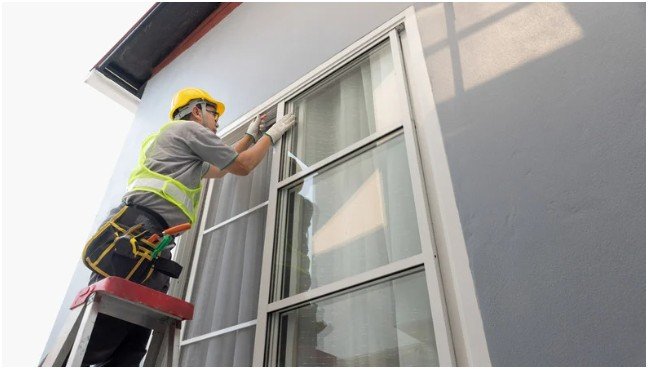
Windows usually leak in two places: around the sash or around the frame. Each needs a different repair.
Replace Weatherstripping on Moving Window Parts
For movable window sashes, weatherstripping creates a flexible seal. I use self-adhesive foam tape for quick fixes, V-strip tension seals for longer wear, and silicone rubber when I want better durability.
First, I clean the frame with rubbing alcohol so the adhesive can grip. Then I measure the sash perimeter, cut the strip to size, and press it into the jamb. The seal should compress when the window closes, but it should not stop the lock from working.
For sliding windows, I avoid thick foam where it can drag or bunch. Brush-style strips often work better because they reduce air movement without blocking smooth sliding.
Recaulk Fixed Window Seams
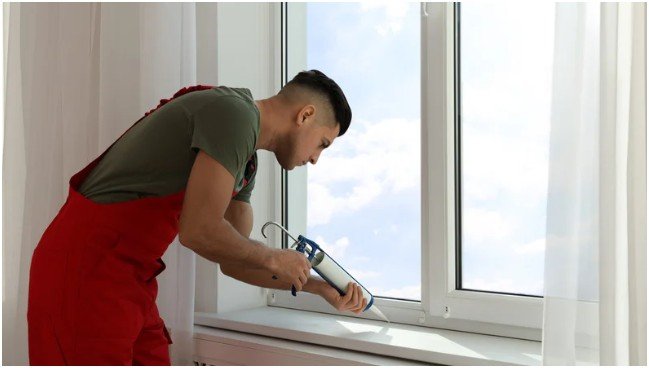
If the draft comes from the joint where the frame meets the wall, old caulk may have cracked. I remove brittle caulk with a putty knife, clean away dust, and let the area dry. Then I apply a smooth bead of paintable acrylic latex caulk indoors or exterior-rated silicone/acrylic caulk outside.
Caulk works best for narrow, stationary gaps. If a gap is wider than about a quarter inch, I use backer rod first or choose the right foam product. Thick caulk alone can shrink, crack, or pull away.
Use Shrink Film for a Fast Winter Fix
For older single-pane windows, window insulation shrink film can help during cold months. I apply the double-sided tape around the casing, press the film into place, and use a hair dryer to tighten it. The result is a clear temporary air barrier.
This is not the prettiest fix, but it works well for guest rooms, rentals, basements, and drafty older windows. I remove it when the season changes so the window can open again.
Seal Hidden Gaps Behind Window Trim
If the sash and caulk look fine but the draft continues, air may be coming from behind the trim. In that case, I carefully remove the casing with a pry bar and inspect the gap between the window frame and rough opening.
For that space, I only use low-expansion spray foam labeled for windows and doors. Standard foam can expand too much and distort the frame. After it cures, I trim the excess with a utility knife and reinstall the casing.
That makes draft sealing one of those small home improvements that make a big difference, especially before winter or peak summer cooling season.
How to Fix Drafts Around Doors

Doors often leak at the bottom, latch side, hinge side, and lower corners. The fix depends on where daylight or air appears.
Adjust the Threshold
If I see daylight under an exterior door, I check the threshold first. Many modern thresholds have screws that raise or lower the seal. I turn the screws evenly until the threshold touches the door bottom without making the door hard to open.
This small adjustment can solve a large bottom draft without buying anything.
Install a Door Sweep
If the threshold adjustment is not enough, I add a door sweep. I measure the door width, cut the sweep to fit, and place it along the interior bottom edge. The rubber, silicone, or brush seal should touch the threshold lightly.
A sweep that sits too high will leak. A sweep that sits too low will scrape, bend, and wear out fast.
Replace Door Compression Weatherstripping
Exterior doors often use compression weatherstripping in a kerf groove around the frame. When it flattens, tears, or pulls loose, the door no longer seals.
I pull out the old strip with pliers, clean the groove, and press in a matching replacement. At the corners, I trim clean angles so the material does not bunch up and stop the door from latching.
Tighten Hinges and Strike Plates
Sometimes the problem is not the seal. It is the door position. If the door sags, I tighten the hinge screws, especially the top hinge. If the screws spin without gripping, I replace them with longer screws that bite into the wall framing.
If the door rattles when latched, I adjust the strike plate slightly so the door pulls tighter against the weatherstripping. A small latch adjustment can make an old seal work again.
Add Foam Corner Pads
The bottom corners of exterior doors leak more often than people expect. I use small adhesive foam corner pads at the lower jamb corners when the sweep and side weatherstripping still leave a tiny gap. These pads are cheap, fast, and surprisingly effective.
What Not to Do When Sealing Drafts
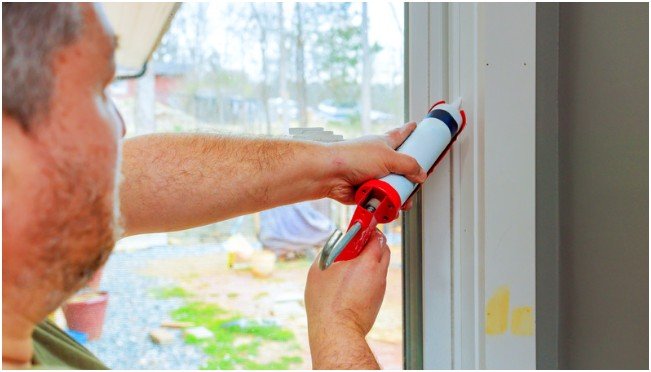
I do not caulk moving parts. A window sash or door edge needs weatherstripping, not caulk. I also avoid overfilling trim gaps with standard spray foam because it can bow frames and cause sticking.
I do not seal every crack in a home without thinking about ventilation. The EPA warns that weatherization without proper ventilation can affect indoor air quality. After sealing a very drafty home, I watch for window condensation, stale odors, or moisture problems. Comfort should not come at the cost of trapped indoor pollutants.
When to Call a Professional
Most draft repairs are DIY-friendly, but some signs need expert help. I call a professional when the frame is rotted, the door slab is badly warped, the window will not lock, or water stains appear around the casing. I also get help when drafts continue after weatherstripping, caulking, and trim sealing.
A professional energy audit can also help when the whole house feels leaky. Doors and windows matter, but attic bypasses, duct leaks, recessed lights, and rim joists can waste even more energy.
FAQs
1. What is the cheapest way to stop drafts around windows?
Self-adhesive weatherstripping and shrink film are usually the cheapest fixes for minor window drafts.
2. How do I stop cold air from coming under my front door?
Adjust the threshold first, then add a door sweep if daylight or airflow still appears under the door.
3. Should I use caulk or weatherstripping for drafty windows?
Use caulk on fixed seams and weatherstripping on movable window sashes.
4. How to fix drafts around doors and windows in an old house?
Start with weatherstripping, recaulk fixed seams, add sweeps, then check hidden gaps behind trim with low-expansion foam.
Final Take: Don’t Let Your House Leak Like Gossip
Drafts are sneaky, but they are usually not complicated. Once I separate the leak into moving parts, fixed seams, or hidden frame gaps, the repair becomes much easier.
Start with one drafty door or window this week. Test it, seal it, close it, and feel the difference. Your home should keep treated air inside, not donate it to the neighborhood.