

Construction projects have become increasingly demanding over the years. Tight schedules, rising material costs, labor shortages, and stricter safety requirements leave little room for error. While discussions often focus on workforce management or budgeting, one factor quietly influences nearly every stage of a project: contractor equipment planning.
Anyone who has spent time around a busy jobsite has seen how quickly things can fall apart when the right machinery is unavailable. An excavator arriving late, a crane sitting idle, or a loader breaking down unexpectedly can create a chain reaction that affects productivity, costs, and deadlines. That’s why contractor equipment planning has evolved from a routine operational task into a critical part of modern construction management.
Why Equipment Planning Has Become More Important?
Growing Project Complexity
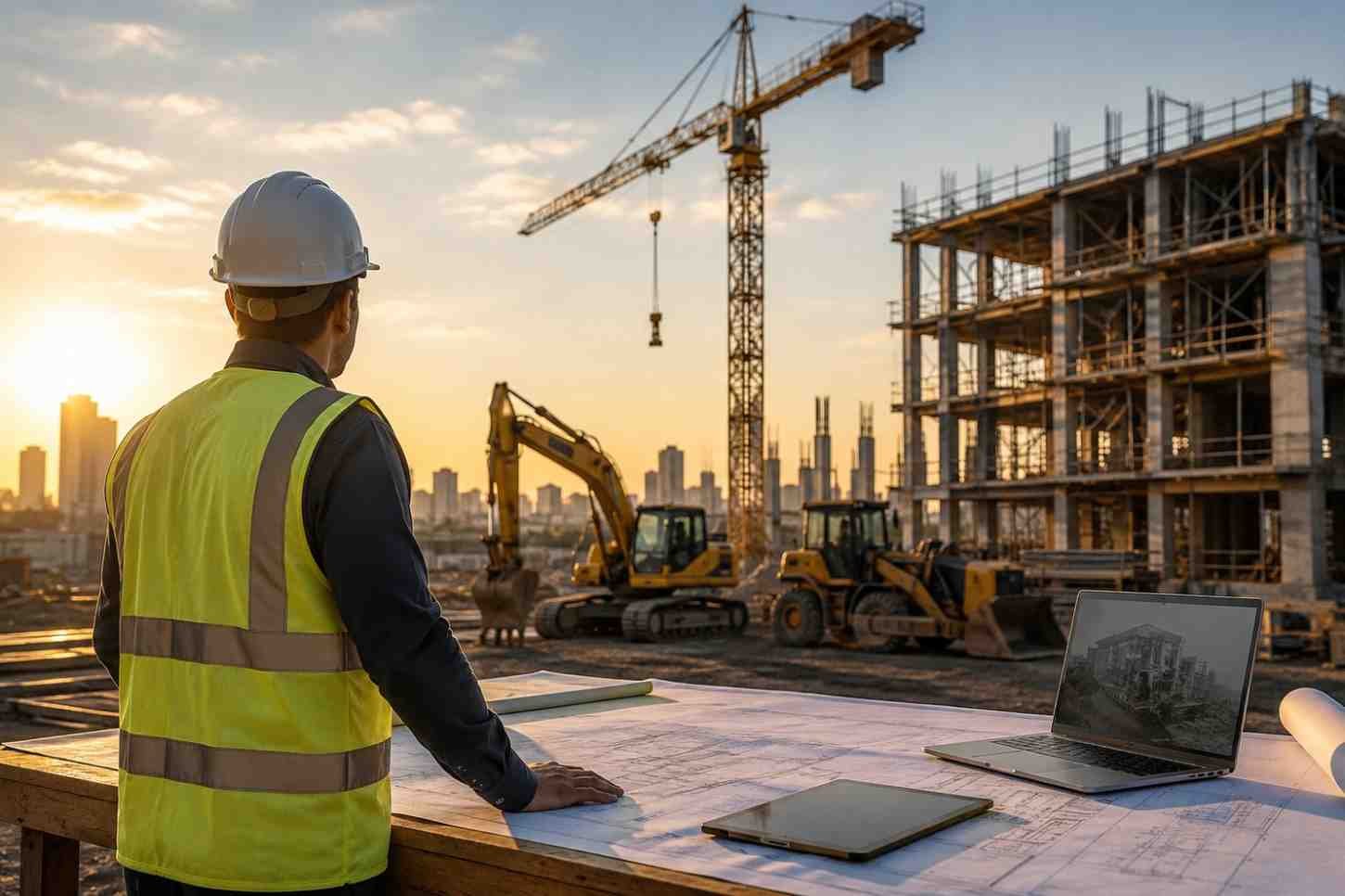
Modern construction projects involve multiple stakeholders, specialized equipment, and tightly connected workflows. Delays in one area can quickly impact several others.
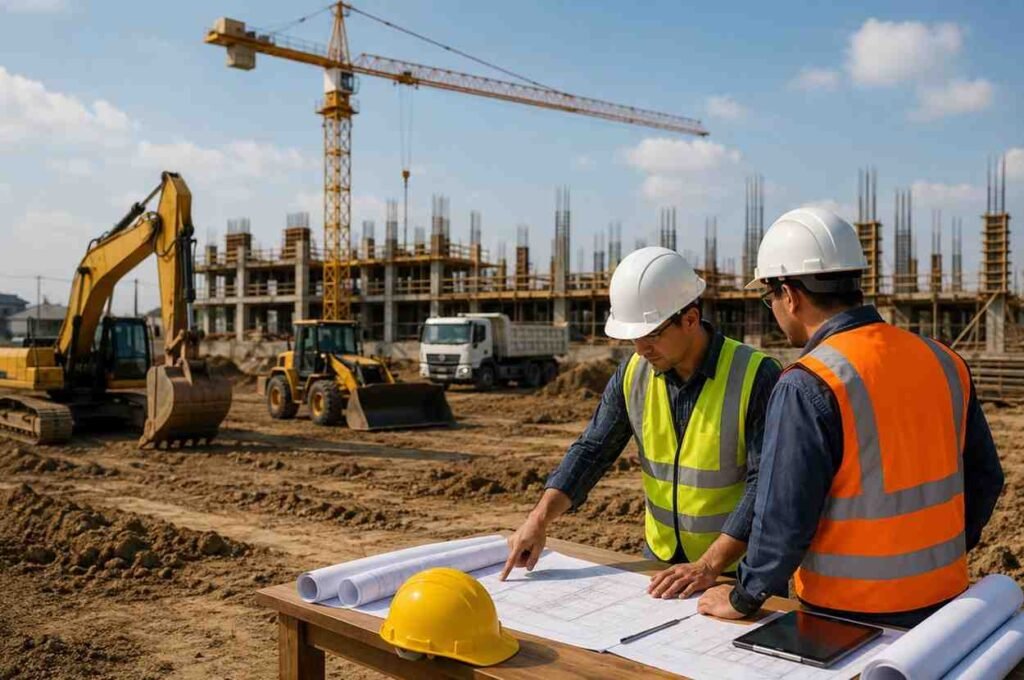
A single project may require excavators, cranes, loaders, dump trucks, concrete pumps, and specialized lifting equipment working together at different stages. Without proper equipment scheduling, even highly skilled crews can experience downtime while waiting for machinery to become available.
Rising Equipment Costs
Heavy machinery represents one of the largest capital investments in construction operations. Purchasing, leasing, transporting, fueling, maintaining, and storing equipment all contribute to overall project expenses.
Effective contractor equipment planning helps project managers make informed decisions about whether equipment should be purchased, rented, or leased based on project duration, utilization rates, and cash flow considerations.
Labor and Scheduling Challenges
Construction companies continue to face workforce shortages in many markets. When labor resources are limited, maximizing productivity becomes even more important.
Proper planning ensures crews have access to the equipment they need when they need it, reducing idle time and improving overall jobsite productivity.
How Contractor Equipment Planning Impacts Project Performance?
Better Budget Control
Equipment-intensive projects carry significant financial risks. Poor planning often leads to emergency rentals, additional transportation expenses, storage fees, and unexpected maintenance costs.
By forecasting equipment requirements early, contractors can negotiate better rental agreements, optimize equipment utilization, and avoid costly last-minute decisions. This level of planning helps keep projects aligned with budget expectations.
Improved Operational Efficiency
Every machine on a construction site should have a clear purpose. Equipment planning helps teams match machinery to specific site conditions, including terrain, soil characteristics, access limitations, and production requirements.
For example, selecting the right excavator size for a particular excavation task can significantly improve operational efficiency while reducing fuel consumption and wear on equipment.
Stronger Workforce Productivity
Equipment availability directly influences labor productivity. Workers cannot perform efficiently when machinery arrives late or is assigned elsewhere.
Many contractors who invest time in equipment planning also pay close attention to how to choose construction materials because both decisions influence project timelines, resource allocation, and overall construction workflow. When materials and equipment are aligned, crews can maintain momentum throughout the project.
Greater Schedule Reliability
Modern contracts often include strict deadlines and financial penalties for delays. Equipment planning helps teams forecast lead times, coordinate deliveries, and prepare contingency plans when disruptions occur.
This proactive approach reduces scheduling conflicts and improves overall project predictability.
Key Elements of Effective Equipment Planning
Forecasting Equipment Needs
Successful planning begins with understanding future equipment requirements.
Project managers evaluate factors such as:
- Project scope and duration
- Site conditions
- Equipment availability
- Production targets
- Workforce requirements
Early forecasting helps prevent shortages and allows sufficient time for procurement.
Scheduling and Fleet Coordination
Large construction projects depend on multiple machines working together efficiently.
For example, excavators and dump trucks must operate in sync. If hauling capacity cannot keep up with excavation output, bottlenecks develop quickly. Effective fleet management focuses on balancing equipment capacities to maintain steady production.
Preventive Maintenance Planning
Unexpected equipment downtime can derail even the best-managed projects.
Instead of waiting for breakdowns to occur, contractors increasingly rely on preventive maintenance schedules. Maintenance activities are planned during natural workflow gaps, minimizing disruption while protecting equipment lifespan.
Rental Versus Ownership Decisions
Not every project justifies purchasing equipment.
Planning helps contractors determine when renting offers greater flexibility and when ownership provides better long-term value. These decisions often depend on projected utilization rates, maintenance costs, and future project pipelines.
The Growing Role of Technology in Equipment Management
Technology has transformed contractor equipment planning in ways that were difficult to imagine just a decade ago.
GPS tracking and telematics systems now provide real-time visibility into equipment location, utilization, fuel consumption, and engine performance. Project managers can monitor construction resources across multiple job sites and make faster decisions based on actual field data.
Integrated management platforms allow equipment schedules, workforce assignments, and project timelines to work together within a single system. This improves communication between field teams and office staff while reducing administrative inefficiencies.
Building Information Modeling (BIM) has also become increasingly valuable. By incorporating equipment into digital project models, planners can identify access challenges, equipment conflicts, and space limitations before construction begins. This improves resource planning and reduces costly surprises later in the project.
FAQs: The Role of Contractor Equipment Planning in Modern Construction Projects
1. What is contractor equipment planning?
Contractor equipment planning is the process of selecting, scheduling, allocating, and managing construction equipment throughout a project’s lifecycle to improve productivity, control costs, and meet deadlines.
2. Why is equipment planning important in construction?
Equipment planning helps reduce downtime, improve labor productivity, control expenses, and ensure machinery is available when needed. It also supports safer and more efficient jobsite operations.
3. How does technology improve equipment planning?
Modern technology provides real-time equipment tracking, utilization monitoring, maintenance alerts, and scheduling tools that help contractors make informed decisions and improve resource management.
4. Should contractors rent or buy equipment?
The decision depends on project duration, equipment utilization rates, maintenance costs, cash flow, and future workload. Equipment planning helps determine which option delivers the greatest value.
Why the Best Projects Rarely Leave Equipment to Chance
The most successful construction projects rarely depend on luck. They rely on careful coordination, informed decision-making, and a clear understanding of how resources interact throughout the building process. Contractor equipment planning sits at the center of that effort. It influences budgets, schedules, workforce productivity, safety outcomes, and overall project quality. As construction projects continue to grow in complexity, equipment planning becomes less of an operational function and more of a strategic advantage.
When the right equipment shows up at the right time and performs exactly as expected, projects move forward with confidence. That’s often the difference between simply finishing a project and delivering one that exceeds expectations.