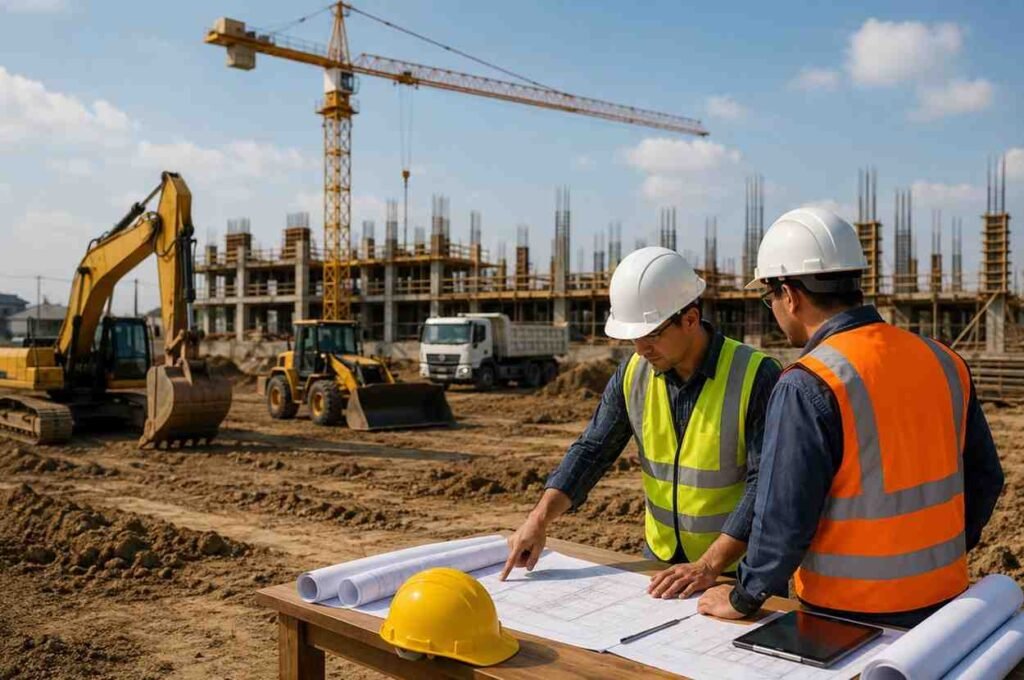

Anyone planning a construction or renovation project eventually reaches the same crossroads: choosing the right building materials. At first glance, the decision often comes down to budget, appearance, and availability. But years later, those choices can significantly influence how buyers perceive the property and what they’re willing to pay for it.
A home’s resale value isn’t determined solely by its location or square footage. Material quality, durability, maintenance requirements, and overall performance play a major role in shaping long-term property value. Some decisions save money upfront but create expensive problems down the road, while others quietly contribute to stronger buyer confidence and a better return on investment.
Why Building Material Choices Matter Beyond Construction?
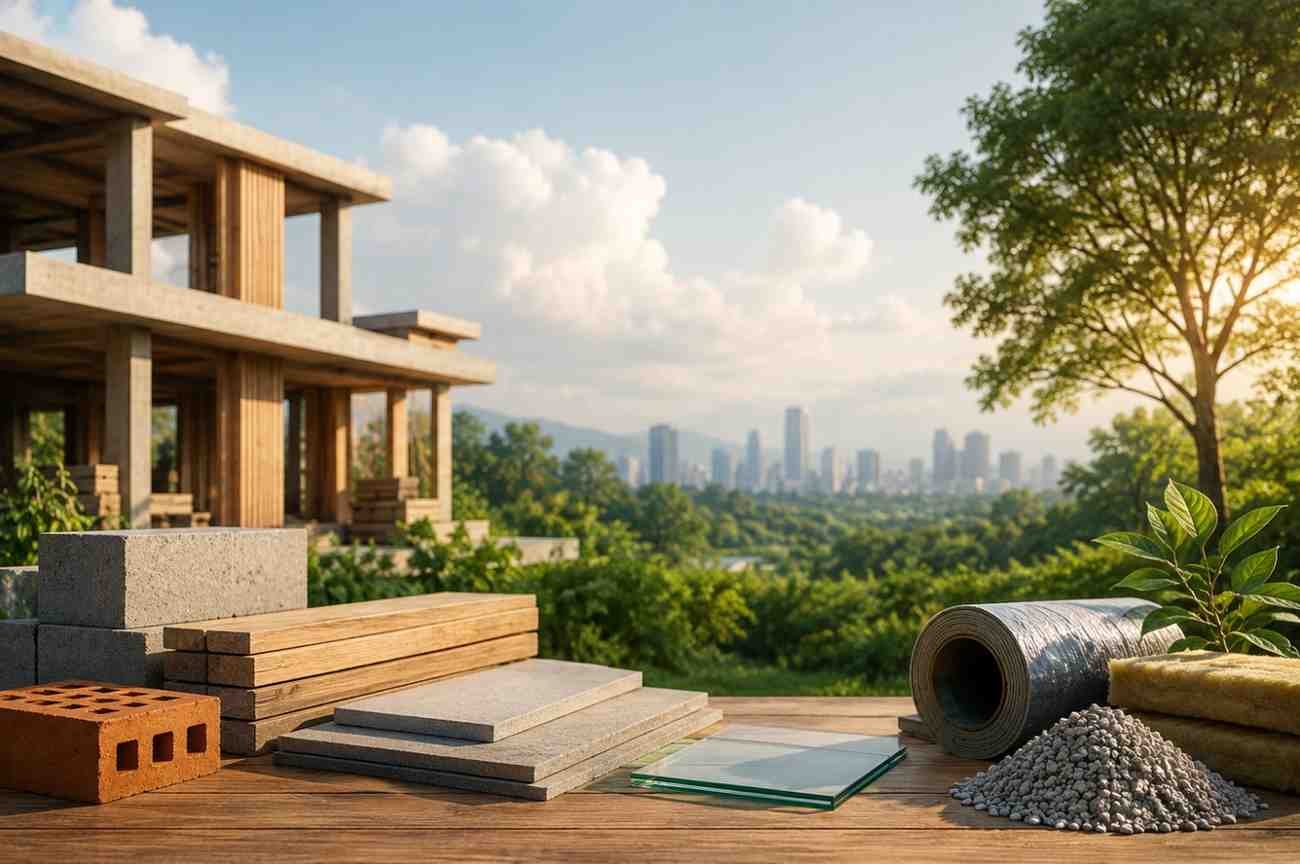
Building materials affect far more than the construction phase. They influence how a property ages, how much upkeep it requires, and how attractive it appears to future buyers.
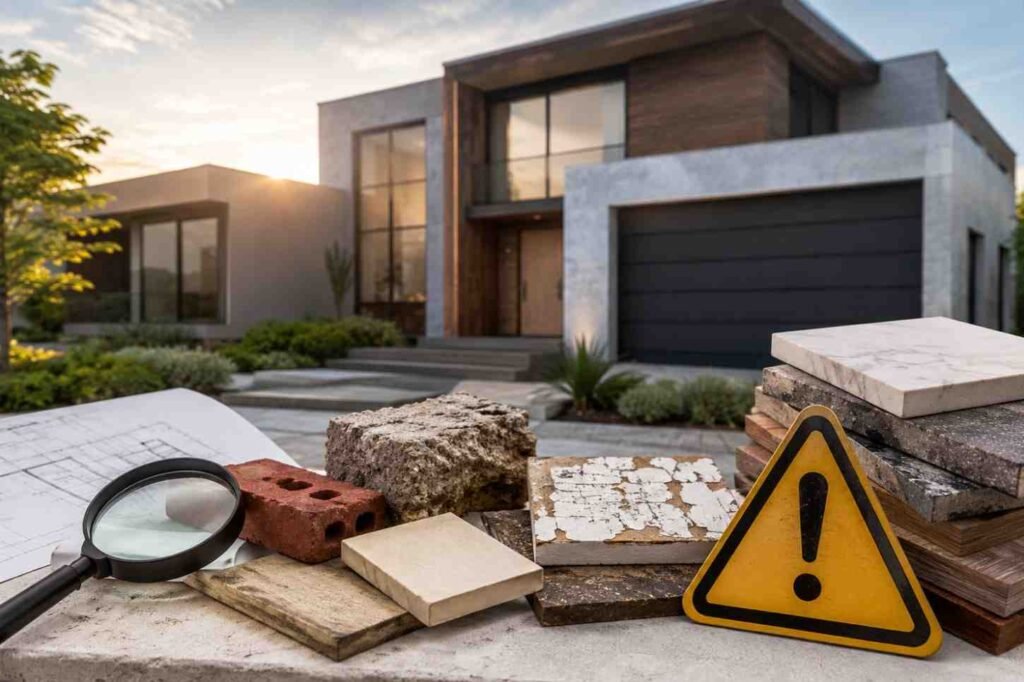
When buyers tour a property, they pay attention to visible signs of wear, structural condition, moisture issues, and overall maintenance. Materials that perform well over time help create a sense of reliability. On the other hand, evidence of deterioration can raise concerns about future repair costs and hidden problems.
The goal isn’t necessarily to choose the most expensive materials available. It’s about selecting materials that balance performance, durability, and long-term value.
Prioritizing Low Upfront Cost Over Quality
One of the most common mistakes to avoid when selecting building materials is focusing solely on the initial purchase price.
Budget constraints are real, but the cheapest option often becomes the most expensive over time. Lower-grade materials may deteriorate faster, require frequent repairs, or need replacement much sooner than expected.
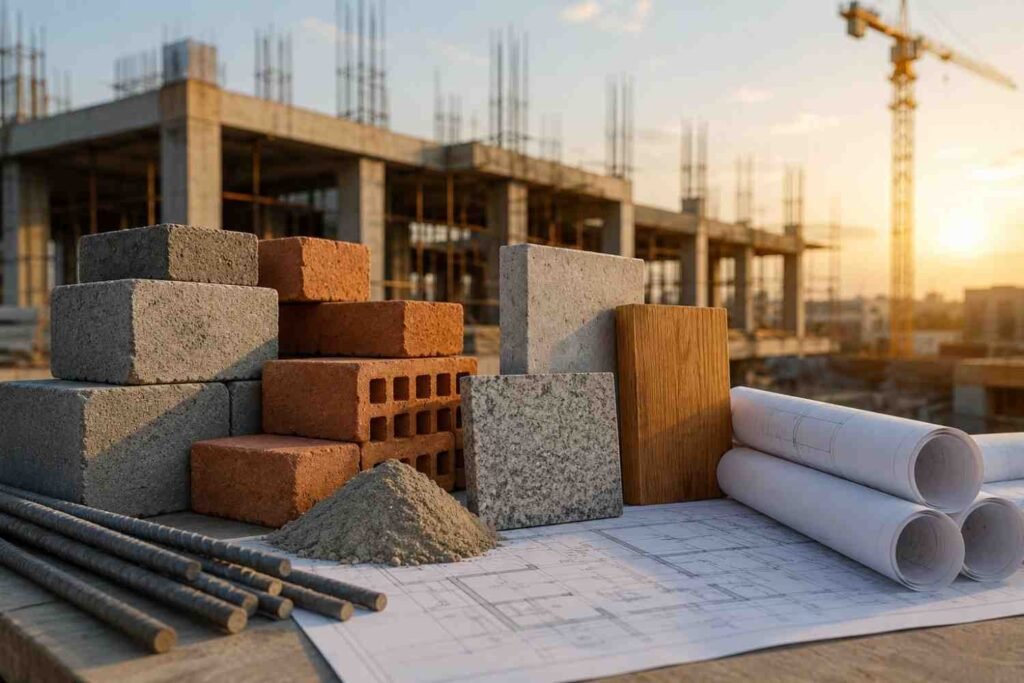
For example, substandard concrete aggregates, poor-quality bricks, or low-grade steel products can contribute to cracking, moisture intrusion, and structural concerns. These issues become highly visible during property inspections and can immediately affect buyer confidence.
A useful way to evaluate materials is through a cost-per-year perspective rather than a purchase-price perspective. Spending slightly more upfront on durable building materials can significantly reduce maintenance expenses and preserve property value over the long term.
Ignoring Local Climate and Environmental Conditions
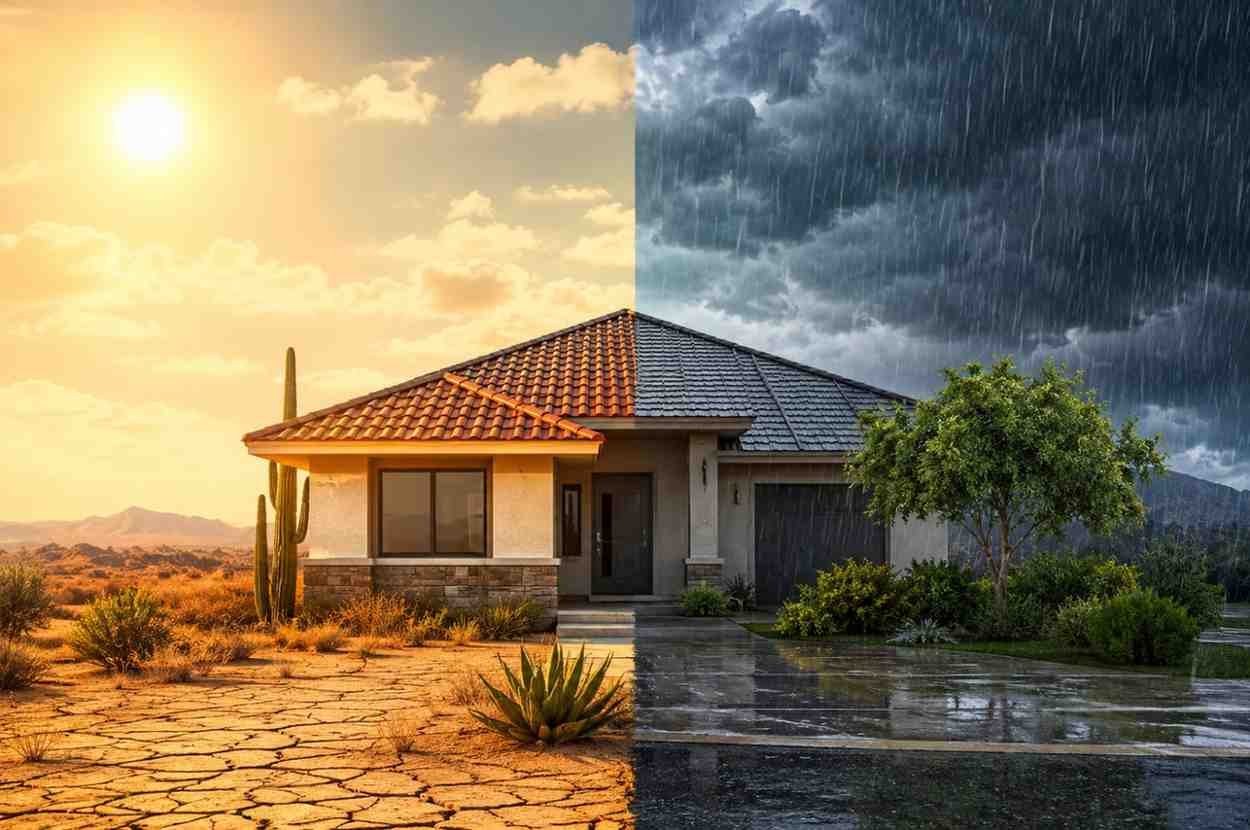
Not every material performs equally in every environment.
A product that works well in a dry region may struggle in areas with heavy rainfall, humidity, extreme temperatures, or coastal exposure. Ignoring climate conditions can accelerate material deterioration and shorten the lifespan of key building components.
Weather-Related Performance Matters
In coastal areas, untreated metal components may experience rapid corrosion due to salt exposure. In humid climates, highly absorbent masonry products can trap moisture, leading to mold growth, staining, and structural degradation.
Similarly, roofing materials, exterior cladding, and siding options should be selected with local weather patterns in mind. Materials that resist moisture, temperature fluctuations, and environmental stress typically maintain their appearance and functionality for much longer.
Future buyers often recognize these issues quickly, especially when signs of water damage or weather-related wear are visible.
Following Trends Instead of Timeless Design
Design trends come and go faster than many homeowners expect.
What feels modern today may look dated within a few years. While it’s tempting to incorporate highly distinctive finishes or unconventional materials, overly personalized choices can narrow the pool of potential buyers later.
Timeless materials generally offer broader appeal because they adapt well to different design preferences. Neutral finishes, classic exterior materials, and durable surfaces tend to age more gracefully and remain attractive to a wider audience.
Buyers often appreciate the flexibility to personalize a home themselves rather than inheriting highly specific design choices that require costly updates.
Overlooking Maintenance Requirements
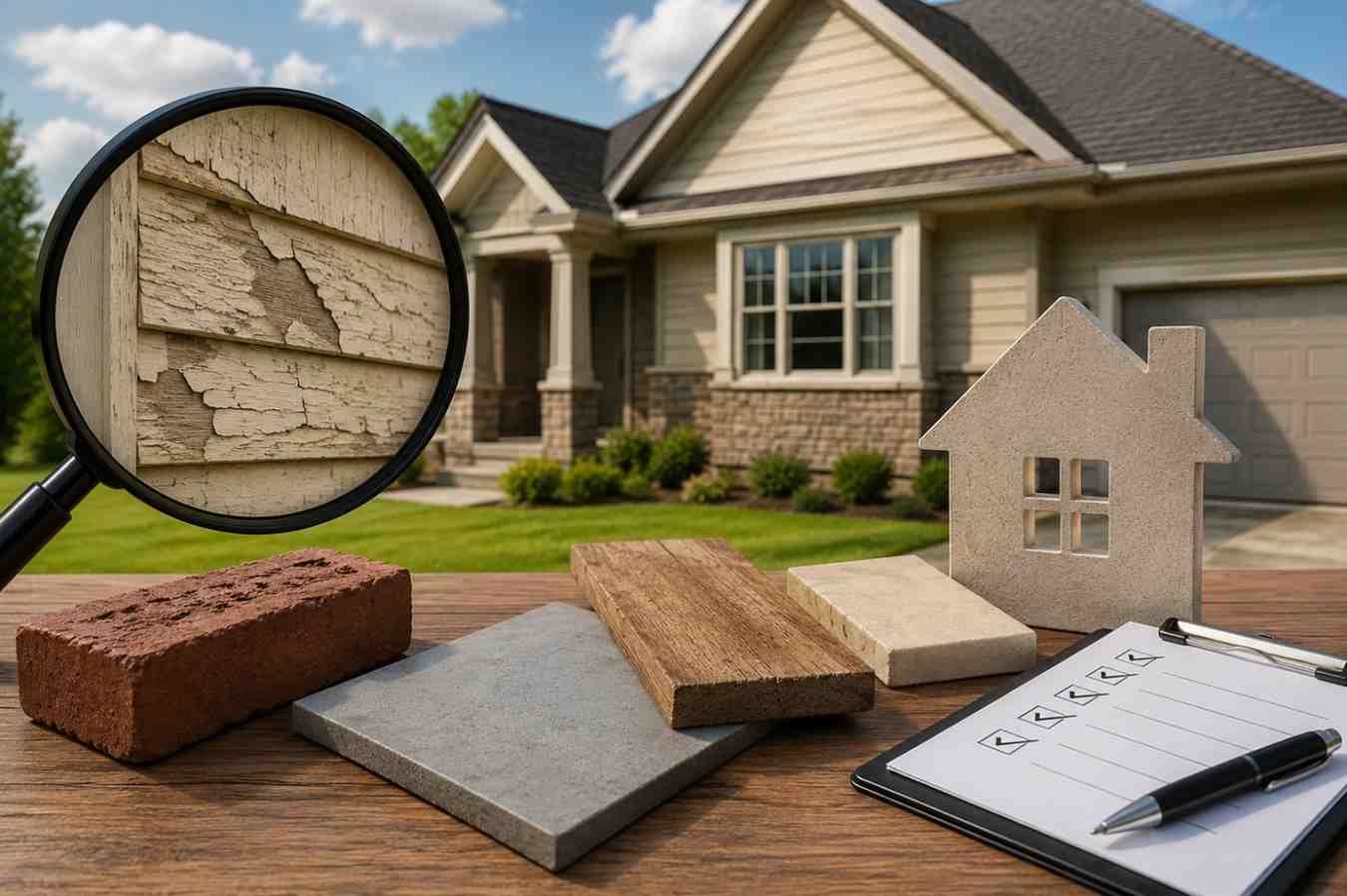
Maintenance is one of the biggest factors influencing long-term ownership costs.
Some materials look impressive when first installed but require ongoing sealing, painting, refinishing, or specialized cleaning. While homeowners may accept these responsibilities initially, future buyers often view them as additional expenses and time commitments.
Many property owners today actively seek building materials that reduce maintenance because they help lower ownership costs while preserving appearance and performance over time.
The Hidden Cost of Upkeep
High-maintenance materials can create recurring expenses that accumulate year after year. Buyers increasingly consider these ongoing costs when evaluating properties.
Low-maintenance alternatives often provide a stronger balance between aesthetics and practicality. They help maintain curb appeal while reducing the likelihood of future repair or replacement concerns.
Underestimating Energy Efficiency
Energy efficiency has become an increasingly important consideration for homebuyers.
Windows, insulation systems, roofing materials, and components that support the building envelope all contribute to overall energy performance. Properties with efficient building materials often experience lower utility costs and improved indoor comfort.
Buyers frequently recognize the value of these benefits because they directly affect monthly expenses.
Selecting materials that improve thermal performance can enhance both day-to-day living and future resale appeal. In many cases, energy-efficient upgrades continue delivering value long after construction is complete.
FAQs: Mistakes to Avoid When Selecting Building Materials That Can Impact Resale Value
1. What is the biggest mistake homeowners make when selecting building materials?
Focusing only on the lowest upfront cost is often the most costly mistake. Lower-quality materials may require frequent repairs, replacement, or maintenance, ultimately reducing resale value.
2. Do building materials really affect home resale value?
Yes. Material quality influences durability, appearance, maintenance requirements, and buyer confidence, all of which can affect a property’s market value.
3. Are trendy materials bad for resale?
Not necessarily, but highly specific or short-lived design trends can limit buyer appeal. Timeless materials generally attract a broader range of potential buyers.
4. Why is climate compatibility important when choosing materials?
Materials that match local environmental conditions typically last longer and perform better. Poor climate compatibility can lead to moisture damage, corrosion, cracking, and premature deterioration.
What Future Buyers Notice Before You Do
Many homeowners think about building materials in terms of today’s project budget, but future buyers view them differently. They look for signs of durability, low maintenance requirements, energy efficiency, and overall construction quality. Every visible crack, stain, repair, or aging surface tells a story about the decisions made during construction. The right materials help create confidence, while the wrong choices can raise concerns that affect offers and negotiations.
The best building material decisions rarely draw attention. They simply help a property age well, maintain its value, and remain attractive long after the construction dust settles.