

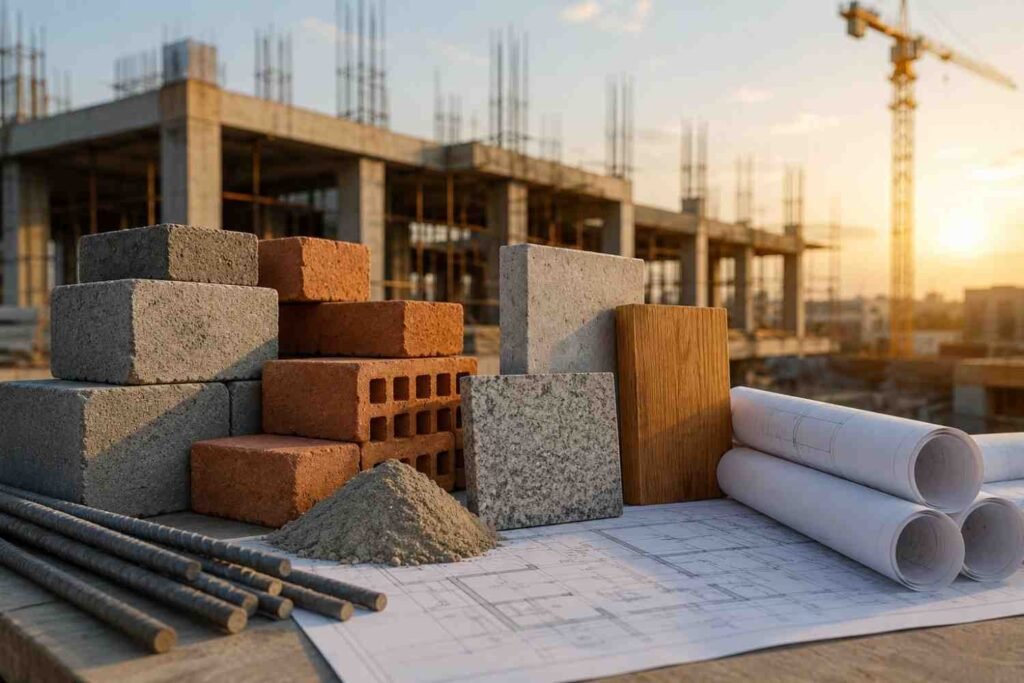
I always look at how fast construction is changing, I see one clear shift: Smart Building Materials Used in Modern Construction are becoming practical choices, not distant ideas.
Builders, architects, and property owners now want materials that improve strength, reduce energy waste, lower maintenance, and make buildings more comfortable over time. Modern projects are judged by how well they perform after people move in, not only by how quickly they are completed.
What Makes a Building Material Smart?
A smart building material responds to heat, light, moisture, pressure, stress, or electrical signals. Unlike traditional materials that perform one fixed job, smart materials can adapt, repair, store energy, change appearance, or help track the condition of a structure.
This matters in homes, offices, schools, healthcare buildings, parking structures, and commercial projects because weather, energy costs, and building codes keep changing.
Why Smart Materials Matter in Modern Construction
The main value of smart materials is long-term performance. A product that reduces cracking, limits heat gain, improves insulation, or lowers cleaning needs can save money long after construction ends.
These materials also support sustainability goals by reducing waste, energy use, and repeated repairs while improving comfort, safety, and property value.
Self-Healing Concrete for Durable Structures
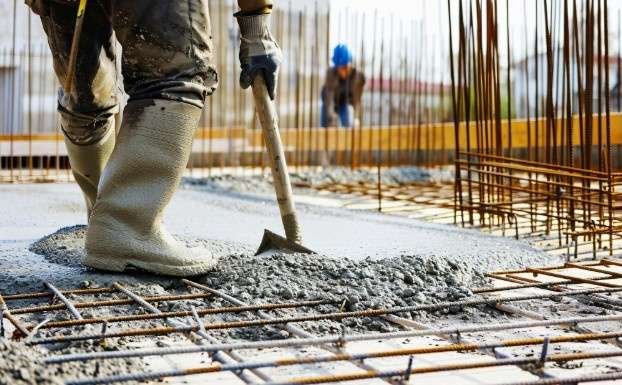
Concrete is strong, but small cracks can appear because of moisture, freeze-thaw cycles, load pressure, or natural movement. If those cracks grow, water can reach reinforcement steel and create expensive damage.
Self-healing concrete closes small cracks before they become major failures. Some systems use bacteria, mineral reactions, capsules, or polymers that activate when moisture enters the crack. This material is useful for foundations, bridges, parking garages, sidewalks, tunnels, and other structures where repairs can be costly.
Smart Glass for Energy Control and Privacy
Smart glass can change tint or transparency when exposed to sunlight, heat, or an electrical signal. This helps control glare, privacy, and indoor temperature.
In offices, hospitals, classrooms, apartments, and modern homes, smart glass can reduce the need for blinds while improving comfort. It can also help lower cooling demand during hot months, making it valuable for energy-focused projects.
Phase-Change Materials for Temperature Balance
Phase-change materials store and release heat as indoor temperatures change. When a room becomes warm, these materials absorb extra heat. When the space cools, they release that stored heat back into the room.
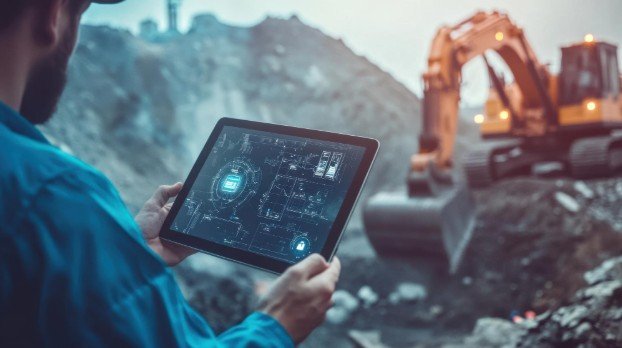
They can be used in wallboards, ceiling panels, floors, insulation layers, and building envelopes. Their biggest benefit is temperature stability, which can support lower HVAC demand and create a more comfortable environment. When paired with equipment tracking technology for construction companies, teams can also manage installation resources more efficiently and reduce delays during material handling.
Aerogels and High-Performance Insulation
Aerogels are lightweight materials known for strong insulation in a thin profile. They are useful when a project needs better thermal performance but does not have room for thick insulation. This makes them helpful in retrofits, tight wall spaces, roofs, facades, and specialty construction.
Self-Cleaning Coatings and Smart Surfaces
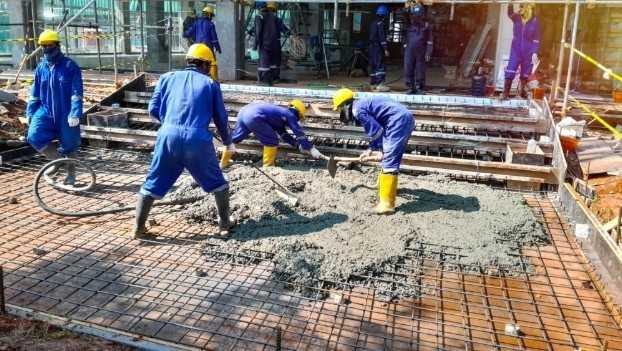
Self-cleaning coatings, paints, and cement-based surfaces resist dirt, break down organic residue, or repel water. Some use sunlight to activate surface reactions, while others use textures that make it harder for grime to stick.
These materials are useful for exterior walls, public buildings, schools, hospitals, transit areas, and commercial facades. They do not remove maintenance completely, but they can reduce cleaning frequency and help buildings look newer for longer.
Solar-Integrated Building Materials
Modern construction is also moving toward materials that generate energy. Solar shingles, photovoltaic glass, and solar facade panels allow the building envelope to produce power while still serving as a roof, window, or exterior surface. This helps when traditional solar panels do not fit the design or available roof area.
Shape Memory Alloys, Piezoelectric Materials, and Sensors
Some smart materials are designed for movement, monitoring, and energy capture. Shape memory alloys can return to a previous form after bending or stress, which makes them useful in adaptive systems and seismic-resistant design.
Piezoelectric materials can generate small amounts of electricity when pressure or vibration is applied. Sensor-based materials can help detect cracks, stress, moisture, or movement before visible damage appears.
Bio-Based and Low-Carbon Materials
Smart construction is also about reducing environmental impact. Green concrete, low-carbon cement, biochar cladding, mycelium panels, translucent wood, and recycled composites are gaining attention because they can lower embodied carbon and support healthier interiors.
Some of these materials are still developing, but they show where construction is heading. The future is not only stronger and more efficient; it is cleaner, lighter, and more resource-conscious.
How Builders Can Choose the Right Smart Material
The best smart material depends on the project’s biggest challenge. A hot climate may call for smart glass, reflective coatings, or phase-change materials. A high-maintenance structure may benefit from self-healing concrete or self-cleaning surfaces. A tight retrofit may need aerogel insulation.
A sustainability-focused project may prioritize low-carbon concrete, bio-based panels, or solar-integrated roofing. The smartest choice is the material that solves a real performance problem, fits the budget, meets code expectations, and delivers value over the life of the building.
Frequently Asked Questions
1. What are Smart Building Materials Used in Modern Construction?
They are advanced materials that respond to heat, light, moisture, pressure, or damage to improve building performance.
2. Are smart building materials worth the cost?
Yes, many can reduce energy use, repairs, cleaning needs, and long-term maintenance expenses.
3. Which smart material helps save the most energy?
Smart glass, phase-change materials, aerogels, and solar-integrated surfaces are strong choices for energy-focused projects.
4. Can these materials be used in homes?
Yes, homeowners can use smart glass, solar shingles, advanced insulation, low-carbon concrete, and self-cleaning coatings.
Final Takeaways
I believe the future of construction belongs to materials that do more than sit inside a building. Smart Building Materials Used in Modern Construction help structures react, conserve energy, reduce damage, and stay useful for longer.
The best approach is to choose materials based on the project’s real needs, not just trends. When the right smart material is used in the right place, a building becomes stronger, cleaner, more efficient, and easier to maintain for years.