


I know how difficult it can be for small contractors to prepare accurate estimates while also managing clients, crews, materials, schedules, and jobsite problems. One small mistake in pricing can reduce profit, delay a project, or make a bid look less professional. That is why Construction Estimating Software for Small Contractors has become a practical tool for builders, remodelers, trade professionals, and growing construction teams that want faster and cleaner estimates.
The right estimating platform helps contractors move away from scattered spreadsheets, handwritten notes, and repeated manual calculations. It brings takeoffs, labor costs, material pricing, proposals, markups, and revisions into one organized system. More importantly, it helps small businesses bid with confidence instead of guessing their way through every project.
Why Small Contractors Need Estimating Software
Small contractors often work with limited office support. In many cases, the owner is also the estimator, project manager, client contact, and problem solver. That makes estimating accuracy even more important. When estimates are slow or unclear, contractors may lose jobs to faster competitors. When estimates are too low, the project can become stressful before work even begins.
Estimating software helps solve this problem by creating a more reliable process. Instead of starting every bid from zero, contractors can use saved templates, standard cost items, labor rates, material lists, and previous project data. This saves time and makes pricing more consistent across similar jobs.
It also helps create better client communication. A clear proposal with organized costs, scope details, exclusions, and payment terms looks more professional than a rough spreadsheet. Clients are more likely to trust a contractor who presents a clean and detailed estimate.
Key Features to Look For

Digital Takeoff Tools
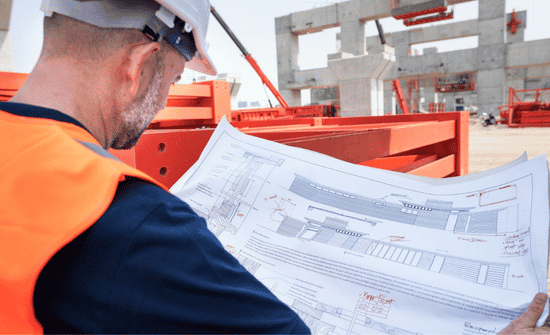
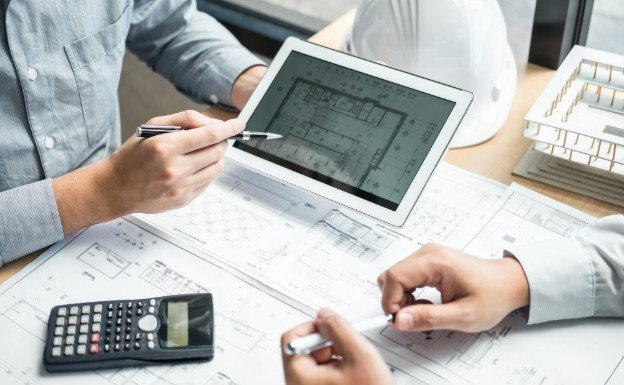
Digital takeoff is one of the most useful features for small contractors. It allows users to upload plans, measure areas, count items, and calculate quantities directly from drawings. This is helpful for flooring, roofing, painting, drywall, concrete, framing, electrical, plumbing, and renovation work.
Manual takeoff can be slow and easy to misread. Digital tools reduce missed measurements and help contractors update quantities when plans change. This is especially useful when a client asks for revisions before approving the final quote.
Cost Databases and Pricing Control
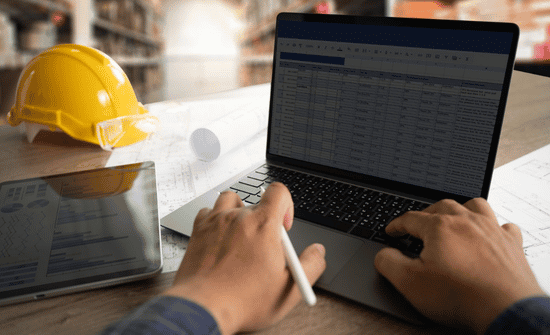
A good estimating software should make it easy to manage material costs, labor rates, subcontractor charges, equipment expenses, overhead, and markup. Since prices can change quickly, contractors need a simple way to update cost items.
Cost databases help prevent underpricing. They also make estimates more consistent because the same labor and material standards can be reused across multiple projects. For small teams, this creates a more organized pricing system without needing a dedicated estimating department.
Templates for Repeat Projects
Many contractors handle similar jobs again and again. Remodelers may repeat bathroom, kitchen, basement, or deck estimates. Trade contractors may use similar labor formulas, assemblies, and material groups. Templates make these repeat jobs much faster to price.
Templates also reduce the chance of forgetting small but important items, such as fasteners, disposal fees, permits, delivery charges, protection materials, cleanup, rentals, and contingency costs.
Professional Proposal Creation
An estimate is not just an internal calculation. It is also a sales document. Good software should turn numbers into a clean proposal that clients can understand. The proposal should include scope, pricing, terms, optional upgrades, exclusions, and approval details.
A professional proposal can help small contractors stand out. It shows that the business is organized, serious, and transparent. This can improve trust before the project begins.
Free vs Paid Estimating Software
Free tools and spreadsheets can be useful for beginners or very small jobs. They are simple, familiar, and low-cost. However, they often become limited when projects involve multiple trades, plan revisions, detailed takeoffs, material updates, or client-ready proposals.
Paid estimating software becomes more valuable when the business needs speed, accuracy, and repeatable systems. It can reduce manual work, prevent costly mistakes, and help contractors send estimates faster. The best choice is not always the most expensive platform. Small contractors should choose software that fits their workflow, budget, and project type.
A simple paid tool with takeoff, templates, pricing control, and proposal features may be better than a complicated system designed for large companies.
Best Software Fit by Contractor Type

General Contractors
Small general contractors usually need estimating software that handles multiple cost categories, subcontractor pricing, change orders, client proposals, and budget tracking. They should look for tools that connect estimating with project management or accounting workflows.
Remodelers
Remodelers need flexible templates, proposal customization, selection options, and revision tracking. Since remodeling projects often change after client discussions, the software should make it easy to update scope and pricing.
Trade Contractors
Electricians, plumbers, painters, roofers, drywall contractors, and flooring professionals often need fast quantity takeoff and labor calculations. A trade contractor should choose software that supports assemblies, unit pricing, and repeatable job templates.
Small Builders
Small home builders may need estimating software that connects early bids with budgets, purchase planning, and job costing. This helps them compare estimated costs with actual project expenses.
Why Integrations Matter
Estimating software becomes more powerful when it connects with accounting and project tools. Integrations with platforms such as QuickBooks or similar systems can reduce duplicate data entry and keep project numbers organized.
Without integrations, contractors may need to copy the same information into invoices, budgets, purchase orders, and reports. This creates extra work and increases the risk of mistakes. A connected system makes it easier to move from estimate to approved project.
The Role of AI in Estimating
AI is becoming more common in estimating tools. Some platforms can read plan files, identify quantities, suggest line items, and speed up early takeoff work. This can help small contractors who do not have a full-time estimator.
However, AI should support the contractor, not replace professional judgment. Every estimate still needs human review. Site conditions, labor availability, local pricing, access issues, code requirements, and project risk must be checked carefully. The best results come from combining technology with real construction experience.
Frequently Asked Questions
1. What is Construction Estimating Software for Small Contractors?
It is a tool that helps small construction businesses calculate labor, materials, equipment, markup, takeoffs, and proposals more accurately.
2. Is estimating software better than spreadsheets?
Yes, estimating software is usually better for detailed projects because it improves accuracy, saves time, supports revisions, and creates professional proposals.
3. What features should small contractors look for first?
Small contractors should look for digital takeoff, reusable templates, cost databases, proposal creation, cloud access, and accounting integration.
4. Is paid estimating software worth it?
Yes, it can be worth it if it saves time, reduces bid mistakes, improves client proposals, and helps protect profit margins.
Final Takeaways
I believe the right estimating tool can make a small contracting business look more professional and operate with more control. It helps turn rough numbers into accurate bids, reduces the stress of manual calculations, and gives contractors a better way to manage pricing before the job starts.
For growing crews, every estimate matters. Construction Estimating Software for Small Contractors is not just about sending quotes faster. It is about protecting profit, improving client trust, and building a smarter process for every project.