



The worst leaks are not always the ones dripping onto the floor. The real trouble often hides behind drywall, under flooring, inside cabinets, or above ceiling panels. I look for the signs of hidden water damage in a house before the damage turns into mold, warped materials, or expensive repairs.
A small stain, musty smell, or soft patch may seem harmless. I never treat those clues as decoration. Water leaves a trail, and your home usually shows it before the repair bill gets ugly.
Why Hidden Water Damage Should Never Be Ignored
Water damage does not need a dramatic flood to create problems. A slow roof leak, cracked supply line, leaking toilet seal, faulty appliance hose, or poor basement drainage can quietly soak building materials for days.
The CDC recommends drying wet areas quickly, ideally within 24 to 48 hours after water exposure, because mold can grow fast when moisture stays trapped. EPA guidance also makes one thing clear: mold control starts with moisture control.
That is why I check early warning signs in groups. One stain may be old. A stain plus a musty smell plus soft drywall tells a different story.
Wall and Ceiling Signs That Point to Trapped Moisture
Walls and ceilings often show the first visible clues because water travels downward and sideways through framing, insulation, and drywall paper.
Stains That Spread or Change Shape
Yellow, brown, copper, or dark stains are common signs of hidden water damage in a house. I pay close attention to stains with uneven edges, ring shapes, or darker centers. Those marks often mean water has soaked through and dried more than once.
A ceiling stain below a bathroom, attic, roof valley, or HVAC line deserves quick attention. If the stain grows after rain or after someone showers upstairs, the source is probably active.
Bubbling Paint, Peeling Wallpaper, and Soft Drywall
Paint bubbles when moisture breaks the bond between the wall surface and the coating. Wallpaper may wrinkle, loosen at the seams, or peel from the corners.
The touch test helps here. I press gently near the damaged area, not hard enough to break the surface. Drywall that feels soft, spongy, swollen, or crumbly has likely absorbed moisture. If the wall also smells musty, I treat it as a serious warning.
White Powder on Masonry or Basement Walls
White chalky powder on brick, block, concrete, or stone is called efflorescence. It appears when water moves through masonry and leaves mineral salts behind after evaporation.
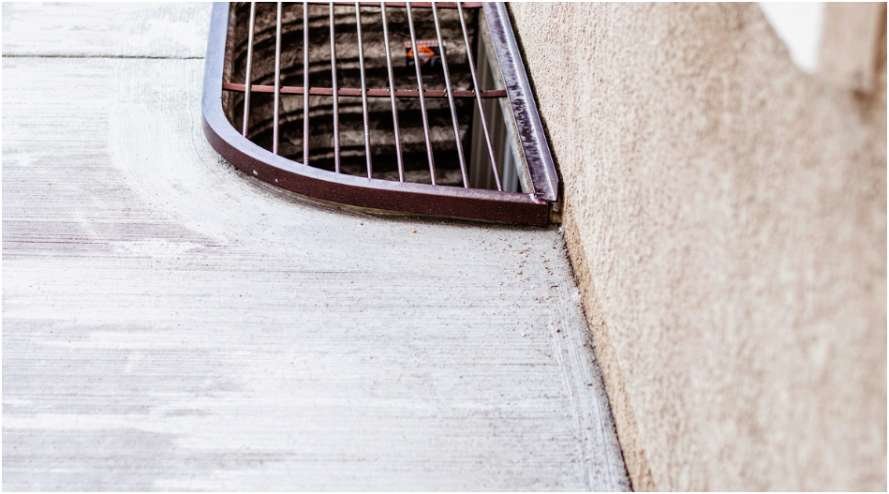
Efflorescence itself is not mold, but it means moisture has been passing through the material. In basements, it often points to drainage issues, foundation seepage, or poor exterior grading.
Flooring Clues That Often Reveal Leaks First
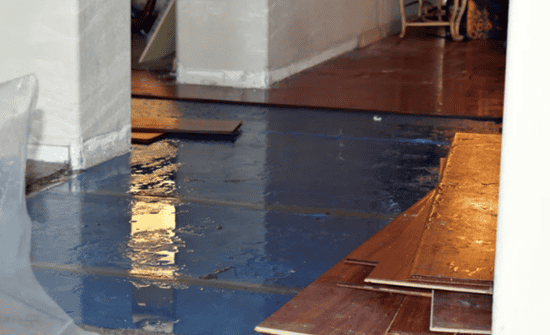
Floors hide water well. By the time damage becomes obvious, moisture may already be under the finished surface.
Cupping Hardwood and Buckling Planks
Hardwood reacts quickly to moisture. Cupping happens when board edges rise higher than the center. Buckling looks more dramatic, with boards lifting or separating from the subfloor.
I always check near dishwashers, refrigerators with water lines, exterior doors, bathrooms, laundry rooms, and sliding glass doors. These areas see more leaks, spills, condensation, and failed seals.
Loose Tile, Lifted Vinyl, and Damp Carpet
Tile does not usually “just come loose.” If several tiles shift, crack, or sound hollow, moisture may have weakened the adhesive or subfloor.
Vinyl can bubble or lift when water gets underneath it. Carpet may feel damp along edges, near walls, or around a single patch. A wet-cardboard smell from carpet usually means moisture has reached the pad below.
Warped Baseboards and Soft Floor Edges
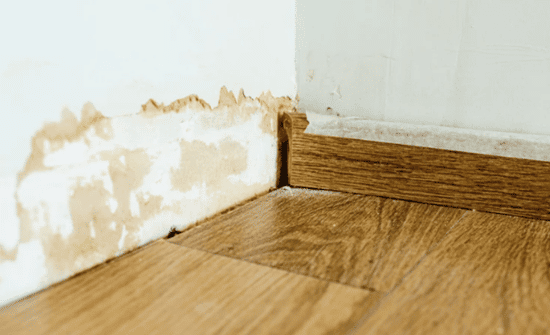
Baseboards are excellent leak tattletales. They may bow, swell, darken, loosen, or pull away from the wall. Caulk lines may crack where the trim meets the wall.
My rule is simple: if the floor edge feels soft and the baseboard looks swollen, the leak has probably been there longer than one day.
Smells, Mold, and Indoor Moisture Warnings
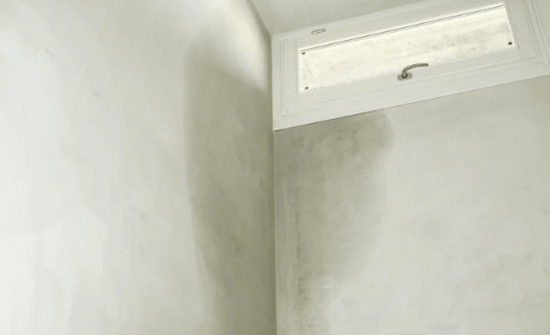
Sometimes your nose finds the issue before your eyes do.
The Musty Odor Test I Use First
A musty odor smells like wet cardboard, old towels, damp wood, or mildew. I notice it most when opening a closet, cabinet, crawl space hatch, basement door, or room that has been closed for several hours.
If the smell is strongest near one wall, one cabinet, or one corner, I narrow my inspection there. For below-grade odors, I also check related moisture problems and resources like basements and know how to stop musty smells in the basement.
Mold Specks in Corners, Cabinets, and Seams
Mold may appear as black, green, gray, or white specks. I look inside sink cabinets, behind toilets, around tubs, near window trim, along drywall seams, and behind furniture placed against exterior walls.
Visible mold is not only a cleaning issue. It usually means moisture is feeding it. Cleaning without fixing the water source only resets the clock.
Window Condensation That Keeps Coming Back
A little condensation during extreme weather can happen. Persistent fogging, wet sills, or water running down interior glass suggests high indoor humidity, poor ventilation, cold surfaces, or hidden moisture.
EPA recommends reducing humidity with ventilation, exhaust fans, air conditioning, or dehumidifiers when needed. If condensation appears in multiple rooms, I check bathrooms, laundry areas, crawl spaces, and basement moisture first.
Plumbing and Utility Signs You Should Check
Some of the best signs do not appear on walls at all. They show up in your bills, water pressure, and background sounds.
Higher Water Bills Without Higher Usage
A sudden water bill spike can point to a hidden leak. I compare the current bill with the same month last year, not just last month. Seasonal irrigation, guests, and laundry changes can affect usage.
If nothing changed and the bill jumped, I inspect toilets, water heaters, outdoor spigots, irrigation lines, crawl spaces, and slab areas.
Low Water Pressure or Running Water Sounds
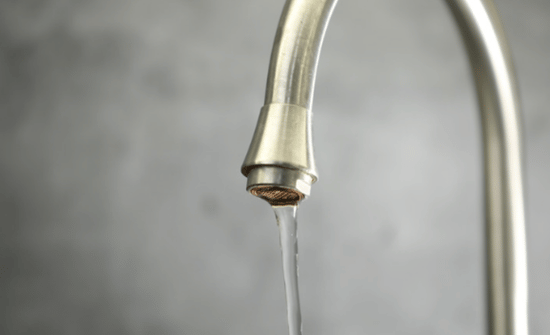
A drop in water pressure may point to a supply line issue, especially when it affects the whole house. Faint hissing, dripping, or whistling behind walls can also signal water moving where it should not.
The best time to listen is late at night or early morning when the home is quiet. I turn off appliances, faucets, fans, and the HVAC system for a few minutes before listening.
The Water Meter Check for Hidden Leaks
The water meter test is one of the simplest checks for signs of hidden water damage in a house. Turn off every faucet, toilet, dishwasher, washing machine, ice maker, and sprinkler. Then watch the meter.
If the leak indicator or dial keeps moving, water is still flowing somewhere. That does not tell you the exact location, but it confirms that a leak may be active.
My 10-Minute Hidden Water Damage Check
When I want a fast answer, I use a simple inspection path.
First, I smell closed spaces. Closets, sink cabinets, laundry rooms, basements, and crawl space entries reveal odors fast. Next, I scan ceilings and wall corners for stains, rings, bubbles, or peeling.
Then I check floors with my feet. Soft spots, raised wood edges, loose tiles, and damp carpet edges matter. After that, I inspect baseboards and cabinet bottoms for swelling or dark marks.
Finally, I do the meter check if the signs point to plumbing. This sequence helps me avoid guessing. It also prevents me from tearing open walls before I have enough evidence.
What to Do When You Find a Warning Sign
Do not paint over stains, spray mold, or ignore a musty room. Start by stopping the water source. Shut off the fixture, appliance, or main valve if needed.
Dry the area quickly with airflow and dehumidification. Remove wet rugs, stored boxes, and absorbent items. Take photos before repairs if insurance may be involved. Acting quickly is one of the best ways to prevent small home repairs from getting worse, as prompt moisture control can reduce the risk of mold growth, structural damage, and more costly restoration work later.
Call a licensed plumber for active supply leaks, sewer smells, slab leaks, or unexplained meter movement. Call a qualified restoration professional when moisture has reached drywall, insulation, flooring, or structural wood.
Also, avoid cutting into walls near electrical wiring. Water and electricity do not deserve your confidence.
FAQs About Hidden Water Damage
1. What are the first signs of hidden water damage behind walls?
The first clues are usually stains, bubbling paint, musty smells, soft drywall, or paint that peels without an obvious reason.
2. How do I know if water damage is old or active?
Active damage often grows, feels damp, smells musty, or darkens after rain, showers, appliance use, or plumbing activity.
3. Can hidden water damage cause mold?
Yes, trapped moisture can support mold growth, especially when wet materials are not dried quickly.
4. Should I buy a house with hidden water damage?
Only after a professional inspection identifies the source, repair cost, mold risk, and structural impact.
The Sneaky Leak Doesn’t Get the Last Word
Water damage loves quiet corners, closed cabinets, and “I’ll check it later” energy. I do not give it that luxury. The most reliable signs of hidden water damage in a house are rarely dramatic at first, but they are usually consistent.
Look for stains, smells, swelling, soft spots, condensation, strange sounds, and higher bills. Then confirm with a meter check or a professional inspection. Catch it early, dry it fast, and fix the source before your home starts sending louder, pricier messages.