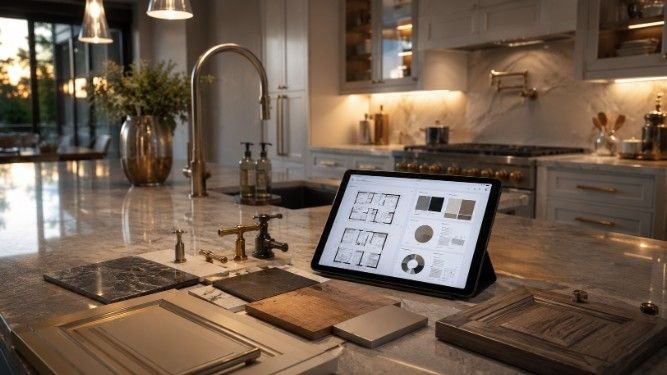




A home does not always need demolition to feel new. I have seen small home improvements that make a big difference change the look, comfort, and function of a room in one weekend. The secret is choosing upgrades people touch, see, and use every day.
Before I spend money, I ask three questions. Do I touch this often? Is it easy to notice? Does it remove a daily annoyance? If the answer is yes, that upgrade usually earns its place.
Why Small Upgrades Can Make a Home Feel Expensive
Small improvements work because they fix friction. A smoother cabinet pull feels better every morning. A warmer bulb makes paint and furniture look richer. Clean grout makes old tile look maintained again.
Large remodels can help, but smaller updates often create faster satisfaction. They cost less, finish sooner, and reduce the chance of surprise repairs. Curb-facing upgrades also matter because buyers, guests, and neighbors notice them before anything else.
The Touch, Visibility, Function Rule
I use a simple scoring method: touch, visibility, and function. A front door scores high because everyone sees it. A builder-grade knob scores high because everyone touches it. A pull-out shelf scores high because it fixes a cabinet you probably dislike opening.
This filter keeps a project focused. It also stops you from buying décor when the real problem is poor lighting, weak storage, or tired finishes.
Lighting Changes That Shift the Whole Mood
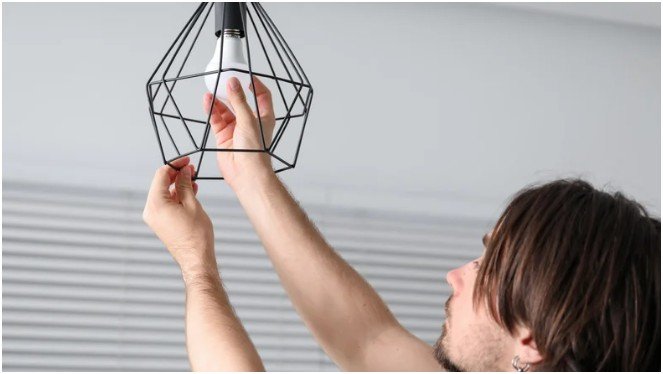
Lighting is often the cheapest way to make a room feel designed. Many rooms do not look dull because the furniture is wrong. They look dull because one overhead fixture is doing all the work.
Layer Warm Light Instead of Relying on One Fixture
I like three light layers: ceiling light for general brightness, lamps for comfort, and accent lighting for depth. Warm LED bulbs usually feel softer than cool, blue-white bulbs in living spaces and bedrooms.
LED upgrades also make sense for efficiency. The U.S. Department of Energy reports that residential LEDs use far less energy and last much longer than incandescent bulbs. That makes lighting one of the rare upgrades that improves comfort and operating cost.
Add Dimmers and Under-Cabinet LEDs
Dimmer switches help one room serve more than one purpose. A kitchen can be bright during prep and calm during dinner. A living room can shift from cleaning mode to movie mode without moving a chair.
Under-cabinet LED strips are another quiet win. They brighten dark counters, make food prep easier, and give older kitchens a cleaner nighttime look. For hardwired lighting, switches, or outlets, I use a qualified electrician and follow local code.
Hardware Swaps That Make Builder-Grade Spaces Look Custom
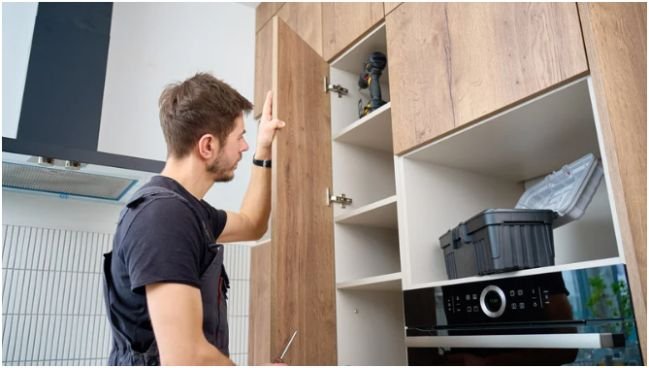
Hardware is the handshake of a house. Cheap knobs, loose pulls, and flimsy handles can make a room feel unfinished even when everything else is clean.
Cabinet Pulls, Door Levers, and Switch Plates
Cabinet hardware can refresh a kitchen or bathroom fast. Matte black, satin nickel, aged brass, and brushed bronze all work when they match the room’s existing finishes. I always measure the old screw spacing before buying pulls.
Interior door levers also change the feel of a hallway. Heavier lever handles look cleaner than basic round knobs. Decorative switch plates help finish the upgrade, especially when old plastic covers have yellowed.
Curtain Rods and House Numbers
Curtain rods can change a room’s proportions. Hanging rods higher and wider makes windows look larger and lets more daylight show when curtains are open.
Modern house numbers are just as useful outside. They sharpen curb appeal and make the home easier to find for guests, delivery drivers, and emergency responders.
Paint and Surface Refreshes With Instant Payoff
Paint is powerful because it covers visual fatigue. It can make a home feel cleaner before you replace a single fixture.
Paint the Front Door or One Strategic Wall
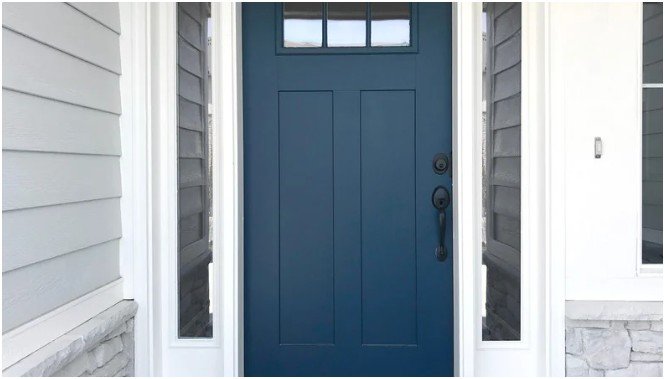
A front door in navy, charcoal, deep green, or rich red can anchor the exterior. I choose a color that contrasts with the siding but still fits the home’s style.
Inside, I prefer one strategic accent wall over painting every room. A wall behind a bed, sofa, or dining space adds depth without overwhelming the house. Renters can use peel-and-stick wallpaper for a similar effect.
Paint selection matters too. The Environmental Protection Agency lists paints and solvents as possible sources of volatile organic compounds, so I choose low-VOC products and ventilate the room well.
Refresh Grout, Mirrors, and Tile Lines
Dirty grout can make a bathroom look older than it is. A grout cleaner or grout pen can brighten tile without replacement. I test a hidden spot first because older grout can react differently.
Mirrors also carry visual weight. A large mirror opposite a window bounces daylight and makes a room feel wider. In a powder room or entry, a shaped mirror can work like affordable wall art.
Storage Fixes That Remove Daily Annoyance
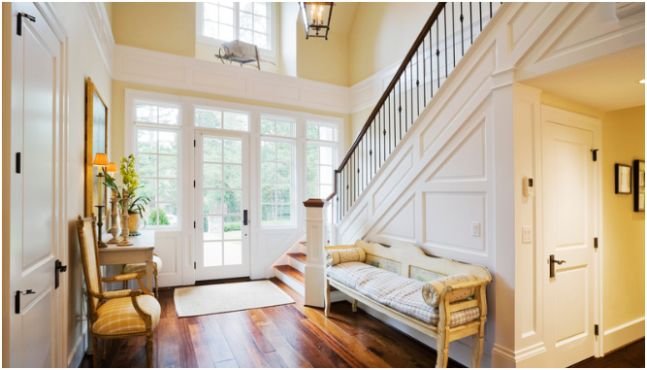
Storage upgrades may not look dramatic online, but they improve real life. That matters more than another decorative tray.
Pull-Out Shelves, Entry Benches, and Better Drop Zones
Deep lower cabinets waste space when items disappear into the back. Pull-out shelves turn that dead zone into storage you can actually use. They work well for pots, cleaning supplies, pantry goods, and small appliances.
An entryway bench with hidden storage can stop clutter at the door. Shoes, keys, bags, and mail need a landing zone. Without one, they take over the kitchen counter.
Better organization can also help you prevent small home repairs from getting worse because clutter often hides leaks, loose hinges, scratches, and moisture issues until they become expensive.
My 90-Minute Upgrade Map
When I want visible change fast, I use a 90-minute upgrade map. I choose one touch item, one visible item, and one function item in the same room.
In a bathroom, that could mean new vanity pulls, a better mirror, and a multi-setting shower head. In an entryway, it could mean fresh house numbers, wall hooks, and a storage bench. In a kitchen, it could mean under-cabinet lights, cabinet pulls, and one pull-out shelf.
This works because the room feels complete without starting a full renovation. The best small home improvements that make a big difference are not random purchases. They are grouped around how you actually live.
FAQs
1. What are the best budget home upgrades under $100?
New cabinet pulls, warm LED bulbs, switch plates, grout pens, house numbers, and shower heads can create quick impact.
2. Which room should I improve first?
Start with the room you use most or the area guests see first, such as the kitchen, bathroom, entryway, or living room.
3. Do small upgrades increase home value?
They can improve perceived value when they make the home look cleaner, newer, safer, and better maintained.
4. Are small home improvements that make a big difference renter-friendly?
Yes, removable wallpaper, plug-in lighting, tension rods, peel-and-stick hooks, and portable storage upgrades work well for renters.
The Glow-Up Your House Was Waiting For
I like small upgrades because they respect real budgets and real weekends. Not every home needs dust, permits, and a renovation crew to feel better.
Start with the thing you touch, see, or complain about most. Fix that first. Then move to the next small annoyance. That is how a home starts looking sharper without acting like it needs a reality-show makeover.