

Bathroom remodeling often starts with excitement and ends with questions about costs. After discussing renovation plans with homeowners and contractors, one concern always comes up first: how much does it cost to remodel a bathroom?
The answer depends on size, materials, labor, and project scope. Understanding the numbers before demolition begins can help you create a realistic budget, avoid costly surprises, and make smarter renovation decisions from day one.
Key Takeaways
- A typical bathroom remodel costs between $7,000 and $20,000.
- Labor often accounts for 40% to 65% of total expenses.
- Moving plumbing fixtures can significantly increase costs.
- Bathroom size and material choices greatly affect the budget.
- Careful planning reduces delays, surprises, and overspending.
Average Bathroom Remodel Cost
Knowing the national averages creates a realistic starting point. Most bathroom remodels cost between $7,000 and $20,000, with the national average landing around $16,500. Smaller projects can be completed for less, while luxury renovations often exceed $40,000.
The final investment depends on the bathroom’s size, the quality of materials selected, and the amount of labor required. Premium upgrades and custom features can quickly increase the overall budget.
Half Bath Cost
Smaller bathrooms generally require fewer materials and labor hours. A half bath or powder room typically costs between $3,000 and $10,000. These projects usually include fresh paint, new fixtures, updated lighting, and a replacement vanity.
Because plumbing changes are minimal, powder room renovations remain one of the most affordable home improvement projects.
Standard Bathroom Cost
Guest bathrooms fall into the most common remodeling category. A standard bathroom remodel usually ranges from $7,000 to $20,000. Homeowners often replace flooring, vanities, bathtubs, showers, and fixtures while keeping the existing layout intact.
Costs increase when custom tile work, upgraded plumbing fixtures, or higher-end finishes are introduced into the project.
Primary Bathroom Cost
Larger spaces naturally require larger budgets. Primary bathroom renovations generally start around $20,000 and can exceed $50,000. Double vanities, walk-in showers, luxury finishes, and expanded square footage contribute to the higher investment.
Many homeowners also incorporate storage upgrades and spa-inspired features that further increase overall costs.
What Drives Remodeling Costs?
Several important factors determine the final renovation price.
Bathroom Size And Scope

The size of the space directly impacts labor and materials. Most mid-range renovations cost approximately $180 to $350 per square foot. A simple cosmetic refresh is usually more affordable because major systems remain untouched.
A full-gut renovation requires extensive demolition, rebuilding, and replacement work, making it one of the most expensive remodeling approaches.
Labor Expenses
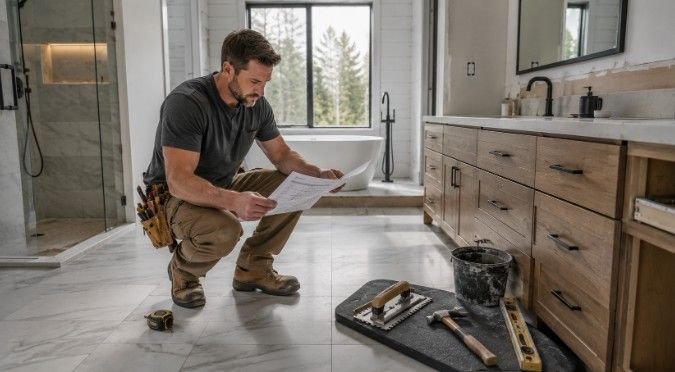
Professional labor represents a significant portion of the budget. Plumbers, electricians, tile installers, carpenters, and painters all contribute to project costs. Labor alone often accounts for 40% to 65% of total remodeling expenses.
Experienced professionals may charge more upfront, but quality workmanship can help prevent expensive repairs later.
Material Selection
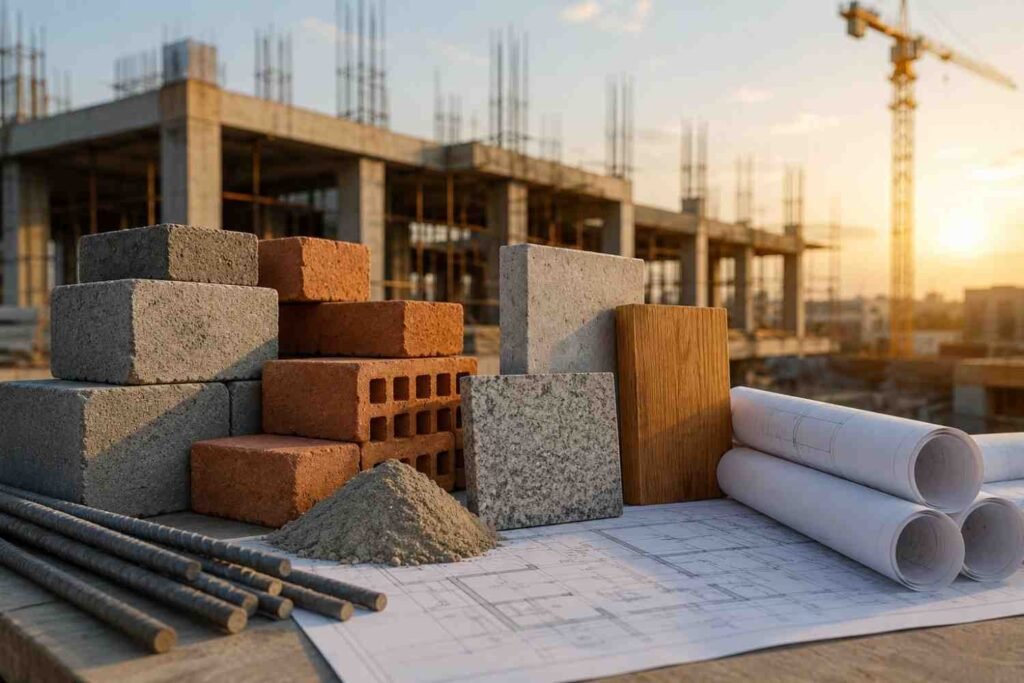
Your finish choices can dramatically influence the final price. Budget-friendly ceramic tile and stock vanities help control costs. Premium stone surfaces, custom cabinetry, designer fixtures, and luxury flooring significantly increase renovation expenses. Finding the right balance between style and affordability is often the key to staying on budget.
The Cost Of Moving Plumbing
Changing the layout can transform the bathroom but also the budget.
Relocating Fixtures
Moving plumbing lines requires specialized labor and planning. Relocating toilets, sinks, or showers often adds between $3,000 and $10,000 to the project. Contractors must modify water supply lines, drains, and sometimes structural elements. Keeping fixtures in their current locations remains one of the most effective ways to save money.
Hidden Construction Work
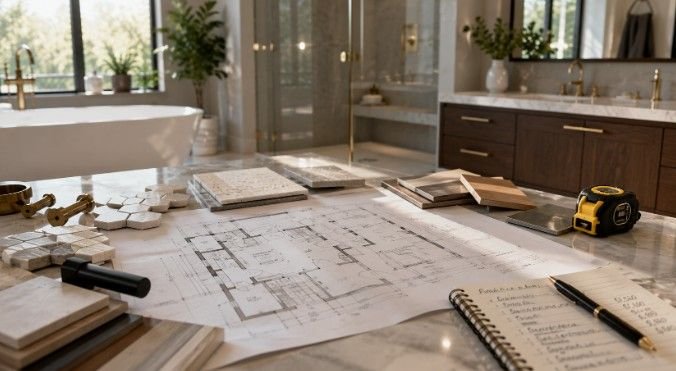
Layout changes often reveal additional challenges. Opening walls and floors can uncover outdated pipes, water damage, or code violations. These discoveries can increase both costs and project timelines. Homeowners should always reserve for contingency provisions for unexpected construction issues.
Remodel Timeline Expectations
Budget planning should always include scheduling considerations.
Cosmetic Refresh
Minor updates can be completed quickly. Projects involving paint, fixtures, mirrors, and basic upgrades typically take one to two weeks. These renovations cause minimal disruption and require less labor. Careful planning before work begins helps keep the project moving efficiently.
Standard Renovation
Most homeowners fall into this category. A standard remodel with the same layout generally takes three to four weeks. This timeframe allows contractors to complete demolition, installation, plumbing work, and finishing details. Material availability can sometimes affect completion dates.
Full-Gut Renovation
Major transformations require additional time. A complete renovation involving structural changes or layout modifications often takes five to eight weeks or longer. Larger projects require more coordination between trades and inspections. Allowing extra time in the schedule can help reduce stress if unexpected issues arise.
How Much Does It Cost To Remodel A Bathroom Step By Step?
A structured approach makes budgeting easier and more accurate.
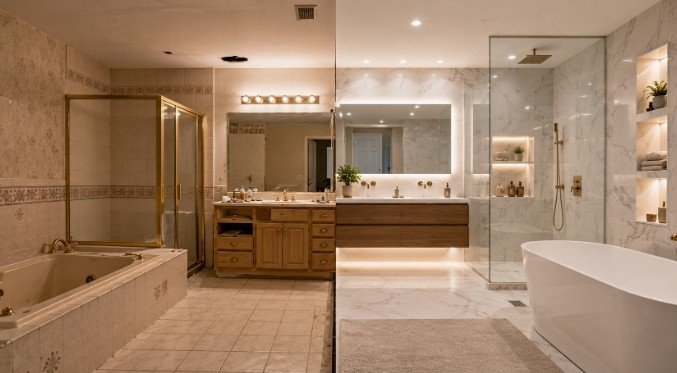
Start by determining how much you can comfortably invest in the renovation. Research average bathroom remodeling costs in your area and establish a realistic spending range based on project goals.
Next, decide whether you want a cosmetic update, a mid-range remodel, or a luxury renovation. This decision will influence labor, materials, and timeline expectations from the beginning.
Finally, gather multiple contractor estimates, compare material options, and reserve at least 10% to 20% of your budget for unexpected expenses. Following this process provides a clearer picture of how much does it cost to remodel a bathroom before work begins.
Smart Budgeting Tips
Good planning often matters more than a bigger budget as home renovations are tax deductible.
Keep The Existing Layout
Avoiding major plumbing work can generate substantial savings. Leaving toilets, sinks, and showers in their original locations reduces labor costs and simplifies construction. This strategy often delivers the best balance between affordability and visual improvement. Many successful renovations achieve impressive results without moving a single pipe.
Mix Budget And Premium Features
Not every element needs to be high-end. Investing in quality fixtures while choosing affordable flooring or tile can help stretch your budget. Strategic upgrades often create a premium appearance without premium costs. This approach allows homeowners to maximize both value and aesthetics.
Build A Contingency Fund
Unexpected expenses are common during remodeling. Older homes frequently reveal hidden water damage and mold, outdated wiring, or plumbing issues. Setting aside extra funds helps prevent project delays and financial stress. A contingency reserve provides peace of mind throughout construction.
Frequently Asked Questions
1. Can you redo a bathroom for $5000?
Yes. A $5,000 budget can support a basic cosmetic remodel that includes painting, replacing fixtures, updating lighting, and installing an affordable vanity while keeping the existing layout unchanged.
2. What does a $10,000 bathroom remodel look like?
A $10,000 bathroom remodel often includes new flooring, upgraded fixtures, a replacement vanity, improved lighting, and selected tile work without major plumbing relocations or luxury materials.
3. What is a reasonable budget for a small bathroom remodel?
A reasonable small bathroom remodeling budget usually ranges from $5,000 to $15,000, depending on labor rates, material quality, and whether plumbing or structural modifications are required.
4. What is the 30% rule in remodeling?
The 30% rule suggests reserving a significant portion of your remodeling budget for labor, contingencies, and unexpected project expenses to avoid financial strain during construction.
Your Bathroom Budget Starts Here
Understanding how much does it cost to remodel a bathroom is the foundation of every successful renovation project. From bathroom size and labor expenses to plumbing changes and material choices, every decision affects the final investment.
By planning carefully, comparing estimates, and creating a realistic budget, homeowners can confidently answer how much does it cost to remodel a bathroom and complete a renovation that delivers long-term value, comfort, and peace of mind.