

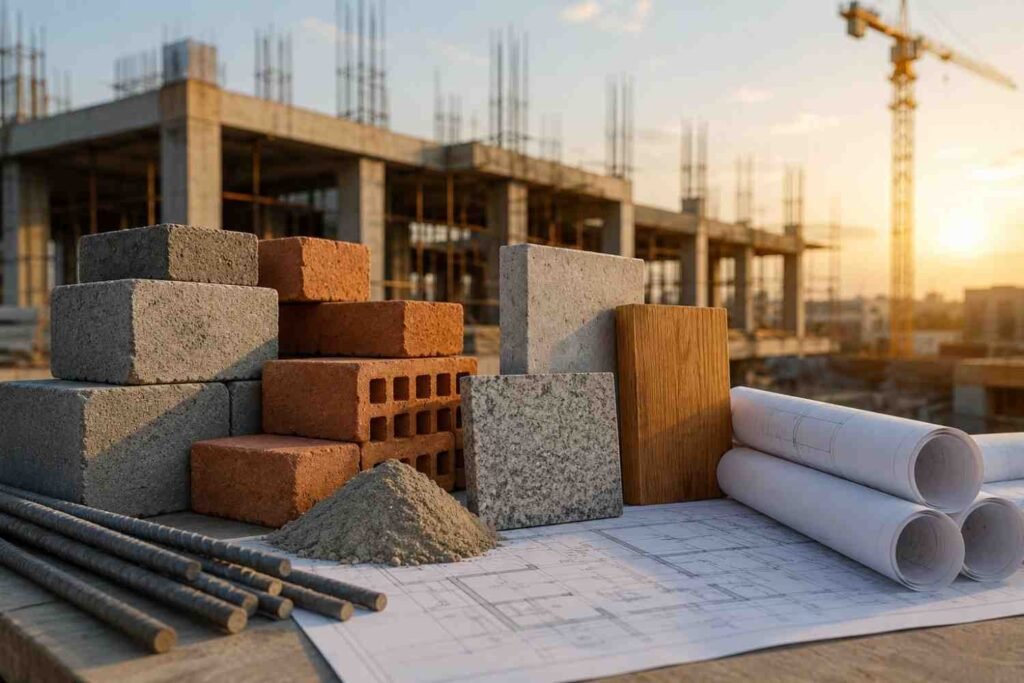
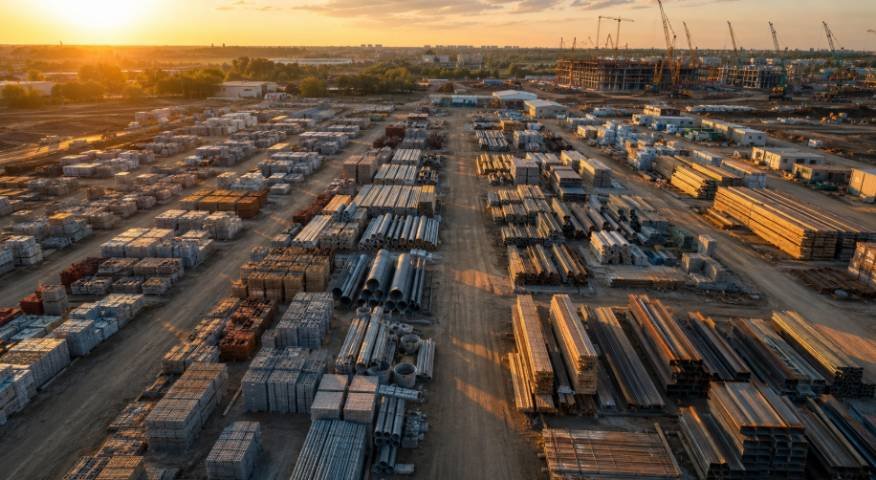
Construction projects have a funny way of turning small mistakes into expensive problems. A missing delivery, damaged inventory, or inaccurate estimate can quickly throw an entire budget off track.
After seeing these challenges repeatedly across job sites, understanding how to manage construction materials becomes one of the most valuable skills for keeping projects organized, profitable, and on schedule.
Material management in construction is the process of planning, sourcing, purchasing, storing, tracking, and distributing materials throughout a project. The goal is simple: ensure the right materials arrive at the right place at the right time while avoiding delays, waste, and unnecessary costs.
Understanding Material Management In Construction
A successful strategy starts with understanding the complete material lifecycle.
Material management in construction involves coordinating every activity related to building materials, from estimating requirements to handling surplus inventory at project completion. Each stage contributes to cost control and project performance.
The process combines procurement planning, inventory management, supplier coordination, logistics tracking, storage organization, and waste reduction. When these elements work together, construction teams can operate more efficiently and avoid costly disruptions.
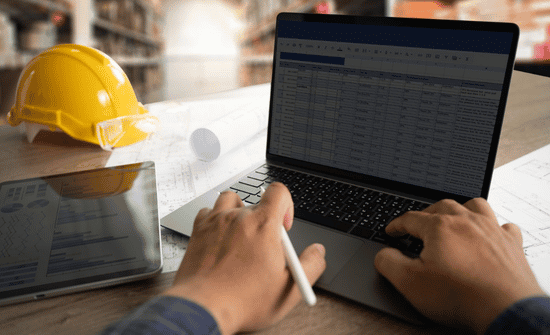
Modern construction firms increasingly rely on digital inventory systems and project management software to gain real-time visibility into material usage and future requirements.
Planning And Estimation First
Good material management begins long before the first shipment arrives. Before purchasing supplies, project managers need a clear cost plan that connects material quantities, labor needs, delivery timing, and overall spending limits.
Anyone planning a new residential project can also benefit from reviewing a detailed building a house budget before estimating construction material costs.
Calculate Material Requirements
Accurate estimation starts with reviewing project drawings, specifications, and schedules. Understanding exact quantities helps eliminate guesswork and creates a realistic budget from the beginning.
Historical project data can improve forecasting accuracy. Comparing similar projects often reveals material usage patterns that help prevent shortages and overordering.
Build A Material Forecast
Forecasting identifies what materials are needed, how much is required, and when each item should arrive. This process aligns purchasing decisions with project timelines and construction phases.
A reliable forecast also helps project managers anticipate price fluctuations and secure materials before costs increase unexpectedly.
Connect Planning With Budget Goals
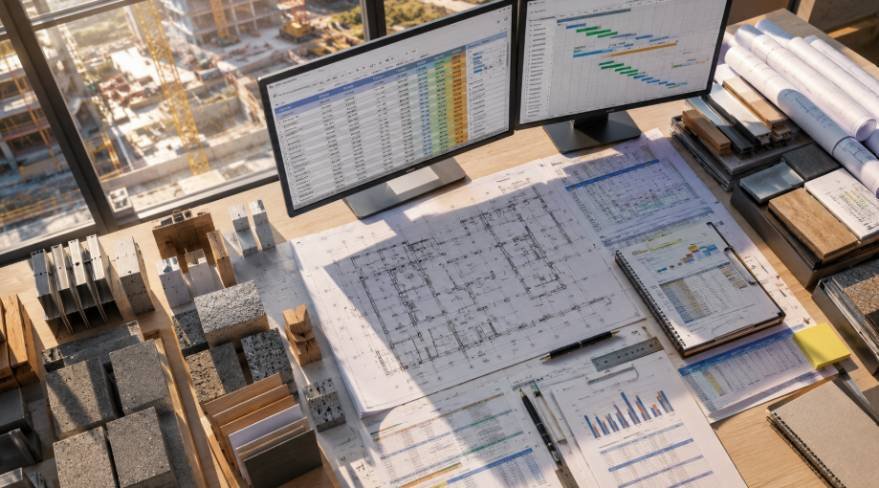
Material planning directly impacts budgeting. Every estimate influences procurement decisions, inventory levels, and cash flow management throughout the project.
Careful planning reduces financial risk while improving resource allocation across multiple project stages.
For homeowners working on remodeling projects, it also helps to understand related cost questions like are home renovations tax deductible before finalizing a renovation budget.
Smarter Procurement Decisions
Procurement plays a major role in controlling construction costs.
Choose Reliable Suppliers
Selecting dependable suppliers goes beyond comparing prices. Vendor reliability, delivery performance, product quality, and responsiveness all affect project success.
Strong supplier relationships often result in better pricing, priority service, and improved communication during unexpected situations.
Compare Costs Strategically
The lowest bid does not always provide the best value. Evaluating transportation costs, lead times, quality standards, and warranty coverage helps identify the most cost-effective option. Strategic purchasing decisions protect budgets while maintaining construction quality.
Lock In Prices Early
Material prices can change quickly due to supply chain conditions and market demand. Securing pricing agreements early helps stabilize budgets and reduce financial uncertainty.
Long-term supplier agreements can provide additional protection against inflation and market volatility.
Keeping Deliveries On Track
Coordinating logistics is essential for maintaining project momentum.
Align Deliveries With Schedules
Materials should arrive when crews need them, not weeks before or days after. Proper scheduling minimizes storage requirements while preventing workflow interruptions. Coordinated deliveries improve efficiency and reduce site congestion.
Monitor Shipments In Real Time
Tracking deliveries provides visibility into transportation progress and potential delays. Early awareness allows project managers to adjust schedules before disruptions occur.
Digital tracking tools make monitoring shipments faster and more accurate than traditional methods.
Avoid Idle Labor Costs
Nothing drains a budget faster than workers waiting for missing materials. Effective logistics planning keeps crews productive and projects moving forward. Timely deliveries support labor efficiency and improve overall project profitability.
Organize Storage Like A Pro
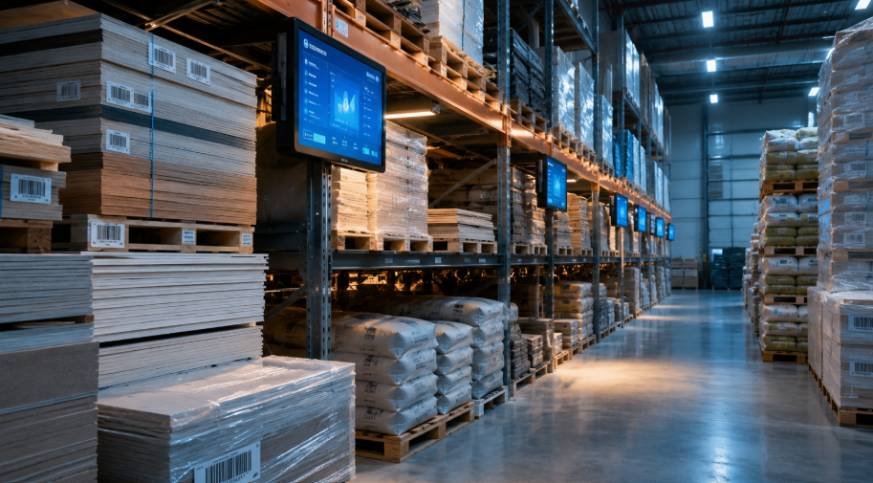
Proper storage protects investments and improves accessibility.
Create Dedicated Storage Zones
Organized storage areas help workers locate materials quickly. Grouping inventory by project phase or material type reduces confusion and saves time. Clear labeling systems improve accountability and inventory visibility.
Protect Materials From Damage
Weather exposure, theft, and improper handling can result in significant financial losses. Secure storage solutions help preserve material quality throughout the project. Preventing damage is often far less expensive than replacing inventory.
Improve Site Safety
Well-organized storage areas reduce workplace hazards and improve operational efficiency. Safe storage practices support compliance while protecting both workers and materials. Efficient organization contributes to smoother daily operations.
Reduce Waste And Control Surplus
Waste management is one of the most overlooked opportunities for cost savings.
Monitor Material Consumption
Tracking usage helps identify inefficiencies before they become expensive problems. Regular reviews reveal whether materials are being used as planned. Accurate consumption data also improves future project forecasting.
Minimize Excess Inventory

Overordering ties up capital and creates storage challenges. Purchasing materials based on realistic demand improves cash flow and reduces waste. Balanced inventory levels support both efficiency and budget control.
Handle Surplus Effectively
Unused materials should be returned, reused, or redistributed whenever possible. Effective surplus management helps recover costs and reduce environmental impact. A clear disposal strategy prevents valuable inventory from going to waste.
How To Manage Construction Materials Successfully
The easiest way to understand how to manage construction materials is to view it as a connected process rather than separate tasks. Start by estimating quantities accurately and developing a detailed forecast. Select dependable suppliers, negotiate pricing, and schedule deliveries according to project milestones.
Once materials arrive, inspect them immediately, organize storage areas, and maintain accurate inventory records. Monitor usage regularly, track deliveries in real time, and review performance metrics throughout the project.
Technology can further improve efficiency through barcode systems, RFID tracking, Building Information Modeling (BIM), and construction management software. These tools provide greater visibility, support better decision-making, and help maintain budget control from start to finish.
Technology That Simplifies Everything
Digital solutions make material management faster and more accurate.
Use Barcode Tracking
Barcode systems allow teams to record deliveries, monitor inventory levels, and track material movement with minimal effort.
This improves accuracy while reducing manual data entry errors.
Explore RFID Solutions
RFID technology provides automated tracking across large construction sites. Materials can be monitored without requiring direct scanning, improving efficiency and visibility.
Real-time updates help managers make informed decisions quickly.
Integrate BIM Software
Building Information Modeling connects project design with material planning. BIM improves forecasting accuracy and helps identify potential conflicts before construction begins. The result is better coordination and reduced material waste.
Frequently Asked Questions
1. What are the 5 R’s of material management?
The 5 R’s are the right material, right quantity, right quality, right time, and right cost. Following these principles helps construction teams improve efficiency, reduce waste, and maintain better control over project budgets.
2. How to manage materials on a construction site?
To manage materials on a construction site effectively, create accurate forecasts, schedule deliveries carefully, organize storage areas, track inventory consistently, and monitor usage throughout the project to prevent shortages and unnecessary expenses.
3. How do you organize construction materials?
Construction materials should be organized based on project phases, material categories, and frequency of use. Clear labeling, designated storage zones, and inventory tracking systems help improve accessibility and accountability.
4. How to manage construction resources?
Managing construction resources involves coordinating labor, equipment, materials, and schedules. Regular planning, performance monitoring, and effective communication help maximize productivity while keeping projects on budget.
The Secret Sauce Behind Successful Projects
Mastering how to manage construction materials is one of the smartest ways to improve planning, budgeting, and project performance. From forecasting and procurement to storage, tracking, and waste reduction, every step contributes to greater efficiency and cost control.
By combining strategic planning with modern technology and strong supplier relationships, construction teams can reduce risks, protect profits, and deliver successful projects with confidence.