




Budgeting for a renovation often starts with material costs, contractor quotes, and design choices. Somewhere between choosing paint colors and comparing estimates, one important question usually pops up: are home renovations tax deductible? The answer can save you money if you know where to look. While most upgrades are not immediately deductible, certain improvements can unlock tax credits, reduce future taxes, and create long-term financial benefits for homeowners.
Key Takeaways
- Most home renovations are not immediately tax deductible.
- Capital improvements can lower future capital gains taxes.
- Energy-efficient upgrades may qualify for valuable tax credits.
- Medical and home office modifications may offer tax benefits.
- Good recordkeeping helps maximize every available tax advantage.
The Truth About Home Renovation Tax Deductions
Knowing the basic rules helps separate tax myths from reality.
For the average homeowner, standard home improvements are generally not tax deductible in the year they are completed. Projects such as remodeling a kitchen, updating flooring, or renovating a bathroom are usually considered personal expenses by the IRS.
That does not mean these costs have no tax value. Some improvements create future tax benefits, while others qualify for tax credits or deductions under specific conditions. Understanding the distinction is essential when planning renovation expenses.
Tax Deduction Vs Tax Credit
A tax deduction reduces the amount of income subject to tax. A tax credit directly lowers the amount of tax you owe. Credits often provide greater savings because they reduce your tax bill dollar for dollar.
Repairs Vs Improvements
Repairs restore something to its original condition, while improvements increase value, extend useful life, or adapt a property for a different purpose. This difference often determines how the IRS treats renovation expenses.
Sell Smarter, Pay Less Tax
Some renovations may not help at tax time today, but they can benefit you when you sell your home.
Understanding Capital Improvements
Capital improvements are permanent upgrades that add value or extend the life of a property. Examples include a new roof, room addition, weatherization assistance, HVAC replacement, plumbing upgrades, or a complete kitchen remodel.
These improvements increase your home’s cost basis. A higher cost basis can reduce your taxable profit when you eventually sell the property, potentially lowering capital gains taxes.
Why Receipts Matter
Documentation is critical. Keep invoices, permits, contracts, and receipts for all major projects. These records help prove improvement costs if you need to calculate your adjusted basis years later.
Common Qualifying Projects
Many homeowners are surprised to learn that structural additions, extensive landscaping, driveway replacements, and major system upgrades often qualify as capital improvements rather than routine repairs.
Energy Upgrades That Reward You
Energy-efficient improvements are among the most valuable tax-saving opportunities available to homeowners.
Energy Efficient Home Improvement Credit

The federal government offers the Energy Efficient Home Improvement Credit for qualifying upgrades such as heat pumps, insulation, energy-efficient exterior doors, windows, and certain HVAC systems.
Eligible homeowners may claim up to $3,200 annually, making these projects attractive from both a comfort and budgeting perspective.
Residential Clean Energy Credit
Installing renewable energy systems such as solar panels can qualify for the Residential Clean Energy Credit. This credit currently allows eligible homeowners to claim up to 30% of qualified installation costs.
Combining Savings Opportunities
Many energy projects may qualify for federal incentives, state programs, and utility rebates simultaneously. Researching all available options before beginning a project can significantly improve your return on investment.
When Health Improvements Count
Certain medically necessary home modifications may provide tax benefits.
Accessibility Renovations
Projects such as wheelchair ramps, widened doorways, stair lifts, walk-in tubs, and bathroom grab bars may qualify when they are necessary to accommodate a medical condition or disability.
Medical Expense Deductions
In some cases, these improvements can be claimed as itemized medical expenses. Eligibility depends on IRS requirements and whether the modification primarily serves a medical purpose.
Documentation Requirements
Medical recommendations, physician statements, invoices, and proof of payment should be retained to support any deduction claims.
Business And Rental Property Advantages
Homeowners who use their property for business or rental income often have additional tax opportunities.
Home Office Improvements

If a dedicated space is used exclusively and regularly for business purposes, certain renovation costs related to that area may be deductible. This commonly applies to self-employed professionals and small business owners.
Rental Property Improvements
Rental properties operate under different tax rules than primary residences. Major improvements are typically recovered through depreciation over time rather than immediate deductions.
Repair Costs For Rentals
Repairs that maintain a rental property’s condition may often be deducted during the year they occur, creating immediate tax benefits for property owners.
Financing Can Bring Tax Benefits Too
The way you pay for renovations can also affect your taxes.
Home Equity Loans
Many homeowners finance improvements through home equity loans. Under certain circumstances, the interest paid may qualify as deductible mortgage interest.
Cash-Out Refinancing
A cash-out refinance may also provide deductible interest when the borrowed funds are used specifically to improve the primary residence securing the loan.
Follow IRS Rules Carefully
Interest deductions depend on how the funds are used. Keeping detailed records of renovation expenses and loan proceeds is essential.
A Practical Planning Guide Home Renovations Tax
Understanding are home renovations tax deductible becomes easier when you approach renovations with a clear strategy.
Start by identifying the purpose of your project. Determine whether it qualifies as a capital improvement, energy-efficient upgrade, medical necessity, home office enhancement, or rental property improvement. This classification often determines available tax benefits.
Next, research federal credits, state incentives, and utility rebates before signing contracts. Estimating tax savings alongside renovation costs can help prioritize projects with the strongest financial return.
Finally, organize every receipt, invoice, permit, and contractor agreement from day one. Good documentation protects your investment and helps support future tax claims if needed.
Recordkeeping Made Simple
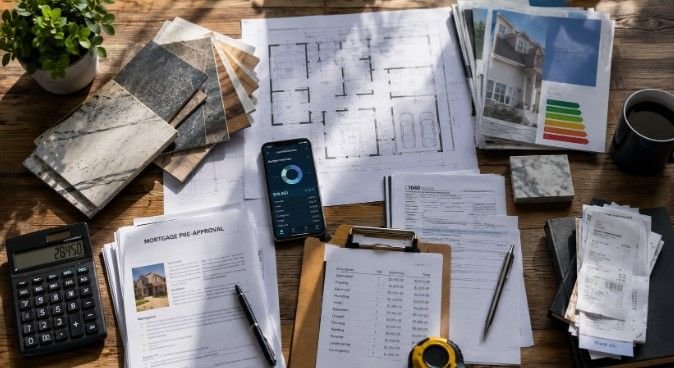
Strong records can make the difference between claiming a benefit and missing one. Create a dedicated digital folder for every renovation project. Store contracts, receipts, warranties, permits, and payment confirmations in one place for easy access.
For capital improvements, maintain records for as long as you own the property and beyond if necessary. These documents may play an important role when calculating gains after a future sale.
For energy credits and deductions, keep copies of manufacturer certifications and tax forms related to qualifying products and systems.
Frequently Asked Questions
1. What home renovation expenses are tax deductible?
Most personal home renovations are not immediately deductible. However, medically necessary modifications, home office improvements, rental property upgrades, and certain energy-efficient installations may qualify for tax benefits under specific IRS rules.
2. What home expenses are tax deductible?
Eligible expenses may include mortgage interest, qualifying property taxes, approved home office costs, medically necessary home modifications, and certain energy-efficiency improvements that meet federal requirements.
3. What is the $6000 deduction in the Big Beautiful Bill?
Tax legislation changes frequently. The specific deduction depends on the final law and eligibility requirements. Always review current IRS guidance and consult a qualified tax professional before claiming benefits.
4. What is the 30% rule in remodeling?
The 30% rule suggests homeowners should generally avoid spending more than 30% of a property’s market value on renovations to help maintain reasonable financial returns and property value balance.
Renovate, Save, And Smile Later
Understanding are home renovations tax deductible can help homeowners make better planning and budgeting decisions from the very beginning. While most upgrades are not immediately deductible, opportunities exist through capital improvements, energy-efficient upgrades, medically necessary modifications, rental properties, and qualified financing strategies.