


Watching a construction project come together is exciting, but seeing costs spiral out of control is not. That is why learning how to create a construction budget is one of the smartest steps any contractor, builder, or project manager can take. A well-planned budget helps control expenses, improve profitability, and keep projects moving smoothly from planning to completion.
Key Takeaways
- A detailed construction budget reduces financial surprises.
- Project scope is the foundation of accurate cost estimation.
- Hard costs and soft costs must both be included.
- Contingency funds protect projects from unexpected expenses.
- Regular tracking keeps spending aligned with budget goals.
How A Strong Budget Prevents Costly Mistakes
Before diving into how to create a construction budget, it helps to understand why it matters. Think of a construction budget as a GPS for your project. Without it, reaching the destination becomes much harder and more expensive.
Construction projects involve dozens of moving parts, from labor and materials to permits and subcontractors. A strong budget helps everyone stay on the same page while reducing the risk of delays, cost overruns, and cash flow issues.
For contractors and construction businesses, effective budgeting is not just about controlling costs. It is also about protecting profit margins, improving decision-making, and delivering successful projects that strengthen client trust.
The Foundation Starts With Scope
Every successful budget begins with a clear understanding of what the project includes. Defining scope creates the framework for all future cost estimates and planning decisions.
Define Project Requirements
Start by identifying project goals, deliverables, timelines, and client expectations. Every detail should be documented before estimating costs.
A clear project scope reduces confusion and prevents costly misunderstandings later. It also creates a reliable baseline for budgeting and scheduling.
Create A Work Breakdown Structure
A Work Breakdown Structure, often called a WBS, divides the project into smaller phases and tasks. Common phases include site preparation, foundation work, framing, electrical systems, plumbing, and finishing.
Breaking work into smaller sections makes estimating easier and helps improve cost accuracy throughout the project lifecycle.
Identify Exclusions Early
Not every activity or expense belongs in the project budget. Clearly documenting exclusions helps prevent scope creep and unexpected financial obligations with an emergency fund.
This step protects both contractors and clients by ensuring everyone understands exactly what is included and what is not.
Estimate Hard Costs Accurately
Once the scope is defined, the next step in how to create a construction budget is calculating direct construction expenses. These costs are often referred to as hard costs because they are directly related to building the project.
Calculate Material Costs
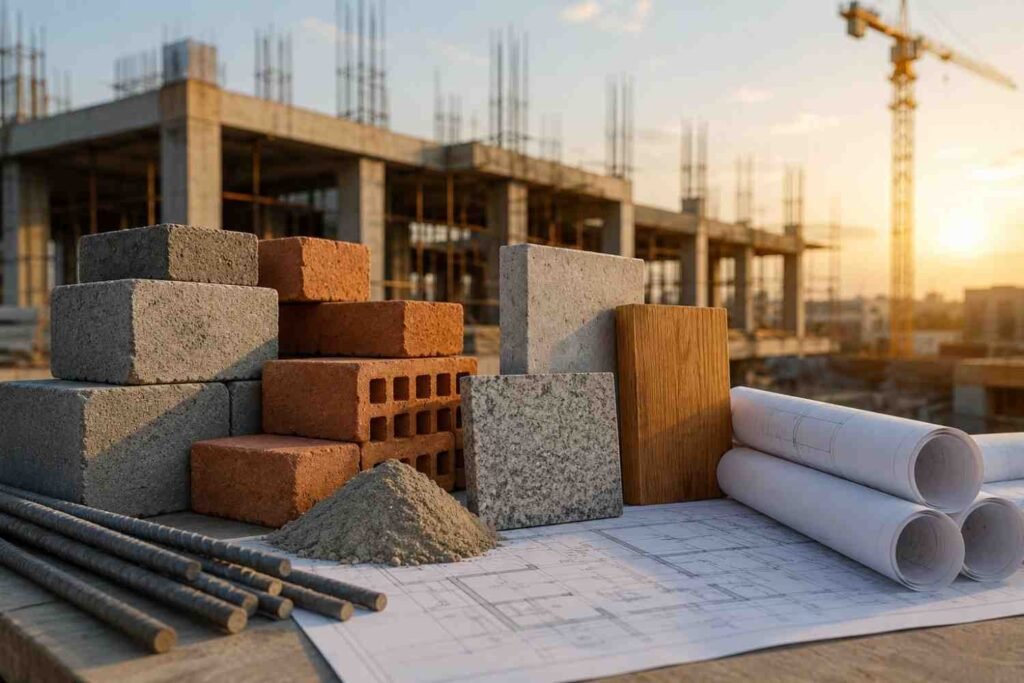
Materials often represent a significant portion of total project expenses. Begin with a quantity takeoff to determine exactly what materials are required.
Gather multiple supplier quotes whenever possible. Comparing prices helps improve accuracy and may uncover opportunities for cost savings.
Budget Labor Expenses
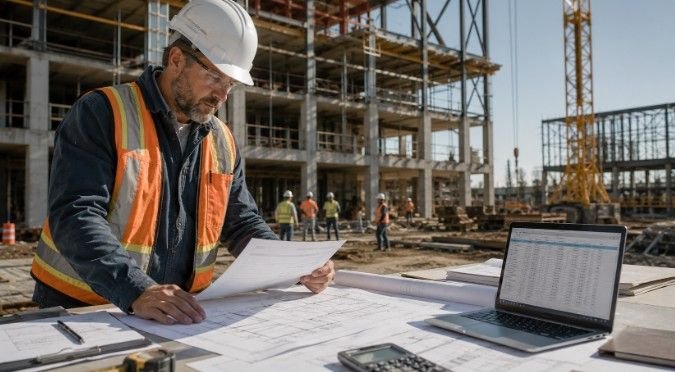
Labor costs include wages, overtime, payroll taxes, benefits, and supervision expenses. Since labor rates vary by region and skill level, using current market rates is essential. Accurate labor forecasting helps avoid underestimating costs and improves overall project profitability.
Include Subcontractors And Equipment
Specialized trades such as HVAC, electrical, roofing, and plumbing often require subcontractor bids. Collect detailed estimates before finalizing your budget.
Equipment costs should include rentals, purchases, transportation, maintenance, and fuel. Even smaller equipment expenses can add up over time.
Don’t Forget Soft Costs
Many construction budgets focus heavily on direct expenses while overlooking indirect costs. Soft costs play a critical role in project success and should never be ignored.
Account For Professional Services
Architectural design, engineering services, surveying, and consulting fees are common soft costs. These expenses often occur before construction even begins. Including professional fees early helps create a more realistic financial picture.
Plan For Permits And Approvals
Construction projects frequently require permits, inspections, zoning approvals, and utility connection fees. These expenses vary depending on project type and location. Failing to budget for regulatory requirements can lead to unexpected delays and additional costs.
Cover Business Overhead
Overhead expenses support the project but are not tied to a specific construction activity. Examples include insurance, site security, office administration, and temporary facilities. Allocating overhead properly ensures the budget reflects the true cost of completing the project.
Build In Protection And Profit
Even the best estimates cannot predict every challenge. This stage of how to create a construction budget focuses on protecting the project financially while ensuring business sustainability.
Set Aside A Contingency Fund
Construction projects are full of variables. Weather conditions, supply chain disruptions, and site surprises can impact costs unexpectedly.
Most contractors reserve between 5% and 10% of estimated project costs as a contingency fund. This financial cushion helps absorb unforeseen expenses without disrupting operations.
Add Profit Margin And Markup
A budget should not simply cover costs. It should also support business growth and profitability.
Commercial projects often target profit margins between 10% and 20%, while residential projects may require margins closer to 20% to 30%. The appropriate markup depends on project complexity and business goals.
Review Financial Viability
Before approving the budget, evaluate whether projected revenue supports both expenses and desired profits.
This final review helps identify risks and ensures the project remains financially worthwhile.
Turn Estimates Into A Working Budget
Creating estimates is only part of the process. The next step is organizing those numbers into a structured budget that can guide project execution.
Create Cost Categories
Group expenses into clear categories such as labor, materials, subcontractors, equipment, permits, overhead, and contingency reserves. Well-organized categories improve visibility and make financial reporting easier throughout the project.
Use Construction Budget Templates
When building a house budget use templates to simplify planning by providing a consistent structure for recording expenses and forecasts. Many contractors use spreadsheets or budgeting software to maintain line-by-line control and improve accuracy.
Establish Cost Codes
Cost codes allow project teams to track spending by specific work activities. This creates better visibility into how money is being spent compared to original estimates. Using cost codes also improves reporting and supports future project planning efforts.
Keep The Budget Alive
A construction budget should never sit untouched after project kickoff. Successful budgeting requires continuous monitoring and adjustments.
Track Actual Spending

Compare actual costs against projected expenses on a regular basis. Weekly reviews often provide the best balance between oversight and efficiency. Early detection of budget variances allows corrective action before problems become significant.
Update Forecasts Regularly
Construction conditions change throughout a project. Material prices, labor availability, and project timelines may shift unexpectedly. Updating forecasts ensures the budget remains relevant and useful as the project evolves.
Learn From Every Project
Completed projects provide valuable historical data that can improve future budgeting accuracy. Reviewing performance metrics helps identify trends, refine estimating practices, and strengthen long-term financial planning.
Frequently Asked Questions
1. What is the 50/30/20 budget rule?
The 50/30/20 budget rule divides income into three categories. Fifty percent covers essential expenses, thirty percent goes toward personal wants, and twenty percent is allocated to savings, investments, or debt repayment.
2. What is the 70/20/10 rule budget?
The 70/20/10 budgeting method allocates seventy percent of income to living expenses, twenty percent to savings goals, and ten percent toward investments, charitable giving, or future financial opportunities.
3. How to make a construction budget?
To understand how to create a construction budget, start by defining project scope, estimating hard and soft costs, adding contingency funds and profit margins, then tracking actual spending throughout the project.
4. What are the 5 basic elements of a budget?
The five basic elements typically include projected income, direct costs, indirect costs, contingency reserves, and profit goals. Together, these components create a complete financial plan for effective project management.
Build Big Dreams Without Budget Nightmares
Mastering how to create a construction budget is one of the most important skills in construction planning and budgeting. A clear scope, accurate hard and soft cost estimates, contingency planning, and ongoing tracking create a stronger foundation for project success.
By following these proven steps, contractors and project managers can reduce risk, improve profitability, and complete projects with greater confidence and control.