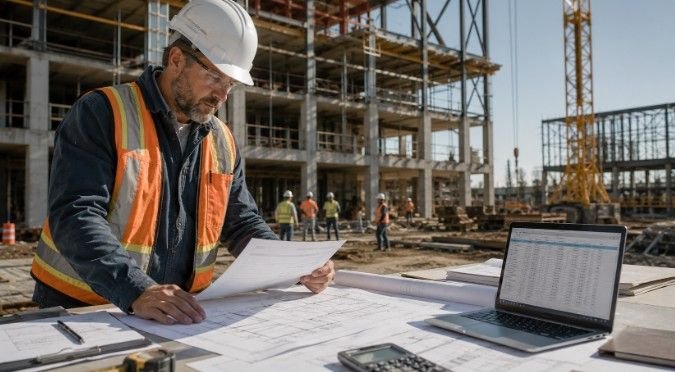

A construction project does not fail only when the building goes up wrong. It often starts failing much earlier, when the scope is vague, the permits are delayed, the estimate misses key costs, or the team has no clear system for handling field changes. That is why construction project management process steps are not just a formal checklist.
They are the control system behind every successful US build, helping owners, contractors, architects, and trade teams move from concept to closeout with fewer budget shocks, schedule delays, inspection issues, and last-minute disputes.
What Is the Construction Project Management Process?
The construction project management process is the structured way a project is planned, designed, priced, procured, built, controlled, and closed. It covers the full construction project lifecycle, from the first business case to final handover.
Project Conception and Initiation: Should the Project Move Forward?

Every construction asset starts as a concept proposed by a client, owner, or developer. Before drawings begin, the idea must pass a practical business test.
The business case reviews the financial incentive, long-term property use, funding plan, return on investment, and owner expectations.
The feasibility study checks zoning rules, land use limits, environmental impact, utility access, site conditions, and baseline construction costs. For US projects, this stage also needs early awareness of local code requirements and permitting barriers.
Once the project looks realistic, the owner issues a project charter. This document sets the high-level scope, budget expectations, timeline goals, stakeholder roles, and funding approval. I see this as the first major control point because it turns a loose idea into an accountable project.
Design and Planning: How Does the Concept Become Buildable?
After approval, architects and engineers convert the concept into a buildable scope. Design progression usually moves from conceptual sketches to schematic design, design development, and final construction documents.
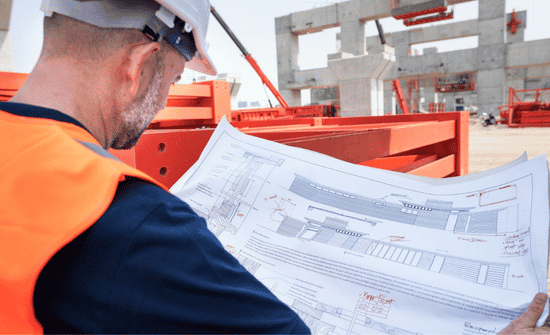
These contract documents include technical specifications, structural blueprints, electrical layouts, HVAC plans, plumbing drawings, civil plans, and material standards. Contractors use them to price the work, schedule labor, and coordinate trades. Unclear documents often lead to RFIs, redesigns, and change orders.
Building permits also belong in this stage. Final documents go to the local municipal authority for review, including zoning, fire safety, accessibility, energy code compliance, structural safety, and environmental requirements.
Preconstruction Planning: How Do You Set the Baseline?
Preconstruction planning creates the operating baseline before physical work starts. This is where construction project planning steps become detailed and measurable.
The work breakdown structure, or WBS, divides the full scope into manageable tasks and sub-deliverables. Cost code estimation organizes labor, material quantities, equipment, subcontractor pricing, and overhead into trackable categories. This helps the project manager compare actual costs against the estimate throughout the build.
Scheduling also becomes more serious here. Many contractors use the Critical Path Method, or CPM, to map task dependencies and identify activities that control the completion date. The team also builds a risk and safety register for site hazards, severe weather, labor gaps, long-lead materials, inspection risks, and contingency plans.
Bidding and Procurement: Who Will Build It and How?

Bidding and procurement turn drawings into committed pricing, contracts, and purchase orders. First, the owner chooses a delivery method. Design-Bid-Build keeps design and construction separate, while Design-Build gives one team responsibility for both. The right choice affects pricing, speed, and risk.
Tendering, commonly called bidding in the US, sends technical documents to qualified general contractors, trade subcontractors, and vendors. Each proposal should match the scope, specifications, schedule, insurance terms, safety rules, and quality expectations.
The construction procurement process also includes purchase orders, vendor contracts, equipment rentals, shop drawings, submittals, lead-time tracking, delivery planning, and site logistics. Good procurement keeps materials flowing instead of leaving crews waiting.
Construction and Execution: How Does the Plan Perform on Site?
The construction project execution process begins with a kickoff meeting. The project manager aligns trade partners, reviews responsibilities, confirms the baseline schedule, explains reporting rules, and verifies on-site safety protocols.
Site preparation may include clearing land, installing perimeter fencing, setting staging areas, bringing in temporary utilities, and preparing access for heavy equipment. Then crews move into foundation work, structural assembly, building enclosure, mechanical systems, electrical work, plumbing, interior utilities, finishes, and exterior improvements.
Daily logging is essential during execution. Logs record completed tasks, labor counts, equipment use, deliveries, weather impacts, resource usage, field issues, and active safety incidents. These records support accountability and help managers solve problems before they damage the schedule.
Project Control and Monitoring: What Keeps the Job Profitable?
Project control and monitoring run parallel to execution. This is not a one-time step. It is the discipline that links on-site activity back to the preconstruction baseline.
Project managers use it to track cost variance, schedule delays, change orders, material price changes, productivity, quality assurance, safety compliance, inspections, and subcontractor performance. Written documentation matters because verbal approvals can create disputes.
Project Closeout: How Do You Finish Cleanly?

Closeout finalizes the structural, financial, regulatory, and operational obligations of the project. A strong construction project closeout process should begin before the last week on site.
Punch list execution comes first. The owner, architect, and contractor walk the space, identify minor aesthetic or functional defects, and assign corrections. System commissioning then tests plumbing, electrical, HVAC, fire protection, controls, and other active systems under real operating conditions.
Handover includes keys, access credentials, warranties, as-built drawings, operation manuals, owner training, attic stock, and final approvals. Financial reconciliation closes subcontractor payments, retainage, lien waivers, change orders, and archived project data.
Frequently Asked Questions (FAQs)
1. What are the main steps in construction project management?
The main steps include initiation, design, preconstruction, bidding, procurement, construction execution, project control, monitoring, closeout, and handover.
2. Why is preconstruction planning important?
Preconstruction planning sets the scope, cost, schedule, safety, risk, and procurement baseline before expensive fieldwork begins.
3. What is project control in construction?
Project control tracks cost, schedule, quality, safety, change orders, and project performance against the original baseline.
4. What happens during construction closeout?
Closeout includes punch lists, commissioning, warranties, owner training, as-built drawings, lien waivers, final payments, and handover documents.
Final Thoughts
When I break down construction project management process steps, one thing becomes clear: successful builds are managed long before they are finished. A strong process gives US construction teams a better way to handle permits, budgets, procurement, site execution, inspections, safety, closeout, owner handover, and construction document management without losing control.