

Walk through any neighborhood with homes that have stood strong for 50, 75, or even 100 years, and you’ll notice something interesting. Their longevity rarely comes down to luck. In most cases, the builders made smart material choices from the beginning, selecting products that could handle weather, wear, and changing conditions over time.
Many construction projects focus heavily on upfront costs, but durability often has a much bigger impact on long-term value. Whether you’re building a home, planning a renovation, or managing a commercial project, understanding how to choose construction materials can help reduce maintenance, improve building performance, and prevent costly repairs years down the road.
Start With the Climate Your Building Will Face
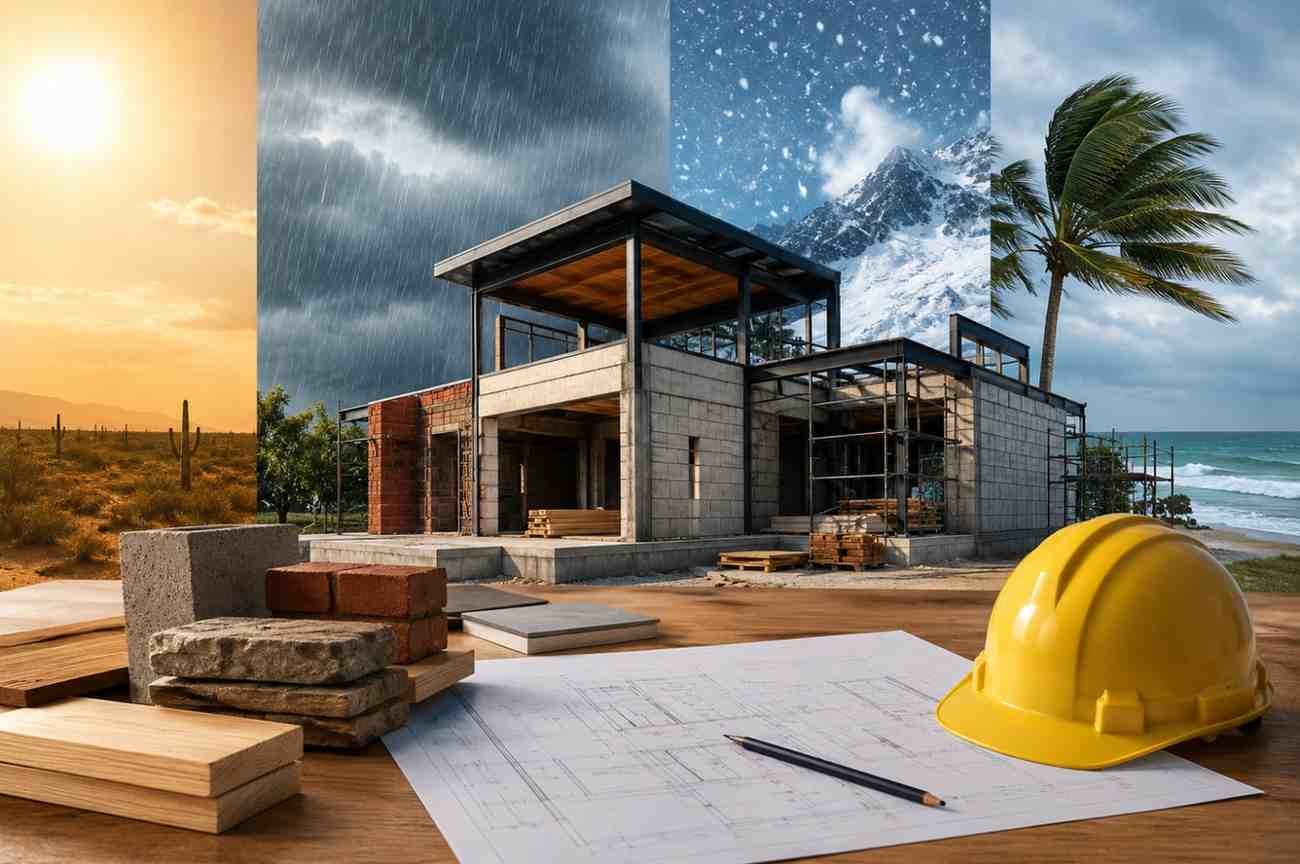
One of the most important factors in choosing long-lasting building materials is understanding the environment where they’ll be installed.
Hot and Humid Regions
Areas with high humidity, heavy rainfall, and frequent storms place significant stress on exterior materials.
In these environments, moisture resistance becomes critical. Fiber-cement siding, concrete masonry units, and impact-resistant metal roofing often outperform traditional wood products because they resist rot, insect damage, and excessive moisture absorption.
Builders in coastal and hurricane-prone areas also prioritize materials that can withstand strong winds and flying debris.
Hot and Dry Regions
Regions with intense sun exposure and high daytime temperatures require materials that handle thermal expansion and UV radiation.
Brick, stone, adobe, and clay tile roofing perform particularly well because their thermal mass helps regulate indoor temperatures while maintaining structural stability over time.
Wildfire resistance is another important consideration in these areas, making non-combustible materials an attractive option.
Cold and Northern Regions
In colder climates, freeze-thaw cycles can cause severe damage to porous materials. Water enters small cracks, freezes, expands, and gradually weakens the structure.
Low-absorption brick, air-entrained concrete, slate roofing, and standing-seam metal roofing are often preferred because they resist moisture-related deterioration and perform well under snow loads.
Look Beyond the Initial Purchase Price
One of the biggest mistakes people make when learning how to choose construction materials is focusing solely on the lowest bid.
The cheapest option today can become the most expensive option over time.
Many experienced builders evaluate lifecycle cost rather than upfront cost. This approach considers installation expenses, maintenance requirements, repairs, and replacement cycles throughout the material’s lifespan.
Understanding the factors affecting building material costs can help property owners make better long-term decisions. Labor requirements, durability, transportation expenses, maintenance needs, and replacement frequency all contribute to the true cost of ownership.
For example, a low-cost asphalt roof may need multiple replacements over several decades, while a slate or standing-seam metal roof may continue performing with minimal intervention for generations.
Evaluate Durability and Structural Performance
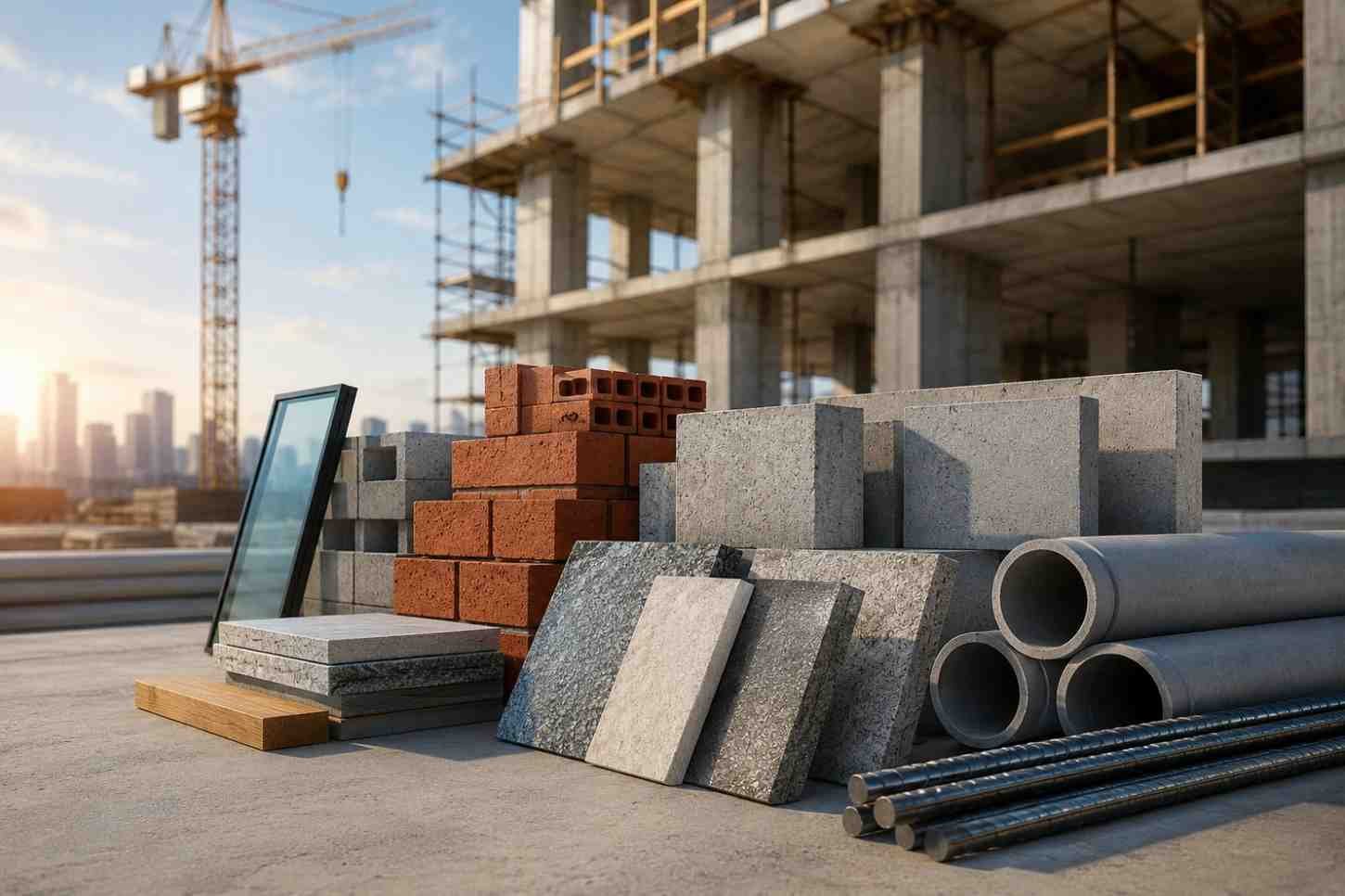
Not all materials are designed for the same level of performance.
Before making a decision, consider how each material responds to environmental stress, daily wear, and long-term exposure.
Strength and Load-Bearing Capacity
Structural components should provide reliable support for decades.
Reinforced concrete and structural steel remain popular choices because they offer exceptional strength and longevity. Properly designed and maintained systems can easily exceed a lifespan of 100 years.
Resistance to Wear and Damage
Exterior surfaces experience constant exposure to weather, sunlight, moisture, and temperature changes.
Materials with strong corrosion resistance, weather resistance, and impact resistance generally require fewer repairs and maintain their appearance longer.
When reviewing products, look beyond marketing claims and examine technical specifications, testing reports, and performance data.
Compare Common Long-Lasting Construction Materials
Some materials consistently demonstrate excellent long-term performance across residential and commercial construction.
Concrete
Concrete remains one of the most durable construction materials available. Properly mixed and installed concrete provides exceptional strength, moisture resistance, and structural stability.
Brick Masonry
Brick offers excellent durability, fire resistance, and low maintenance requirements. High-quality brick can remain structurally sound for more than a century when properly maintained.
Natural Stone
Natural stone is often considered one of the longest-lasting exterior materials. It resists weathering, maintains its appearance, and delivers exceptional lifespan performance.
Structural Steel
Steel provides high strength-to-weight ratios and excellent structural performance. Protective coatings and corrosion-resistant treatments can significantly extend service life.
Engineered Wood
Modern engineered wood products offer improved dimensional stability and performance compared to traditional lumber while maintaining many of the benefits of wood construction.
Verify Quality Standards Before Buying
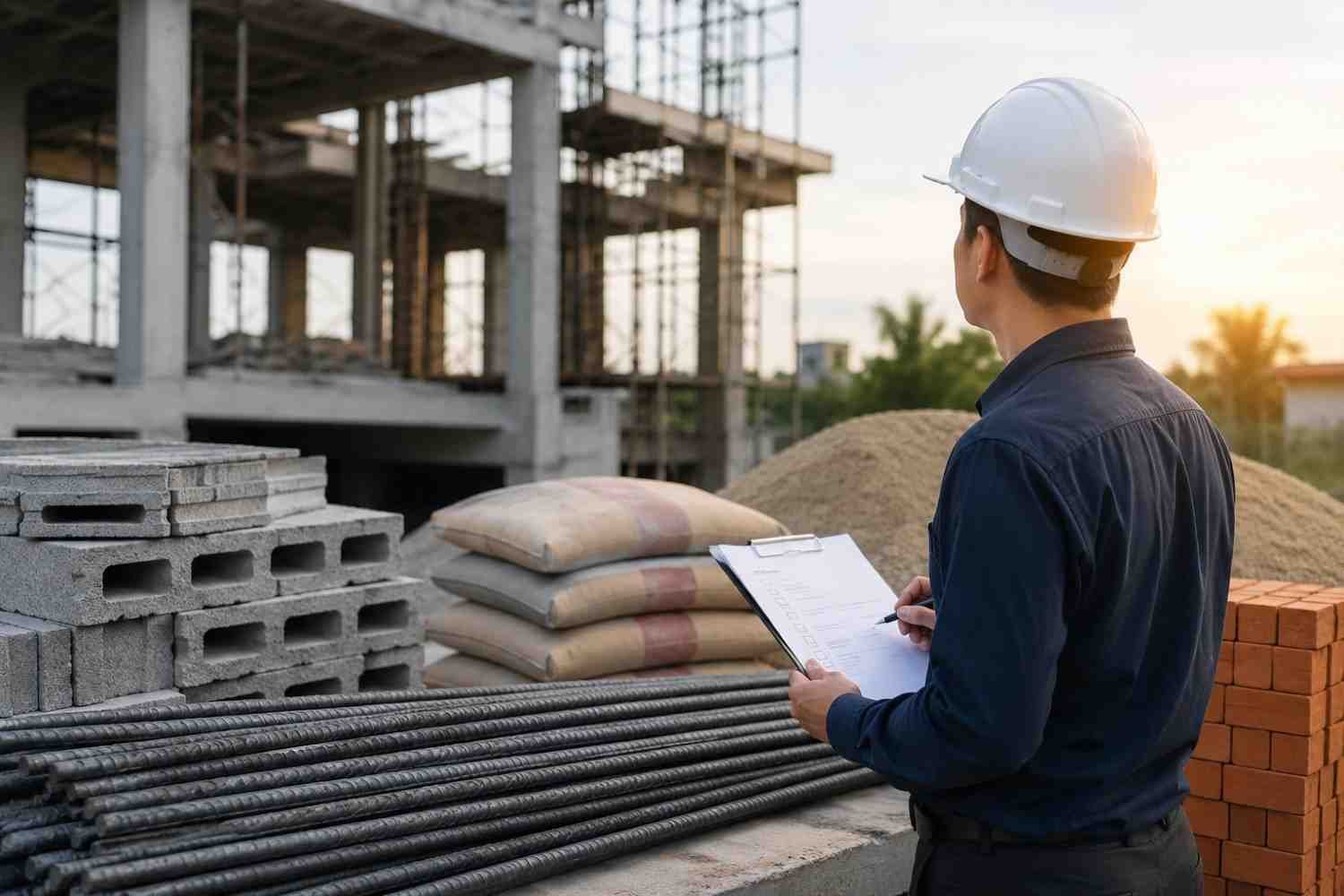
The quality of a material matters just as much as the material type itself.
Reputable manufacturers typically provide documentation showing compliance with industry standards and testing requirements.
When evaluating products, pay attention to:
- ASTM testing certifications
- Fire resistance ratings
- Wind resistance ratings
- Impact resistance classifications
- Moisture performance data
- Corrosion resistance specifications
Materials that meet recognized standards often provide more predictable long-term performance.
Design for Dryness and Easier Maintenance
Even premium materials can fail if moisture becomes trapped within the building envelope.
Proper water management is one of the most overlooked aspects of durable construction.
High-performance weather-resistive barriers, correctly installed flashing, and well-designed drainage systems help protect structural components from hidden water damage.
Many builders also use rainscreen systems that create a small air gap behind exterior cladding. This design allows moisture to drain and evaporate rather than becoming trapped inside wall assemblies.
Simple design decisions like these often add decades to a building’s lifespan.
FAQs: How to Choose Construction Materials That Last for Decades
1. How do I know if a construction material is truly durable?
Review independent testing data, manufacturer specifications, warranty information, and compliance with recognized standards such as ASTM certifications. Durability should be supported by documented performance rather than marketing claims.
2. What is the longest-lasting roofing material?
Slate roofing is often considered one of the longest-lasting roofing materials, with lifespans exceeding 100 years in many applications. Clay tile and standing-seam metal roofing also offer exceptional longevity.
3. Are expensive construction materials always better?
Not necessarily. The best choice depends on climate, building design, maintenance expectations, and performance requirements. Long-term value matters more than the purchase price alone.
4. Why is moisture control so important in construction?
Moisture is one of the leading causes of building deterioration. Proper drainage, flashing, ventilation, and weather barriers help prevent rot, mold, corrosion, and structural damage.
Why the Best Buildings Rarely Depend on Cheap Shortcuts
The buildings that continue performing well after decades of use usually have one thing in common: their materials were selected with the future in mind. Builders and property owners who focus on durability, climate compatibility, structural performance, and lifecycle costs often spend less on repairs while enjoying better building performance over time. The goal isn’t simply to build something that looks good today—it’s to create a structure that remains reliable through changing seasons, weather conditions, and generations of use.
Smart material choices rarely attract attention at the beginning of a project, but they often become the reason a building still stands strong many decades later.