
When I look at today’s construction sites, I see one major challenge that affects almost every project: equipment visibility. A crew may have the right machines, tools, trailers, and attachments, but if no one knows where they are, who used them last, or when they need service, productivity drops quickly.
Equipment Tracking Technology for Construction Companies helps solve this problem by giving contractors better control over assets, jobsite movement, maintenance schedules, and project costs.
What Is Equipment Tracking Technology in Construction?
Equipment tracking technology is the use of digital tools, connected devices, and software systems to monitor construction assets. These assets can include excavators, loaders, cranes, trucks, trailers, compact machines, generators, pumps, attachments, rented equipment, and small tools.
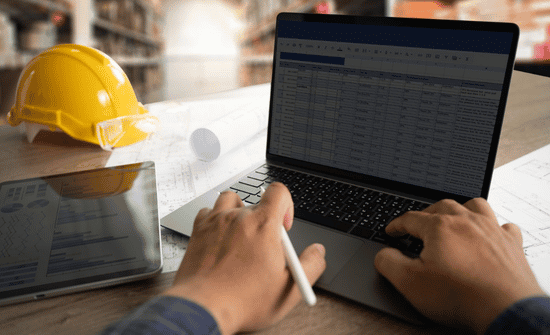
Instead of depending on paper logs, spreadsheets, or repeated phone calls, contractors can use tracking software to see where equipment is located, how often it is used, and whether it is available for the next job. This gives project managers, site supervisors, mechanics, and business owners one reliable view of their equipment.
The goal is not only to find machines faster. The bigger goal is to reduce waste, prevent delays, improve accountability, use estimating software for small contractors more effectively, and make better business decisions.
Why Construction Companies Need Better Equipment Tracking
Construction equipment is expensive, and poor tracking can quietly drain profit. A machine may sit unused on one site while another project rents the same type of equipment. A trailer may be moved without updating the team. A rented lift may stay on-site longer than needed, adding unnecessary charges. A tool may disappear because there is no check-in or check-out process.
These issues may seem small, but they create real problems. Projects slow down, crews waste time searching for assets, maintenance gets missed, and replacement costs increase. Contractors also lose control over job costing when they do not know which equipment was used, for how long, and on which project.
Types of Equipment Tracking Technology Used on Jobsites
GPS Tracking
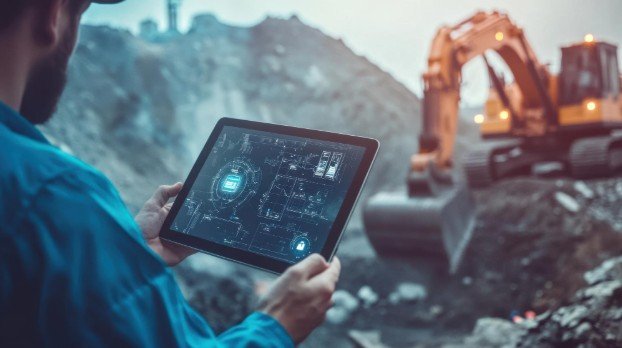
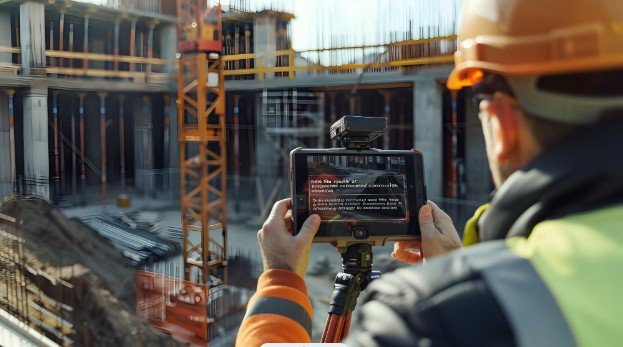
GPS tracking is commonly used for heavy equipment, trucks, trailers, and high-value mobile assets. It helps teams view equipment location in real time and monitor movement between yards, jobsites, and storage areas.
GPS tracking is especially useful for preventing theft and unauthorized use. If a machine moves outside an approved location, managers can receive an alert and act quickly.
Telematics Systems
Telematics provides deeper equipment data beyond location. It can track engine hours, fuel usage, idle time, fault codes, service needs, and machine performance. This helps contractors understand how equipment is being used and whether it is costing more than it should.
Telematics is valuable for companies that want to improve maintenance planning, reduce downtime, and manage larger fleets more efficiently.
RFID and QR Code Tracking
RFID tags and QR codes are useful for smaller tools, attachments, and equipment that may not need full GPS tracking. Workers can scan items when they are assigned, returned, moved, or inspected.
This creates better accountability and reduces the chances of tools being misplaced or replaced unnecessarily.
Bluetooth and IoT Sensors
Bluetooth tags and IoT sensors are helpful for tracking assets within yards, warehouses, and active jobsites. They are often used for portable equipment, toolboxes, safety gear, and smaller assets that need simple location visibility.
These technologies give contractors flexible options based on asset value, size, and tracking needs.
Key Features to Look for in Equipment Tracking Software
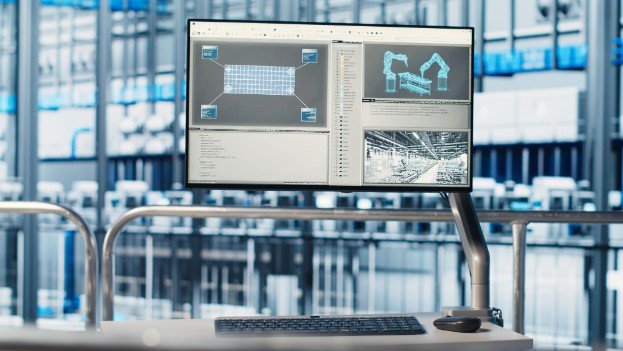
A good equipment tracking system should do more than show a location on a map. It should help contractors manage assets as part of everyday project operations.
Real-time location tracking is important because it helps teams quickly find machines and tools. Geofencing is also valuable because it allows managers to create virtual boundaries around jobsites, yards, or storage locations. If equipment leaves that area without approval, the system can send an alert.
Utilization reports are another important feature. These reports show whether equipment is being actively used, sitting idle, or assigned to the wrong project. With this information, contractors can reduce unnecessary rentals and move machines where they are needed most.
Maintenance alerts are also essential. When service is based on engine hours or actual usage, companies can prevent breakdowns, avoid emergency maintenance, and extend the life of their equipment.
Benefits of Equipment Tracking for Construction Companies
One major benefit is theft prevention. Construction sites often contain valuable equipment in open or temporary locations. Tracking devices, alerts, and location history make it easier to protect assets and recover stolen equipment.
Another benefit is improved productivity. Crews do not need to waste time searching for machines, attachments, or tools. Supervisors can quickly see what is available and where it is located.
Equipment tracking also reduces idle time. When managers know which assets are underused, they can transfer them to active projects or avoid renting extra equipment. This helps improve cost control and project planning.
It also supports better maintenance. By tracking usage, service history, and machine condition, contractors can schedule repairs before equipment fails. This reduces downtime and keeps work moving.
How to Choose the Right Equpment Tracking System
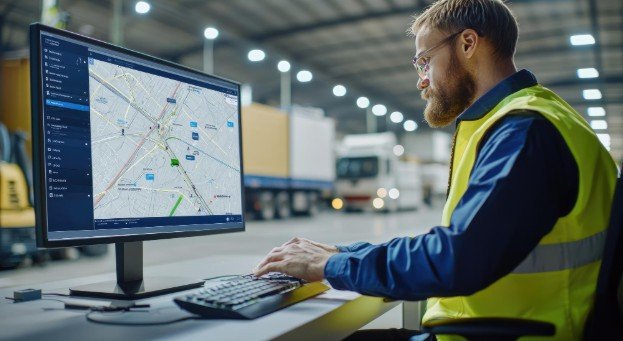
The right system depends on the size of the company, the type of assets being tracked, and the number of active jobsites. A contractor with large machines across multiple projects may need GPS and telematics. A company that manages many smaller tools may need QR codes, check for RFID tags, or mobile check-out features.
Before choosing software, contractors should create a complete equipment list. This list should include owned machines, rented assets, trucks, trailers, generators, attachments, and high-value tools. Once the asset list is clear, it becomes easier to decide which tracking method works best.
The system should also be simple for field teams to use. If workers find it confusing, they may avoid using it. Mobile access, easy scanning, clear dashboards, and automatic alerts can make adoption much smoother.
How to Implement Equipment Tracking Across Multiple Jobsites
The first step is to audit all equipment. Every asset should have a name, ID number, category, current location, condition, and assigned person or project. This creates a clean foundation for the tracking system.
Next, contractors should tag or connect each asset based on its value and usage. Heavy equipment may need GPS or telematics, while smaller tools may only need QR codes or RFID tags. Rented equipment should also be added so return dates and costs can be monitored.
After setup, field teams should be trained on how to scan equipment, update locations, report movement, and respond to alerts. The system should become part of the daily routine, not an extra task that gets ignored.
Frequently Asked Questions
1. What is Equipment Tracking Technology for Construction Companies?
It is a system that helps contractors monitor equipment location, usage, movement, maintenance needs, and jobsite accountability.
2. Is GPS tracking enough for construction equipment?
GPS is useful for location tracking, but telematics, RFID, QR codes, and mobile software can provide deeper asset control.
3. Can equipment tracking reduce rental costs?
Yes, it helps contractors identify idle machines, avoid duplicate rentals, track return dates, and use owned equipment more efficiently.
4. What equipment should be tracked first?
High-value machines, trailers, rented equipment, generators, attachments, and frequently misplaced tools should be tracked first.
Final Thoughts
I believe equipment tracking is one of the smartest upgrades a construction company can make because it solves problems that quietly affect profit every day.
Lost tools, idle machines, missed maintenance, late rental returns, and poor jobsite visibility can all create unnecessary pressure. With the right system, contractors can protect assets, plan work better, reduce waste, and keep crews focused on productive tasks.