



A small drip does not stay small because you ignored it politely. It travels, stains, swells, rusts, smells, and eventually sends you a bill with attitude. I learned how to prevent small home repairs from getting worse by treating tiny home problems like early warnings, not weekend annoyances.
Most expensive repairs start as quiet signs. A slow drain becomes a backup. A cracked caulk line becomes hidden mold. A loose outlet becomes a safety concern. The trick is not panic. The trick is fast containment, smart tracking, and knowing when a repair has crossed the DIY line.
Stop Damage the Same Day You Notice It
The first rule I use is simple: stop the cause before improving the surface. Paint can wait. Pretty can wait. Water, heat, friction, and movement cannot wait.
When I see a stain, drip, gap, crack, or smell, I ask one question first: “What is feeding this problem?” Once that source stops, the repair becomes manageable.
Shut Off Water Before It Travels
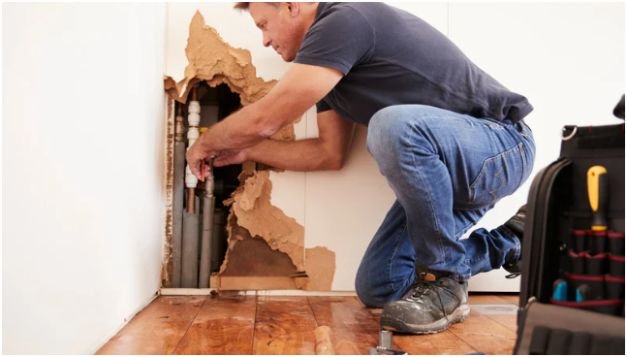
Water damage is the fastest way a small home repair becomes a serious one. A pinhole leak under a sink can soak cabinet floors, drywall, insulation, and subflooring before it looks dramatic.
I keep the main water shutoff location written in my repair tracker. I also check shutoff valves under sinks and behind toilets twice a year. If a valve drips, feels frozen, or looks corroded, I do not wait for it to fail during an emergency.
For small leaks, I contain first. I shut off the nearest valve, dry the area, place a fan if safe, and check the surrounding surface. The EPA recommends quick drying after leaks because damp materials can develop mold when moisture sits too long. That one fact changed how I treat “minor” water issues.
Seal Gaps Before Moisture Moves In
Cracked caulk around windows, tubs, sinks, and exterior trim looks harmless. It is not. Gaps invite water into places that do not dry easily.
I keep exterior-grade caulk, painter’s tape, a scraper, and a basic caulk gun in one bin. When I notice a gap around a window or door, I clean the area and seal it before the next rain. I do the same around tubs and sinks when caulk starts peeling or separating.
This is one of the cheapest ways to prevent home repair problems from spreading. A tube of caulk costs little. Rotten trim, swollen drywall, and mold cleanup do not.
Patch Holes and Clogs Before Pressure Builds
Small drywall holes can crumble wider when edges stay exposed. I patch them with mesh, compound, and light sanding before furniture, kids, pets, or door handles make them worse.
Clogs need the same early response. I use a plunger or drain snake when water starts draining slowly. I avoid harsh chemical drain cleaners because they can be rough on older pipes. If the same drain clogs repeatedly, I treat it as a symptom, not a one-time inconvenience.
This is where how to prevent small home repairs from getting worse becomes a habit. You do not wait for the disaster version. You handle the small version while it is still cheap.
Use a Monthly Repair Tracker, Not Your Memory

I used to believe I would remember every loose handle, slow drain, cracked tile, and weird outlet. I did not. No homeowner does.
A monthly repair tracker removes guesswork. It also shows patterns. One crack may be cosmetic. A crack that widens over two months deserves a closer look.
My Simple Repair Ledger Method
I use a basic spreadsheet with five columns: repair issue, room, date noticed, risk level, and next action. That is enough.
The risk level is the important part. I mark water, electrical, gas, roof, and structural concerns as urgent. Cosmetic issues go into the monthly batch list. Anything that repeats gets moved higher.
For example, one slow bathroom drain may be a small clog. Three slow drains in the same week may point to a bigger plumbing issue. Tracking turns scattered annoyances into a clear repair pattern.
Batch the Small Stuff Once a Month
I choose one weekend morning each month for minor repairs. I tighten cabinet pulls, touch up paint, replace worn weatherstripping, clean appliance vents, test smoke alarms, and clear small clogs.
This keeps little tasks from becoming a mental pileup. It also helps me avoid rushed repairs. Rushed repairs often create second repairs.
For older properties, I pair this habit with the same prevention-first mindset usedto maintain an older home without major repairs. Older homes reward consistency. They punish neglect.
Know Your DIY Limits Before the Repair Bites Back
DIY saves money when the job is simple, visible, and low-risk. It costs money when the problem involves hidden systems, safety hazards, or structural movement.
I use one rule: if a mistake can cause fire, flooding, gas leaks, collapse, or code problems, I call a qualified professional.
Repairs I Handle Myself
I usually handle basic caulking, small drywall patches, simple drain clearing, weatherstripping, paint touch-ups, filter changes, loose screws, squeaky hinges, and basic gutter debris removal from safe ground-level tools.
Before I start, I watch a specific tutorial from a reliable home repair source. I also check that I own the right tool. If the repair requires improvising with the wrong tool, I pause.
Good DIY feels controlled. Bad DIY feels like guessing with a ladder nearby.
Repairs I Never Gamble With
I do not handle complex electrical work, gas lines, structural foundation issues, major roof repairs, or hidden plumbing problems inside walls.
Warm outlets, buzzing sounds, frequent breaker trips, burning smells, and flickering lights are not “quirks.” They can signal wiring trouble. I treat them as same-day safety checks.
The same goes for foundation cracks that widen, doors that suddenly stick, uneven floors, or cracks paired with water intrusion. Small structural clues deserve professional eyes before they become expensive repairs.
Schedule Seasonal Sweeps Before Weather Tests Your Home
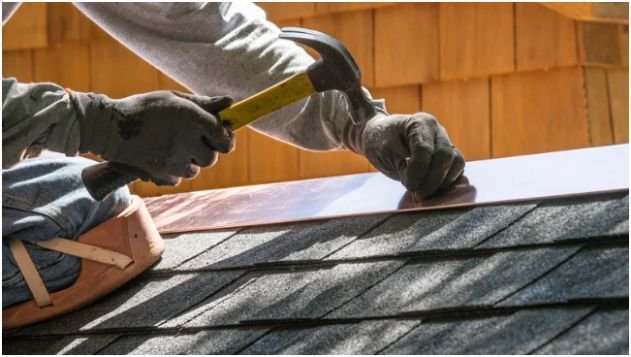
Seasonal maintenance works because houses fail under pressure. Rain, heat, snow, wind, humidity, and freezing temperatures expose weak spots.
I schedule four seasonal sweeps a year. They are short, but they catch problems before the weather does.
Spring and Summer Checks
In spring, I clean gutters, inspect downspouts, check roof edges, look for peeling exterior caulk, and scan the foundation for cracks. Gutters matter because roof water needs a clear path away from the house.
I also check HVAC filters before heavy cooling season. Dirty filters restrict airflow and make systems work harder. If the filter looks dusty after a month, I replace it. If not, I still keep a regular schedule.
In summer, I check window seals, hose bibs, irrigation lines, and appliance hoses. Washing machine hoses and dishwasher connections deserve attention because hidden leaks can run for hours.
Fall and Winter Checks
In fall, I clean gutters again. Leaves, seeds, and debris can block drainage right before heavy rain or freezing weather.
I also disconnect outdoor hoses, shut off exterior taps when needed, inspect weatherstripping, and look for gaps where cold air or pests can enter. In colder regions, pipe protection matters. A small freeze-prone pipe issue can become a burst pipe.
I flush the water heater once a year to reduce sediment buildup. I also look for corrosion, leaking valves, rust, or popping sounds. Those signs tell me the system needs attention before it fails.
Use the Repair Escalation Clock
My original rule is the repair escalation clock. It helps me decide how fast to act.
Water issues get attention within 24 hours. Electrical warning signs get same-day caution and a professional call when needed. Roof leaks, gas smells, and structural movement get immediate priority. Slow drains, caulk gaps, and minor holes go into the current week. Cosmetic repairs go into the monthly batch.
This keeps decisions simple. It also prevents the most common homeowner mistake: treating all repairs equally.
They are not equal. A paint chip can wait. A leak cannot.
That is the practical core of how to prevent small home repairs from getting worse. The goal is not perfection. The goal is preventing spread.
Don’t Let a $12 Fix Become a $1,200 Problem
Your home does not need dramatic renovations to stay healthy. It needs attention before small problems start recruiting friends.
I like to think of maintenance as quiet control. Shut off the leak. Seal the gap. Track the crack. Clean the gutter. Change the filter. Call the pro before bravery gets expensive.
Start with one walk-through this week. Open cabinets, check ceilings, test drains, inspect caulk, and write down every small issue. Then fix the one most likely to spread first. That is how you stay ahead of your home instead of being chased by it.
FAQs
1. What small home repairs should be fixed immediately?
Fix leaks, electrical warning signs, roof drips, gas smells, clogged drains, and widening cracks immediately because they can spread fast.
2. How often should I check my home for minor repairs?
Walk through your home monthly and do deeper seasonal checks four times a year.
3. What is the easiest way to prevent minor home damage?
Stop water early, seal gaps, clean gutters, change filters, and track repairs in one simple spreadsheet.
4. How to prevent small home repairs from getting worse without hiring someone?
Handle safe DIY tasks quickly, but call a licensed professional for electrical, gas, roof, plumbing, or structural concerns.