
Owning a property used to come with a long checklist of ongoing chores. Repainting siding, repairing decks, replacing damaged roofing, and dealing with moisture-related issues were simply considered part of the experience. Today, that mindset is changing. Property owners are paying closer attention to long-term performance rather than just the initial purchase price of construction materials.
The shift is easy to understand. Maintenance costs continue to rise, skilled labor can be difficult to schedule, and people have less time to manage recurring repairs. As a result, building materials that reduce maintenance have become a priority for homeowners, real estate investors, and commercial property managers looking for smarter long-term investments.
Why Maintenance Costs Are Becoming a Bigger Concern?
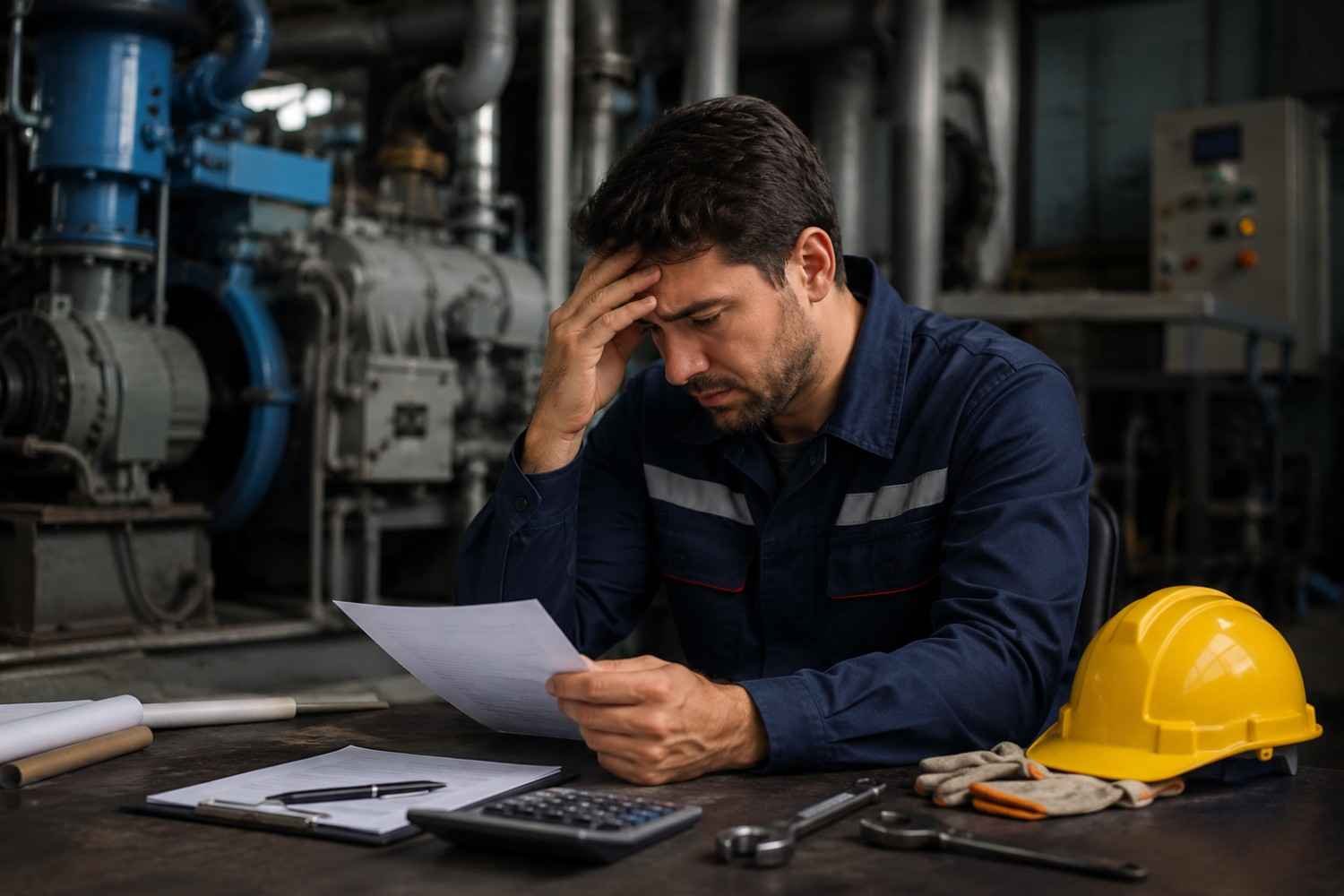
Many people underestimate how much routine upkeep affects the total cost of owning a property. A material that seems affordable at installation can become expensive when repainting, sealing, repairs, and replacements are added over the years.
Labor costs have increased significantly, and even minor repairs often require professional assistance. For larger properties, maintenance expenses can quickly become a major operating cost. Industry estimates suggest that choosing durable construction materials can reduce lifetime maintenance expenses by as much as 40%, making the upfront investment easier to justify.
There’s also the hidden cost of time. Scheduling contractors, managing repairs, and dealing with disruptions can take valuable hours away from work, family, or other responsibilities. More property owners now view low-maintenance building materials as a way to protect both their finances and their time.
What Makes a Building Material Low Maintenance?
Not all materials perform equally over time. The most effective low maintenance building materials share several important characteristics.
Durability
Strong materials resist everyday wear and tear, reducing repair frequency and extending service life.
Weather Resistance
Materials that can withstand moisture, UV exposure, temperature fluctuations, and severe weather conditions tend to require less upkeep.
Moisture Protection
Water damage remains one of the most common causes of property deterioration. Materials designed to resist moisture help preserve structural integrity and minimize repair costs.
Long-Term Performance
The best materials maintain their appearance and functionality for decades with minimal intervention, resulting in lower lifecycle costs and better return on investment.
Building Materials That Reduce Maintenance Are Changing Construction Decisions
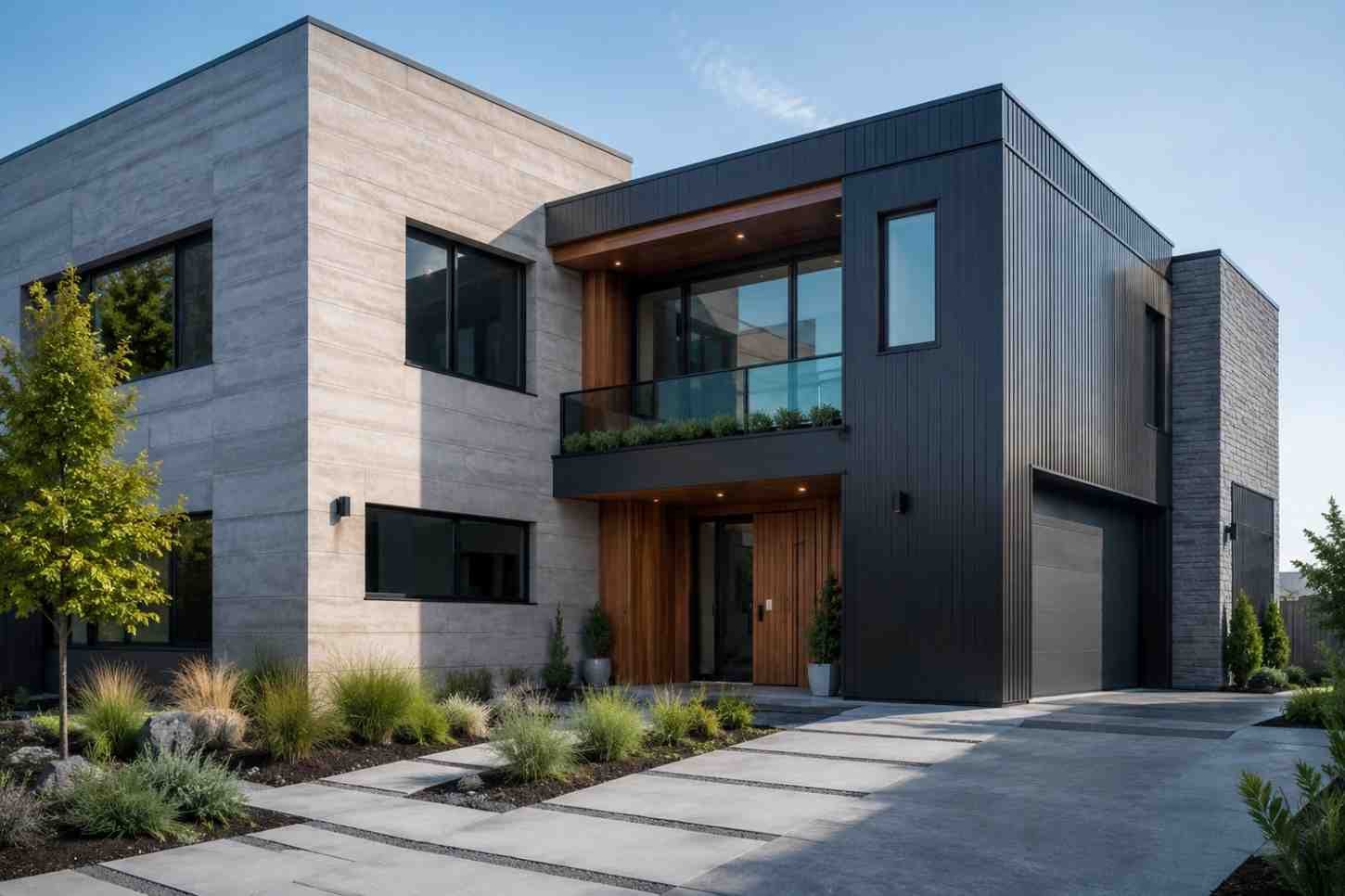
Several modern materials have emerged as popular choices for owners focused on long-term value.
Fiber Cement Siding
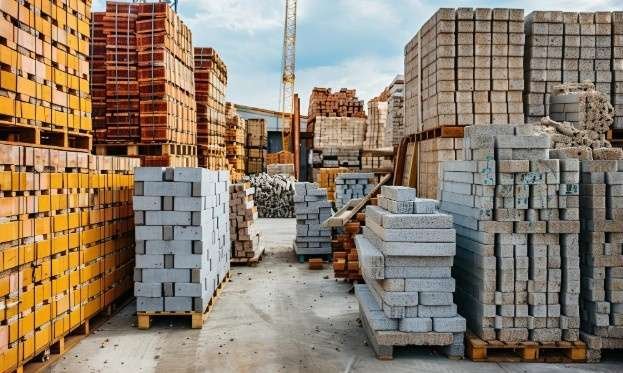
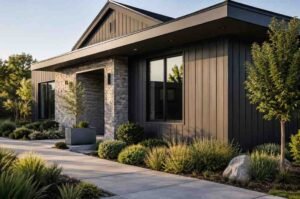
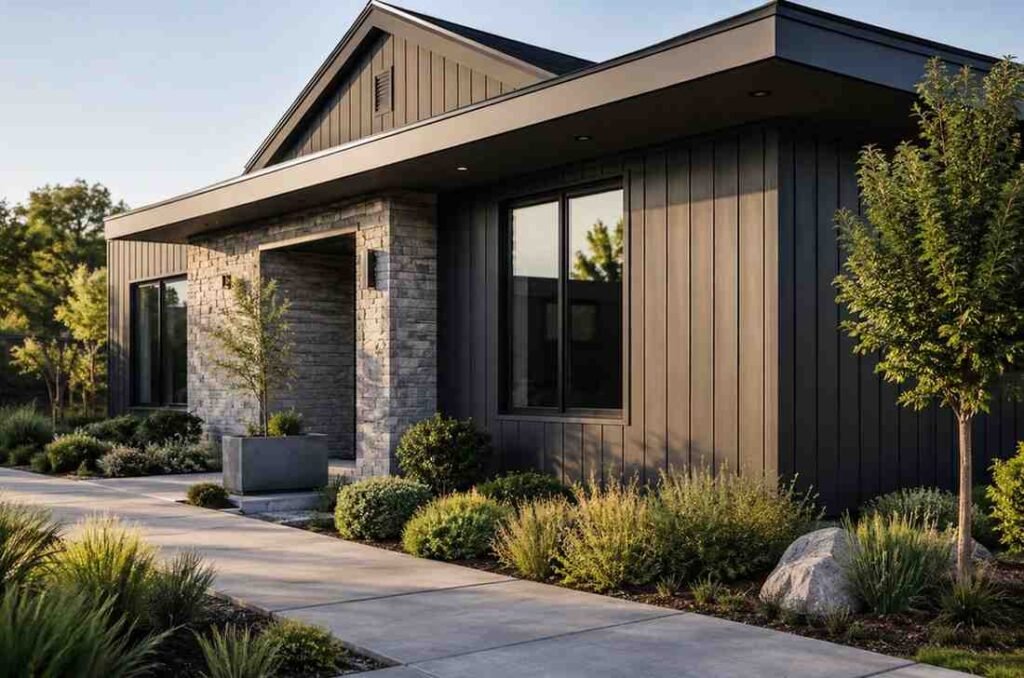
Fiber cement siding has become a preferred alternative to traditional wood siding. It replicates the appearance of natural wood while offering superior resistance to rot, termites, moisture, and fire.
Unlike wood, it does not require frequent staining or refinishing. This combination of durability and aesthetics makes it one of the most cost-effective building materials for exterior applications.
Composite Decking
Traditional wooden decks often require annual sealing, staining, and repairs. Composite decking eliminates much of that workload.
Manufactured using recycled wood fibers and plastic materials, composite decking resists splintering, warping, and fading. Most homeowners only need occasional cleaning with soap and water to keep it looking its best.
Metal and Concrete Tile Roofing
Roofing materials play a major role in long-term property maintenance. Metal roofing and concrete tile systems can last more than 50 years while offering exceptional weather resistance.
These roofing materials reduce the likelihood of leaks, storm damage, and premature replacement. Their durability also contributes to lower operational costs over the life of the building.
Quartz Countertops
Quartz countertops continue to gain popularity in residential and commercial spaces because of their non-porous surface.
Unlike some natural stone options, quartz resists staining, scratching, and moisture absorption without requiring periodic sealing. For busy households and harsh environments, that translates into fewer maintenance concerns.
Luxury Vinyl Plank Flooring
Engineered luxury vinyl plank, often called LVP, offers the appearance of hardwood while providing greater resistance to water, scratches, and daily wear.
Property owners managing rentals or households with pets often appreciate its durability and ease of maintenance. It delivers a polished appearance without the upkeep requirements associated with natural wood flooring.
Looking Beyond the Purchase Price
One reason building materials that reduce maintenance continue gaining popularity is the growing focus on total cost of ownership.
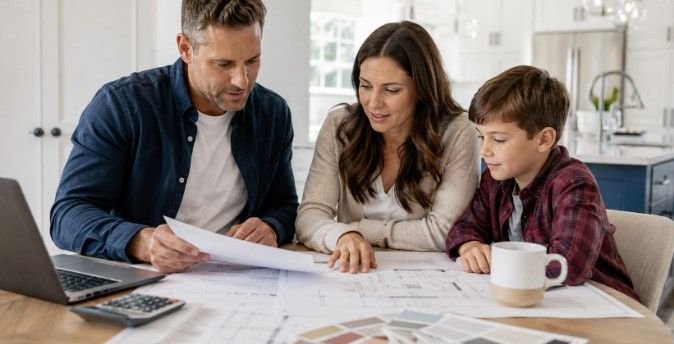
The initial price of a product tells only part of the story. Maintenance expenses, repair frequency, replacement cycles, and labor costs all contribute to the overall financial picture.
A material that costs more upfront may deliver significantly greater value over a 20- or 30-year period. This approach aligns with how many developers and facility managers now evaluate construction durability and asset preservation.
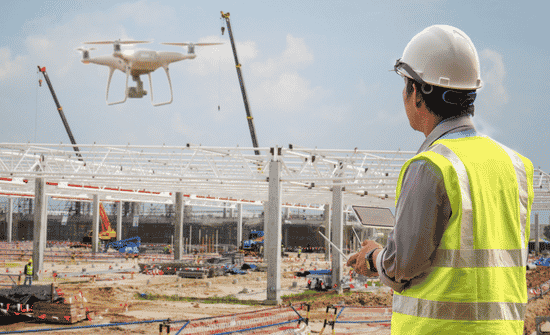
When durable materials are combined with modern equipment solutions, property owners can further improve operational efficiency while reducing long-term maintenance demands across residential and commercial projects.
Benefits for Residential and Commercial Property Owners
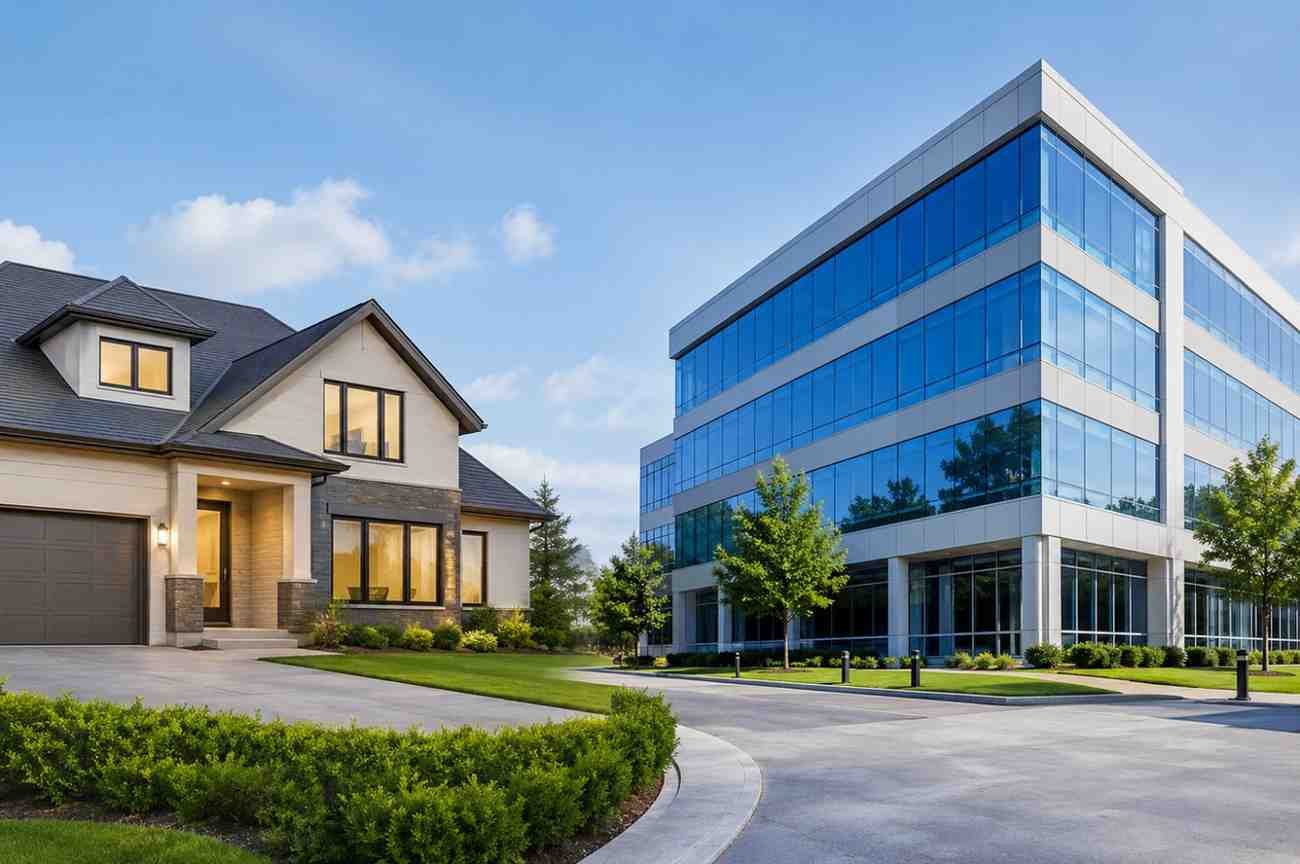
The advantages extend far beyond simple cost savings.
Improved Property Value
Properties built with durable, long-lasting building materials often attract stronger buyer interest. Research suggests that homes and commercial buildings featuring resilient materials can command resale premiums ranging from 15% to 25%.
Buyers recognize the value of reduced maintenance responsibilities and lower future repair costs.
Fewer Operational Disruptions
For commercial buildings, maintenance activities can interfere with daily operations. Choosing durable exterior building materials helps minimize downtime and reduces interruptions for tenants, employees, and customers.
Better Asset Protection
Every property represents a significant financial investment. Materials designed for longevity help preserve appearance, functionality, and market value over time.
FAQs: Why More Property Owners Are Choosing Building Materials That Reduce Maintenance
1. What are the best building materials that reduce maintenance?
Fiber cement siding, composite decking, metal roofing, concrete tile roofing, quartz countertops, and luxury vinyl plank flooring are among the most popular low-maintenance options available today.
2. Do low-maintenance materials cost more initially?
In many cases, yes. However, the reduced repair, replacement, and labor costs often result in lower overall ownership expenses over time.
3. Can low-maintenance materials increase property value?
Yes. Properties built with durable construction materials often appeal to buyers because they require less upkeep and offer better long-term performance.
4. Are low-maintenance materials environmentally friendly?
Many are. Longer-lasting materials reduce waste, require fewer replacements, and often incorporate recycled content or energy-efficient features.
Why Durability Has Become a Bigger Priority Than Ever
Property owners are increasingly thinking beyond immediate construction budgets and focusing on what happens years after a project is completed. The appeal of building materials that reduce maintenance goes beyond saving money. It includes protecting property value, reducing stress, improving operational efficiency, and creating buildings that continue performing well despite changing weather conditions and rising labor costs. As maintenance expenses continue to climb, durable materials are becoming less of a luxury and more of a practical necessity.
The buildings that age gracefully are rarely the ones built for the lowest upfront cost. They’re the ones built to last.