

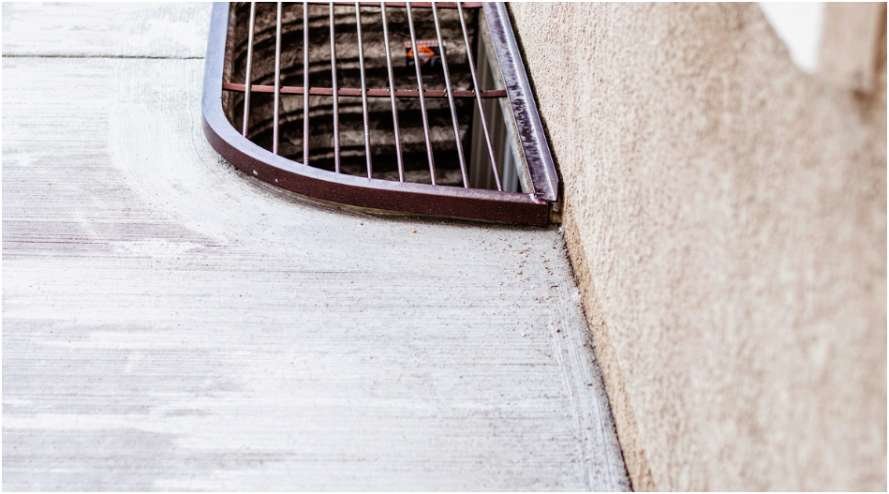


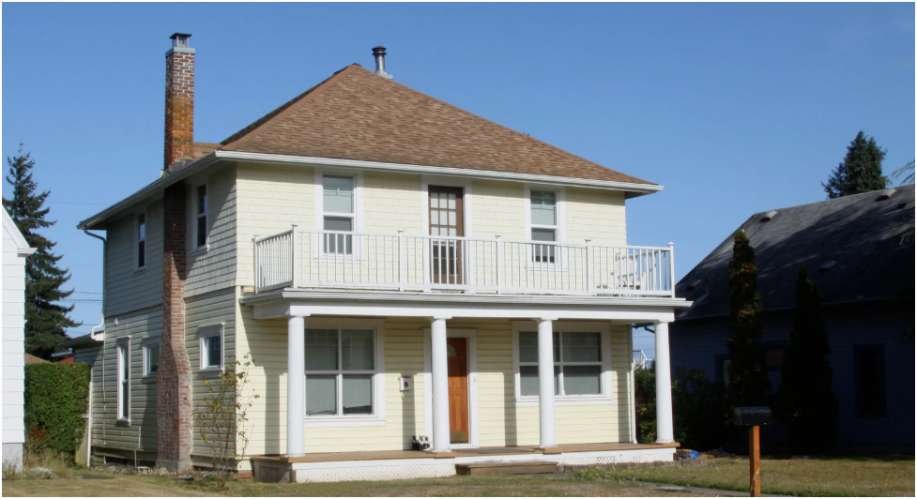
I learned fast that an older house rarely fails overnight. It whispers first. A slow gutter overflow, a stiff shutoff valve, a hairline plaster crack, or a dusty HVAC filter can all turn into expensive work if ignored. That is why how to maintain an older home without major repairs comes down to steady routines, not panic fixes.
An older home needs active care. I do not wait for a ceiling stain or a furnace breakdown to tell me something is wrong. I look for small signs early, then handle them before they become a contractor-sized problem.
Why Older Home Maintenance Starts Before Something Breaks
Older homes were often built with durable materials, but those materials need different care than newer construction. Wood siding, plaster walls, older masonry, aging plumbing, and long-serving mechanical systems can last for decades when moisture, strain, and neglect stay under control.
My rule is simple: protect the house from water first, reduce stress on systems second, and monitor surfaces third. That order works because water causes the most silent damage. It rots wood, weakens finishes, invites mold, and can make minor exterior issues look like structural problems.
The best approach is not a giant annual repair weekend. It is a rhythm. I prefer small monthly checks, seasonal exterior maintenance, and one written home journal. A notebook or phone note with dates, photos, and repair details can reveal patterns. If the same crack grows after every heavy storm, the wall is not the first problem. The water path is.
Moisture Control for Older Homes
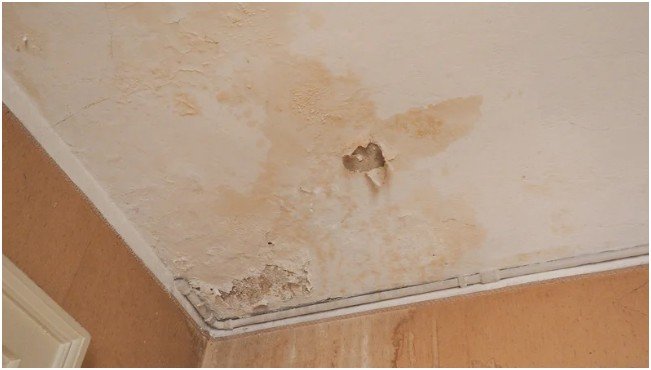
Moisture control is the heart of how to maintain an older home without major repairs. Older houses often have more vulnerable rooflines, basements, crawl spaces, wood trim, and plaster surfaces. Once water gets behind those areas, repair costs rise quickly.
Clean Gutters and Extend Downspouts
I clean gutters at least twice a year, usually in spring and fall. If trees sit close to the roof, I check them more often. Clogged gutters let rainwater spill over the edge, soak fascia boards, stain siding, and collect near the foundation.
Downspouts matter just as much as gutters. I extend mine at least six feet away from the foundation whenever possible. This keeps roof runoff from pooling near basement walls or crawl spaces. After a heavy rain, I walk the perimeter and look for puddles, splash marks, soil erosion, or damp foundation lines.
That short walk tells me more than any guesswork.
Inspect the Roof Before a Leak Becomes a Room Problem
I inspect the roof from the ground twice a year and after major storms. I look for missing, cracked, lifted, or curling shingles. I also check flashing around chimneys, vents, valleys, and skylights.
A tiny roof defect can soak attic insulation long before water reaches the ceiling. By the time a brown stain appears indoors, the leak may have been active for weeks. A semi-annual roof check protects plaster, framing, insulation, and paint at the same time.
Refresh Caulking, Grout, and Wet-Area Seals
Bathrooms and kitchens create hidden water problems. I check caulking around tubs, showers, sinks, backsplashes, and exterior windows. If caulk is cracked, loose, or dark with mildew, I remove and replace it instead of layering new caulk on top.
Grout also needs attention. Missing grout around tile can send water behind walls or under floors. A simple refresh can prevent swollen subflooring, loose tile, and moldy wall cavities.
Preventative Home Maintenance for Structure and Exterior
Older building materials are not weak. They are just less forgiving when sealed, soaked, or ignored. The goal is to protect original materials while letting the house dry properly.
Use Breathable Paints on Older Materials

When touching up old plaster, masonry, or wood siding, I avoid treating paint like decoration only. Paint is part of the moisture system. Some older materials need breathable coatings that let trapped vapor escape.
Before repainting exterior wood, I look for the cause of peeling. Failed paint often points to moisture from bad gutters, poor ventilation, cracked siding, or failing caulk. Painting over that problem only hides it until the next failure.
Seal Gaps Without Trapping Hidden Moisture
Small gaps around windows, doors, trim, utility penetrations, and foundation lines invite drafts, insects, and rodents. I seal stationary gaps with caulk and use weatherstripping on moving parts like doors and operable windows.
Still, I do not seal blindly. Older homes need balanced airflow. If a basement, attic, or crawl space already smells musty, I fix water entry and ventilation before tightening everything. A dry house can be sealed. A damp house needs diagnosis first.
Track Plaster Cracks Like Clues
Plaster cracks do not always mean disaster. Some are cosmetic. Others are messages. I photograph cracks and write down the date. If a crack widens, returns after repair, or appears near a ceiling stain, I look higher and outside first.
Many interior cracks connect to roof leaks, gutter overflow, foundation moisture, or seasonal movement. Tracking them helps me avoid patching the same symptom again and again.
Plumbing and HVAC Maintenance That Prevents Big Repairs
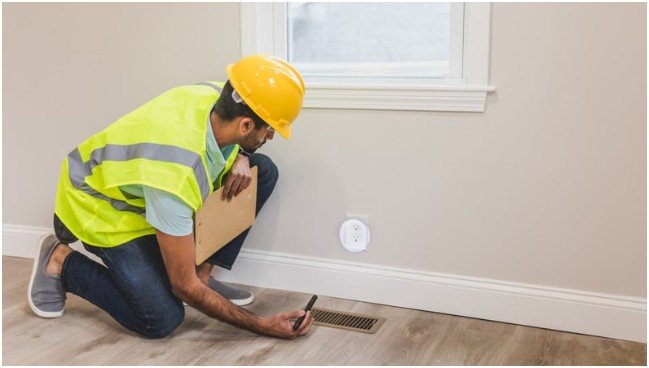
Old systems usually fail when they work too hard for too long. Preventative home maintenance keeps pressure, heat, sediment, and airflow under control.
Exercise Water Valves Once a Year
I turn the main water shutoff and under-sink shutoff valves fully open and closed once a year. This keeps them from seizing. A working shutoff valve can save flooring, cabinets, and walls during a leak.
I do this gently. If a valve feels brittle, corroded, or ready to snap, I stop and call a plumber. Forcing an old valve can create the emergency I was trying to prevent.
Replace HVAC Filters Before the System Strains
I check HVAC filters monthly during heavy heating and cooling seasons. Dirty filters restrict airflow, force the system to work harder, and can shorten equipment life.
This is one of the cheapest habits in older home maintenance. I write the replacement date on the filter frame before installing it. That small note removes the guesswork.
Flush the Water Heater and Watch for Sediment
I flush the water heater annually, unless the manufacturer says otherwise. Sediment can build up inside the tank, reduce efficiency, and add stress to the system. I also look for rust, leaks, popping noises, and inconsistent hot water.
If the unit is older, I ask a plumber about the anode rod and temperature-pressure relief valve. Those small parts can affect safety and tank life.
Home Safety Checklist for Older Houses
A well-maintained older home should also be safe to live in. I treat safety checks as maintenance, not extras.
Test Smoke and Carbon Monoxide Alarms

I test smoke and carbon monoxide alarms every month. I replace backup batteries once a year, unless the unit has sealed long-life batteries. I also check alarm age because many smoke alarms need replacement after about 10 years.
Carbon monoxide alarms matter most near sleeping areas and in homes with fuel-burning appliances. Furnaces, water heaters, gas stoves, fireplaces, and attached garages all raise the need for working CO protection.
Treat Lead Paint and Asbestos With Respect
Many older homes were built before modern material rules. If the house was built before 1978, I assume old paint may contain lead unless testing proves otherwise. I do not sand, scrape, or disturb suspect paint without lead-safe methods.
I treat asbestos the same way. Old pipe wrap, floor tile, ceiling tile, vermiculite insulation, and certain siding or roofing materials may contain asbestos. If the material is intact and undisturbed, leaving it alone may be safer. If renovation will disturb it, I bring in a trained professional.
My 30-Minute Older Home Walkthrough
This is the original routine I use to make how to maintain an older home without major repairs feel manageable.
Once a month, I spend 30 minutes walking the house. Outside, I check gutters, downspouts, siding gaps, foundation moisture, peeling paint, and roof edges. Inside, I check under sinks, around toilets, near the water heater, around windows, and below attic access points. I test alarms, glance at the HVAC filter, and photograph anything that changed.
That routine catches small problems while they are still cheap. It also creates a record. If I ever need a contractor, I can show when the issue started, how it changed, and what I already checked.
FAQs
1. What is the cheapest way to maintain an old house?
The cheapest method is regular moisture control, filter replacement, caulking, valve checks, and monthly visual inspections.
2. How often should I inspect an older home?
Walk through the home monthly, then inspect the roof, gutters, exterior, and wet areas at least twice a year.
3. What causes the most expensive repairs in older homes?
Water damage, roof leaks, foundation moisture, neglected HVAC systems, and outdated plumbing usually create the biggest repair bills.
4. Can I maintain an older home without major repairs myself?
Yes, but hire licensed pros for electrical work, structural issues, gas appliances, lead paint, asbestos, and major plumbing problems.
The Smart Finish: Keep the Charm, Skip the Chaos
An older home does not need constant drama. It needs attention before the drama starts. I would rather spend 30 minutes checking gutters, valves, filters, caulk, plaster, and alarms than spend thousands repairing damage I could have caught early.
The next step is simple: pick one day each month for a home walkthrough. Take photos, write down changes, and fix the smallest issue first. That is how old houses stay charming instead of becoming expensive divas.