


Cold air under a door can make one room feel colder than the rest of the house. I learned this the annoying way, by sitting near an entry door and feeling a steady chill across the floor.
If you are searching for how to stop cold air from coming under doors, start with the gap before buying anything. The right fix may be a door sweep, draft stopper, adjustable threshold, silicone strip, or new weatherstripping around the lower frame.
Why Cold Air Sneaks Under Doors
Cold air usually comes in because the door no longer seals tightly against the threshold. This can happen when the door settles, the threshold wears down, the sweep cracks, or old weatherstripping loses its shape.
Exterior doors work hard. They face rain, snow, heat, foot traffic, pets, and repeated opening. Over time, even a small gap at the bottom can act like a cold-air tunnel.
The U.S. Department of Energy recommends weatherstripping movable parts of the home, including doors, to reduce heating and cooling loss. ENERGY STAR also points to drafts, visible gaps, dust, pests, and outdoor smells as common signs of air leakage.
I do not treat door drafts as a comfort problem only. A leaky entry door can make your heating system work harder, increase dust, invite insects, and make nearby floors uncomfortable.
My 3-Zone Test Before Buying Anything
Before I fix a drafty door, I check three zones. This saves money because the wrong product can leave the real leak untouched.
Zone 1: The Bottom Gap
Close the door and look at the space between the door and the threshold. If daylight shows through, cold air has a direct path inside.
I also use the paper test. Slide a sheet of paper under the door. If it moves freely with no resistance, the bottom seal is too loose. If it tears or jams, the gap may be too tight for a thick sweep.
Zone 2: The Threshold
Many exterior doors have an adjustable threshold. Look for small screws along the sill. These screws raise or lower the threshold.
If the threshold sits too low, the door bottom cannot compress against it. If it sits too high, the door may drag, scrape, or fail to latch.
Zone 3: The Lower Corners and Frame
Cold air often sneaks through the lower corners, even after the bottom gap looks sealed. I check the bottom six inches of both side jambs because weatherstripping often compresses there first.
Run your hand slowly along the frame on a windy day. If the chill comes from the side instead of the bottom, a door sweep alone will not solve it.
Best Permanent Ways to Seal the Bottom of a Door
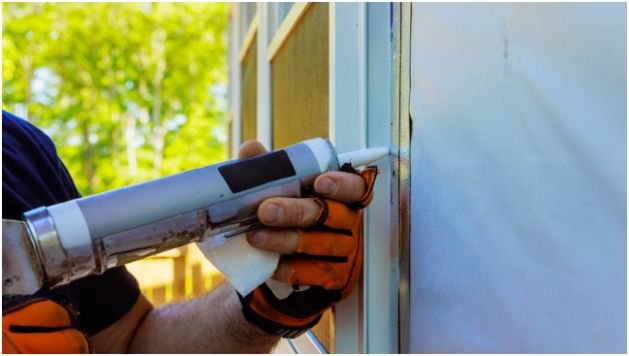
Permanent fixes work best for exterior doors, garage entry doors, basement doors, and any door exposed to frequent winter drafts.
Install a Door Sweep
A door sweep is one of the most effective ways to block cold air at the bottom of a door. It attaches to the inside lower face of the door and seals the gap when the door closes.
For long-term use, I prefer a screw-in aluminum sweep with a rubber or vinyl fin. Self-adhesive sweeps are easier to install, but they can loosen faster on cold, dusty, or uneven surfaces.
To install one, measure the door width, cut the sweep if needed, and hold it against the closed door. The flexible edge should touch the threshold lightly. It should not bend hard or drag across the floor.
Mark the screw holes, drill small pilot holes, and fasten the sweep. Open and close the door several times. If it catches, raise it slightly.
This is usually my first choice for how to stop cold air from coming under doors when the gap is visible and the threshold is still in good condition.
Adjust the Threshold
If your door has an adjustable threshold, try this before installing anything new. A few turns can make a large difference.
Use a screwdriver to turn the threshold screws counterclockwise to raise the sill. Make small adjustments, then close the door and check the seal. You want firm contact, not pressure that makes the door hard to close.
A good threshold adjustment can stop cold air without changing the look of the door. It also helps the door sweep work better if you decide to add one.
Apply a Silicone Sealing Strip
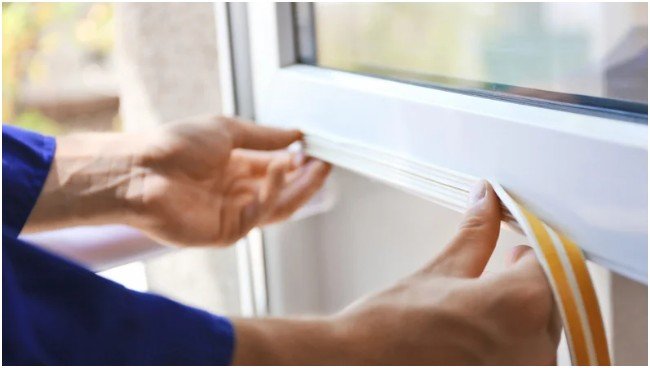
A flexible silicone sealing strip can help when the door bottom has a narrow gap. It is useful for renters or homeowners who want a cleaner look than a bulky sweep.
Clean the door surface first. Dirt, old adhesive, and moisture can ruin the bond. Measure the width, cut the strip, peel the backing, and press it firmly along the bottom edge.
Give the adhesive time to set before heavy use. On high-traffic entry doors, I still prefer a screw-in sweep, but silicone strips can work well for light drafts.
Quick Fixes That Work Without Tools
Not every door needs a hardware-store project. Sometimes you need a same-day fix before guests arrive or before the temperature drops overnight.
Use a Twin Draft Stopper
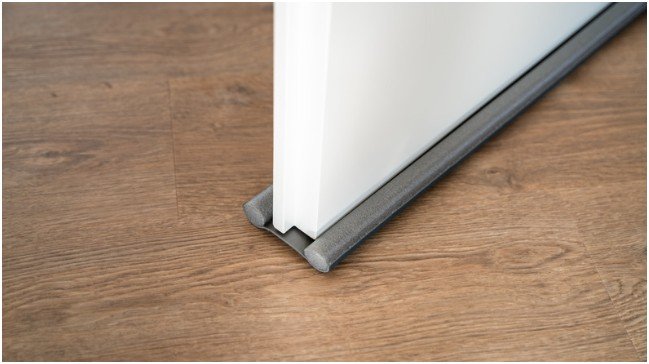
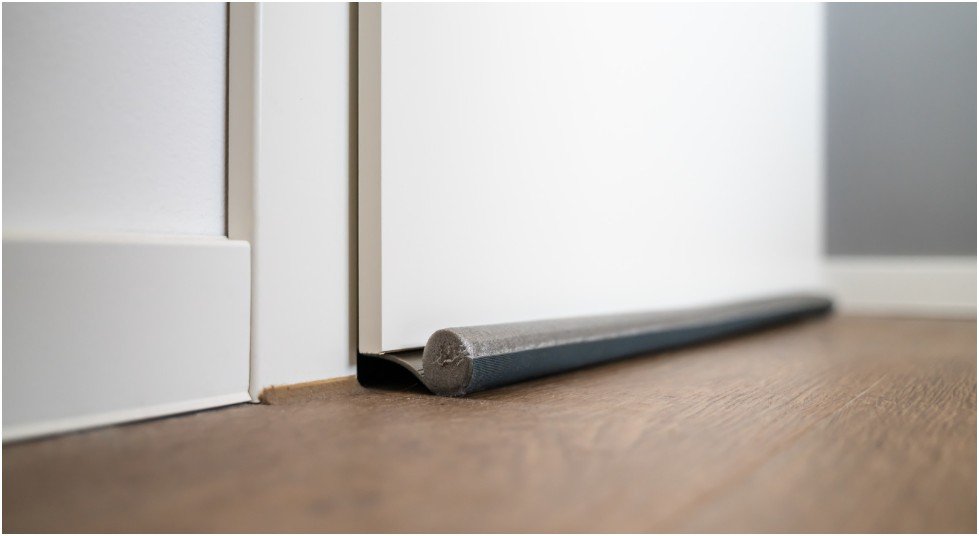
A twin draft stopper slides under the door and has foam or fabric cylinders on both sides. It moves with the door, which makes it more convenient than a loose towel.
This works well for bedrooms, apartments, basement doors, and interior doors near cold hallways. It is also renter-friendly because it does not require screws or adhesive.
Choose one that fits your door thickness. If it is too loose, it will shift. If it is too tight, the door may be hard to open.
Try a Weighted Door Snake
A weighted door snake is a fabric tube filled with sand, dried beans, rice, or insulation. You place it against the base of the door to block the draft.
I like this option for older homes because uneven floors can make rigid products tricky. A soft weighted snake molds to small dips better than a hard sweep.
The downside is simple. You must move it every time you open the door unless it has a strap or attached design.
Use the Towel Trick Temporarily
A rolled towel is the fastest zero-cost fix. Roll a thick, dry towel and push it against the bottom crack.
This is not a permanent solution. It can move, collect moisture, and look messy. Still, it helps in an emergency and proves whether the bottom gap is the main source of cold air.
If the room feels warmer after using the towel, install a better bottom seal later.
Do Not Ignore the Door Corners
The lower corners are the sneakiest part of a drafty door. Many people seal the bottom and still feel cold air because the corners remain open.
Check the compression weatherstripping along the side jambs. If it looks flat, cracked, torn, or loose, replace it. New weatherstripping should compress when the door closes.
Foam corner wedges can also help. These small pieces fit behind or near the lower side seals where the threshold and jamb meet. They block the tiny triangular gaps that sweeps often miss.
If you are already know how to fix drafts around doors and windows, this corner check matters. Window leaks and door leaks often come from the same issue: small gaps that let moving air bypass the main seal.
When a Door Sweep Is Not Enough
Sometimes the cold air is a symptom of a bigger door problem. A sweep can hide the issue for a while, but it will not fix a warped slab, rotted threshold, damaged frame, or poorly installed door.
Look for signs like peeling paint near the frame, water stains, soft wood, loose hinges, visible daylight on the latch side, or a door that no longer closes evenly.
Tighten hinge screws if the door sags. Replace damaged weatherstripping if it no longer springs back. Caulk small gaps around the outside trim if air is leaking behind the frame.
For larger gaps around the rough opening, non-expanding foam, backer rod, or proper caulking may be needed. Avoid overfilling with expanding foam near a door frame because too much pressure can distort the frame.
Common Mistakes That Make Door Drafts Worse
The biggest mistake is buying the thickest sweep without measuring the gap. A sweep that drags too hard can damage flooring, stress hinges, and make the door difficult to close.
Another mistake is sealing only the inside while ignoring exterior water problems. If the threshold is cracked or the exterior caulk has failed, moisture can enter and create more damage.
Do not layer several adhesive strips over old adhesive. Remove the old material, clean the surface, and start fresh.
Also avoid blocking a required ventilation gap on doors that serve mechanical rooms. Some utility areas need airflow for safety and proper appliance performance.
FAQs
1. What is the cheapest way to stop cold air under a door?
A rolled dry towel or weighted door snake is the cheapest short-term fix for blocking cold air under a door.
2. Is a door sweep better than a draft stopper?
A door sweep is better for permanent sealing, while a draft stopper is better for quick, renter-friendly comfort.
3. Why is cold air still coming in after I installed a door sweep?
The air may be leaking through the lower corners, side weatherstripping, threshold, hinges, or gaps around the frame.
4. How do I know which door draft product to buy?
Measure the bottom gap first, check the threshold, and choose a sweep, stopper, or sealing strip based on the size and location of the leak.
Shut the Door on That Sneaky Breeze
Cold air has no manners. It slips through the smallest gap and makes your heating system do extra work.
My best advice is simple: diagnose before you buy. Check the bottom gap, threshold, lower corners, and frame. Then choose the fix that matches the leak.
For most exterior doors, a screw-in door sweep plus fresh side weatherstripping gives the strongest result. For renters or quick comfort, a twin draft stopper or weighted door snake works fast.
Once you know how to stop cold air from coming under doors, the repair becomes less frustrating. Start with one door, seal it properly, and then check the next drafty spot before winter makes itself comfortable.