



When your house feels hotter inside than outside, the problem usually starts hours earlier. The fastest way I have learned how to keep a house cool in summer naturally is to stop heat before it builds up, not fight it after every room feels baked.
Natural cooling works best when the house follows a daily rhythm. Block solar heat during the day. Flush trapped heat at night. Move air with purpose. Reduce indoor heat from lights, appliances, and moisture. This approach feels simple, but it can change how your home handles summer.
Start With the Real Rule: Stop Heat Before It Gets In
A cool house starts at the windows. Glass lets in sunlight, and sunlight quickly becomes indoor heat. I treat every sunny window like a heat leak during summer.
Block Sun Before It Hits the Glass
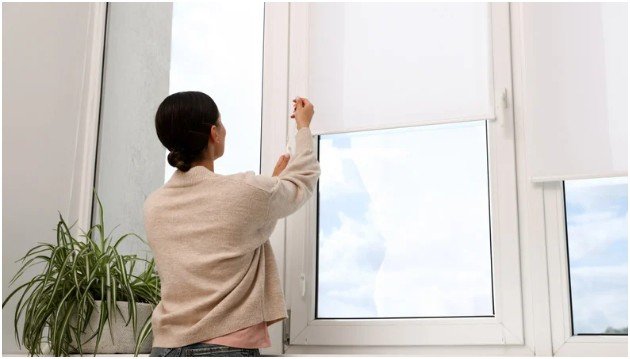
Close blinds, curtains, or shades before direct sun reaches the window. Waiting until the room feels hot is too late because the floor, furniture, and walls have already absorbed heat.
West-facing rooms need the most attention in the afternoon. South-facing windows also collect strong sun for much of the day. I like to close those rooms in the morning, then reopen them later when the sun shifts.
External shade works even better. Awnings, porch roofs, outdoor shutters, bamboo screens, shade sails, and leafy trees stop sunlight before it touches the glass. That matters because heat blocked outside never becomes a problem inside.
Use Light Window Coverings and Reflective Film
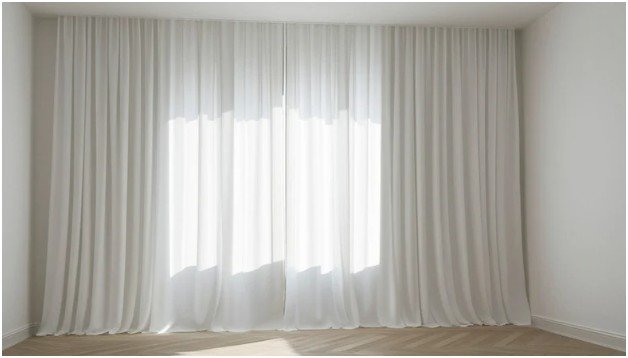
Choose white, cream, or light-colored window coverings for summer. Dark curtains may look stylish, but they absorb heat and release it into the room.
Reflective window film can also help in hot rooms that get harsh sun. It reduces solar heat gain while keeping some natural light. This is especially useful for rentals because many films are removable.
For a stronger upgrade, cellular shades are worth considering. They create trapped air pockets that slow heat transfer through the window. In sunny rooms, that can make the space feel calmer during peak heat.
Use Night Flushing to Reset Indoor Temperature
Night flushing sounds technical, but the habit is easy. You keep the house sealed during hot hours, then open it when outdoor air becomes cooler than indoor air.
Close the House During Peak Heat
During late morning and afternoon, close windows, blinds, and doors. This feels strange if you grew up opening windows for “fresh air,” but hot air is not helpful fresh air.
I also close interior doors to rooms that get the most sun. This keeps one hot room from spreading heat through the house.
If your home has gaps around exterior doors, cooling efforts become harder. A useful tip to know how to stop cold air from coming under doors because the same sealing logic helps control unwanted summer heat too.
Open Windows When Outdoor Air Finally Drops
Open windows wide in the evening, overnight, or early morning when outdoor air is cooler. This pushes out trapped heat and cools the structure of the house.
The best time depends on your climate. In dry Western states, night air often cools quickly. In humid Southern or coastal areas, night flushing may help less because damp air can make rooms feel sticky. Use a small thermometer or weather app instead of guessing.
Create Cross-Ventilation That Actually Works
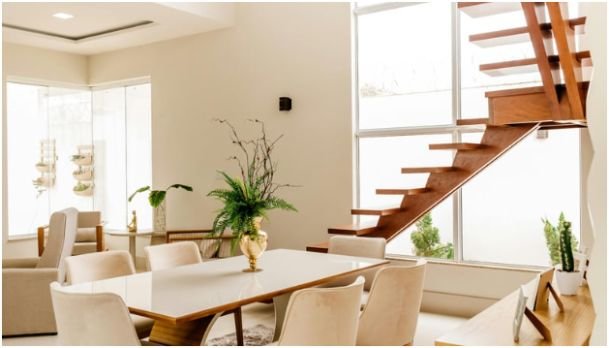
Opening one window rarely cools a home. You need a clear path for air to enter and leave.
Build a Breeze Path Across the House
Open windows on opposite sides of the house. Air should enter from one side and exit from another. This creates a breeze corridor through living areas, halls, or bedrooms.
Keep interior doors open along that path. Move large furniture away from windows if it blocks airflow. Even a small change can improve movement.
If the wind is weak, use one fan to help pull air through the path. Place it near the exit window, not in the middle of the room.
Use the Chimney Effect to Push Hot Air Out
Warm air rises, so upper floors and loft spaces collect heat. You can use this natural movement to your advantage.
Open lower windows on the cooler or windward side of the home. Then open a higher window, upstairs window, skylight vent, or loft hatch on the opposite side. Cooler air enters low, while hot air escapes high.
This stack effect works best in homes with staircases, high ceilings, or upper vents. I find it especially helpful after sunset when upstairs bedrooms still hold heat.
Make Fans Work Smarter, Not Harder
Fans do not lower room temperature like air conditioning. They cool people by moving air across skin and helping sweat evaporate. That means placement matters.
Set Ceiling Fans the Right Way
In summer, run ceiling fans counterclockwise. This pushes air downward and creates a wind-chill effect. You should feel the breeze when standing under the fan.
Turn fans off when leaving a room. A fan cools people, not empty spaces. Running it all day in an unused room only adds a little motor heat and wastes electricity.
Exhaust Hot Air From Upper Floors
If upstairs rooms feel trapped and heavy, place a box fan in an upper window facing outward. This pulls hot air out instead of just stirring it around.
At the same time, open a lower window on the cooler side of the house. This creates a simple intake-and-exhaust system. The result feels much better than aiming every fan inward.
Use Natural Cooling Hacks Without Making Rooms Humid
Evaporative cooling can help, but it works best in dry air. In humid climates, too much moisture can make the house feel worse.
Try Ice, Damp Cotton, Clay, or Khus Screens
Place a bowl of ice or a frozen water bottle in front of a fan for short-term relief. It will not cool the whole house, but it can make a desk, sofa, or sleeping area feel better.
A damp cotton sheet near an open evening window can cool incoming air as it passes through. Traditional clay pots filled with water or watered khus curtains can also soften hot, dry air.
Use these methods carefully. They are best for dry heat, not muggy weather.
Control Moisture From Cooking and Showers
Humidity makes heat feel stronger. Run bathroom fans during and after showers. Use kitchen exhaust fans when cooking.
Avoid boiling water, baking, or using the oven during the hottest part of the day. If possible, cook early, grill outside, use a microwave, or prepare cold meals.
Natural cooling fails when the house keeps producing heat and moisture from inside.
Cut Heat From Inside the House
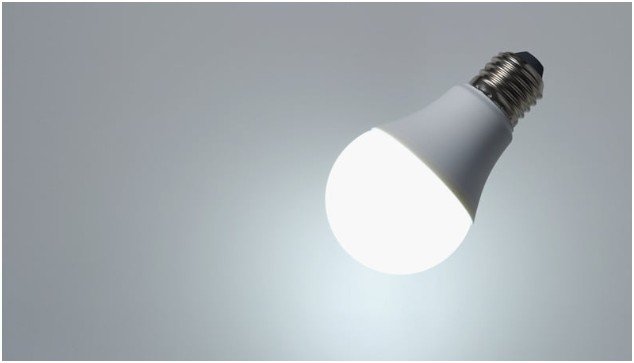
Once you block outdoor heat, look at what your home creates indoors. Small heat sources add up fast.
Switch Bulbs, Appliances, and Electronics
Replace incandescent bulbs with LEDs. Older bulbs waste much of their energy as heat, while LEDs produce light more efficiently.
Run dishwashers, dryers, and laundry machines in the evening. Turn off gaming consoles, desktop computers, chargers, and unused screens. Standby electronics still release heat.
This is one of the easiest ways to keep a room cooler without buying another device.
Strip Heavy Textiles and Add Greenery
Remove thick rugs, heavy throws, velvet pillows, and dense curtains during summer. Bare tile, stone, or wood floors feel cooler because they do not trap heat like heavy fabrics.
Indoor plants can also help a little through transpiration. Aloe vera, snake plants, pothos, and areca palms add moisture slowly and make rooms feel fresher. Do not overwater them, especially in humid homes.
Outdoors, trees and shrubs offer stronger cooling because they shade walls, patios, and windows before heat enters the home.
My Simple 24-Hour Summer Cooling Routine
The easiest way to remember how to keep a house cool in summer naturally is to follow the clock.
In the early morning, I open windows and let cooler air move through the house. Before the sun hits the glass, I close the sunny-side blinds and windows. During afternoon heat, I keep the house shaded, avoid heat-heavy appliances, and use fans only in occupied rooms.
After sunset, I check the outdoor temperature. Once it drops below the indoor temperature, I open opposite windows and use one fan to push hot air out. Before bed, I keep the airflow safe, controlled, and focused on bedrooms.
This routine works because it respects the heat cycle. You are not reacting randomly. You are managing when heat enters, where air moves, and how fast the house releases stored warmth.
FAQs About Keeping a House Cool Naturally
1. What is the fastest way to cool a house naturally?
Open windows only when outdoor air is cooler, use cross-ventilation, and place one fan facing outward to exhaust hot indoor air.
2. Should windows be open or closed during summer heat?
Keep windows closed during peak heat, then open them at night or early morning when outdoor air is cooler.
3. Do plants really help keep a house cool?
Indoor plants help slightly through transpiration, but outdoor trees and shaded landscaping have a much stronger cooling effect.
4. How to keep a house cool in summer naturally without AC?
Block direct sun, use night flushing, create cross-ventilation, reduce appliance heat, run fans correctly, and control indoor humidity.
Cool House, Hot Summer, Zero Drama
A naturally cooler home is not about one magic trick. It is about timing, shade, airflow, and fewer indoor heat sources working together.
I always start with the windows because that is where summer heat usually wins first. Then I use night air, fans, lighter fabrics, cooler lighting, and smarter appliance timing to keep the house comfortable.
My sassiest summer rule is simple: do not invite heat in, then complain it stayed for dinner. Block it early, flush it late, and let your home breathe when the air finally behaves.