

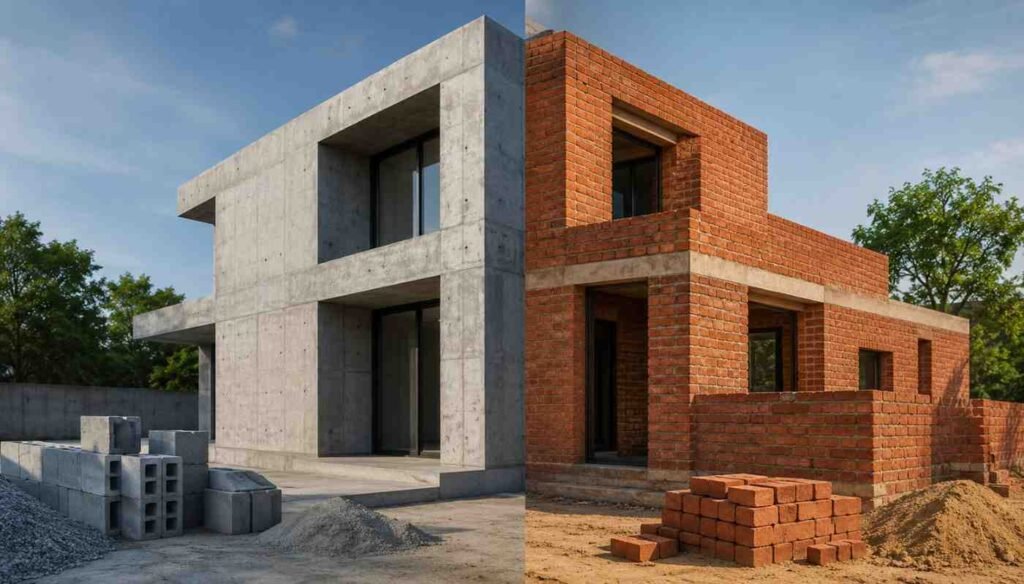
When people compare building materials, appearance usually gets most of the attention. A brick home feels timeless and familiar, while concrete often carries a modern, durable image. But once construction begins, the decision becomes about much more than curb appeal.
The choice between concrete and brick affects everything from energy efficiency and maintenance costs to structural performance and long-term property value. Understanding what happens behind the walls can help homeowners, builders, and investors make smarter decisions that pay off for decades.
Understanding the Basics
What Is Concrete Construction?
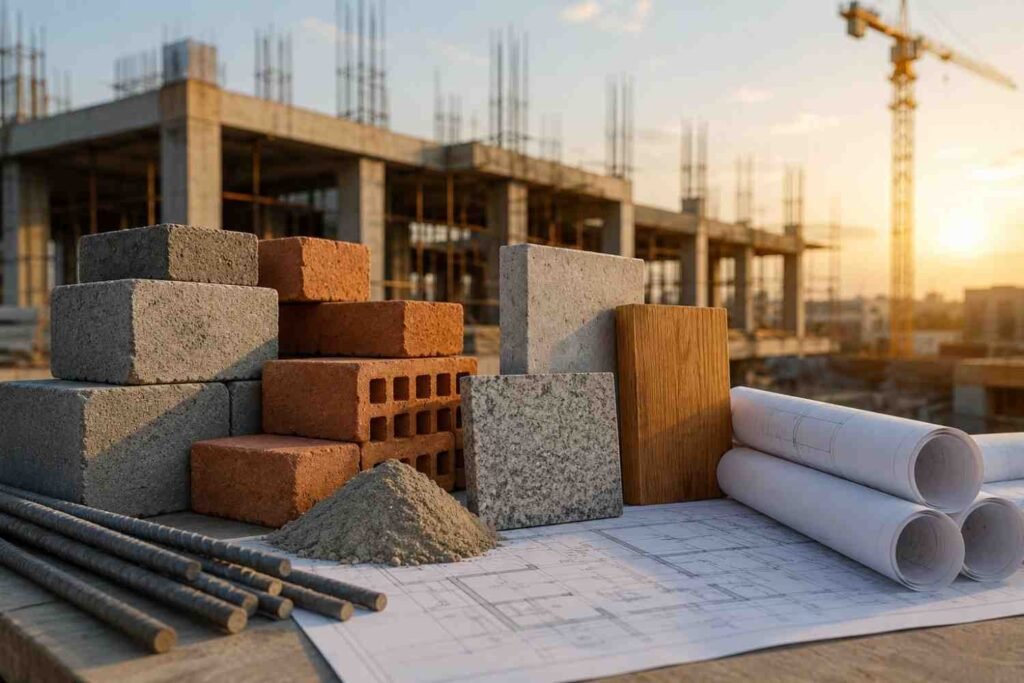
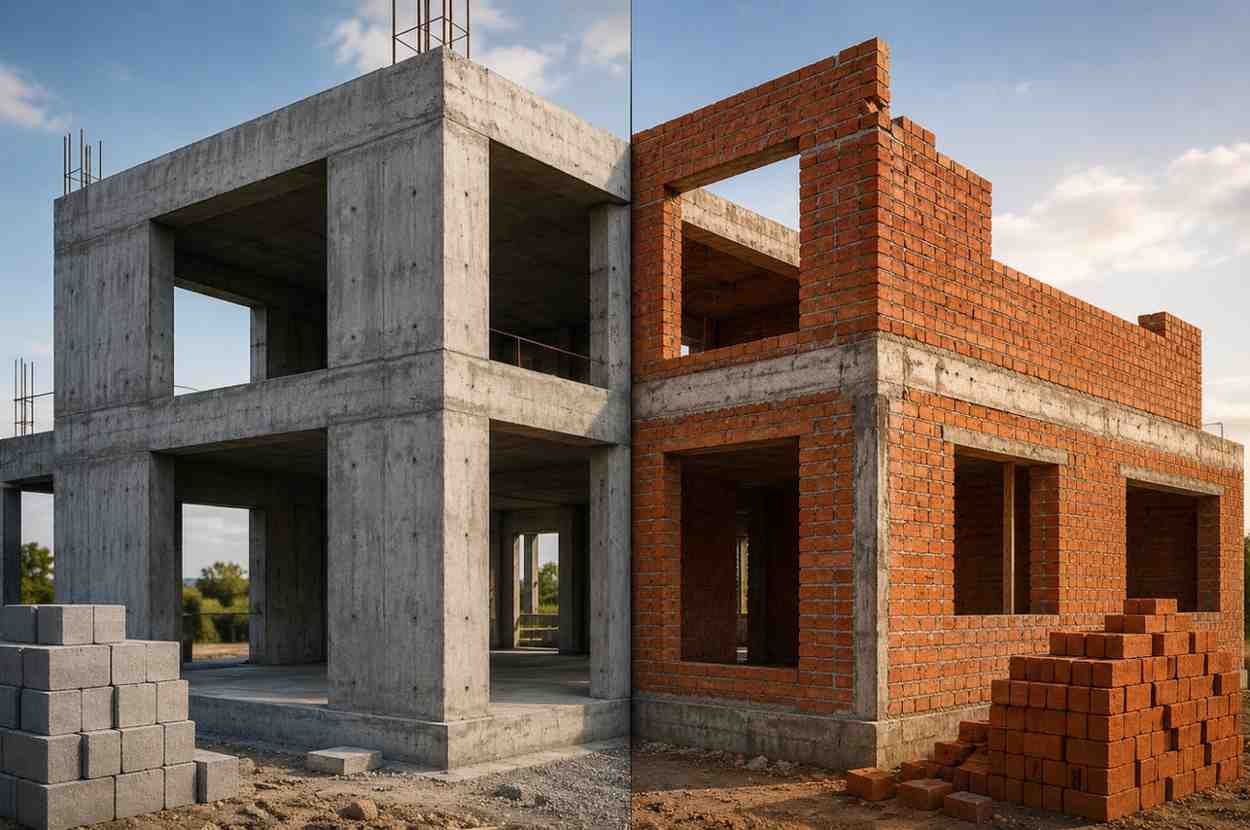
Concrete is a mixture of cement, aggregates, and water that hardens into a solid mass. Builders often reinforce it with steel rebar to improve tensile strength and create structures capable of supporting substantial loads.
Because it can be poured into various forms, concrete offers exceptional design flexibility. It is commonly used in foundations, walls, commercial buildings, and modern residential construction.
What Is Brick Construction?
Brick construction relies on individual clay blocks joined together with mortar. Each brick contributes to the overall strength of the wall, creating a durable system that has been used for centuries.
Brick masonry remains popular because of its classic appearance, natural thermal properties, and impressive lifespan. Many historic brick buildings continue to stand long after newer structures have required significant repairs.
Strength and Structural Performance
When comparing raw structural strength, concrete typically comes out ahead.
Concrete can withstand extremely high compressive loads and, when reinforced with steel, performs well against both vertical and lateral forces. This makes it a preferred choice for multi-story buildings, large foundations, and structures located in demanding environments.
Brick also performs well under compression, but its strength comes from the combined support of individual units. The material itself is relatively brittle and less effective at handling tension. In areas prone to earthquakes or severe lateral movement, brick structures often require additional reinforcement to meet modern building standards.
For projects where structural integrity and engineering flexibility are priorities, concrete generally offers more options.
Cost Is More Complicated Than the Initial Quote
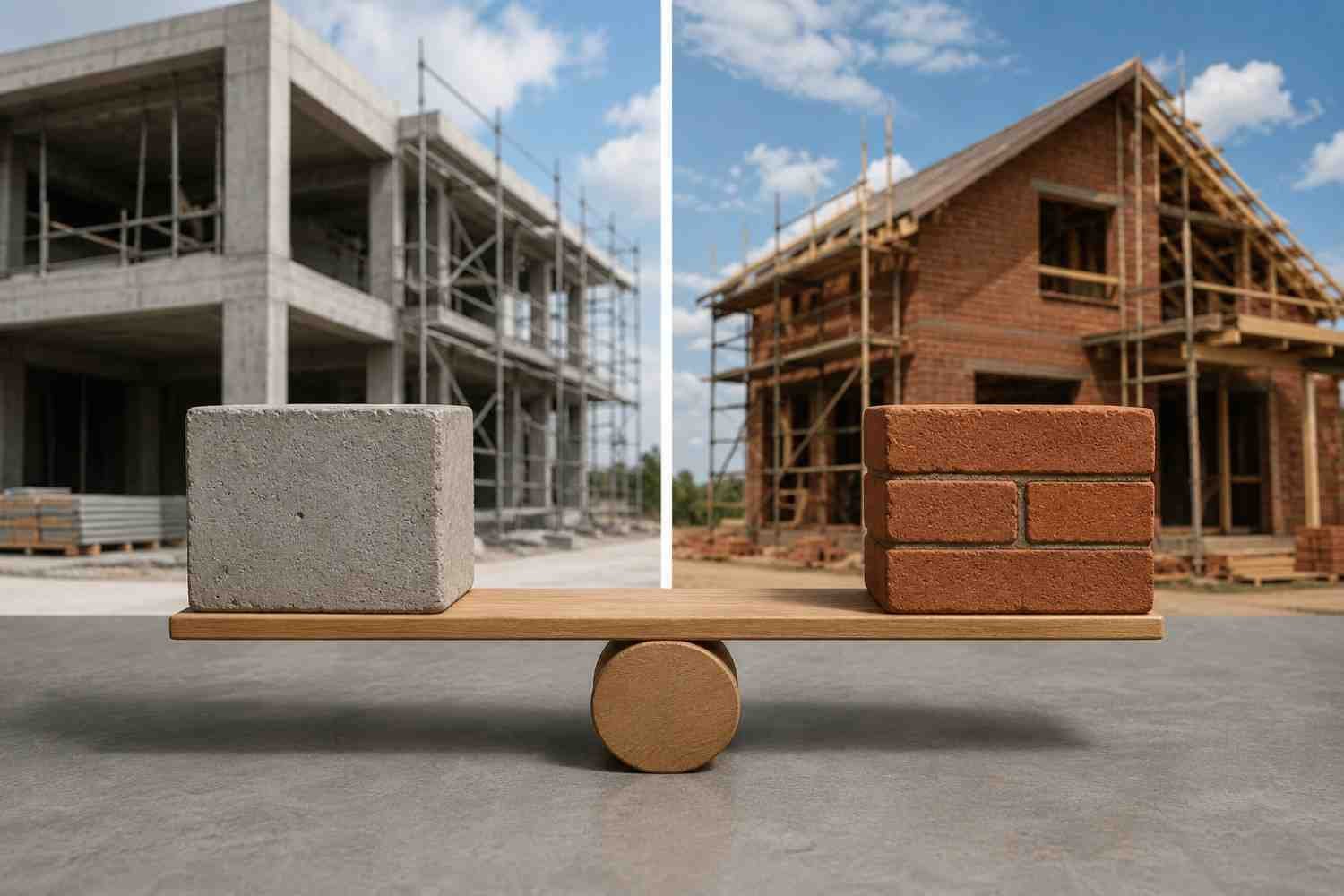
Many people focus only on material pricing, but construction costs involve much more than that.
Concrete construction requires formwork, reinforcement, and controlled curing periods. However, large sections can be poured quickly, reducing labor requirements and helping projects move faster.
Brick construction is labor-intensive. Skilled masons must place each unit individually, which increases labor expenses and extends construction timelines. Material costs can also be higher per square foot of finished wall.
That said, lower construction costs do not always translate into lower ownership costs. Maintenance, energy efficiency, and repair needs can significantly influence the total cost-per-wear of a building over its lifespan.
Comfort Inside the Home
Energy Efficiency and Thermal Mass
One of brick’s strongest advantages is its natural thermal mass.
Brick absorbs heat during warmer periods and releases it gradually as temperatures cool. This process helps regulate indoor temperatures and can reduce dependence on heating and cooling systems.
Concrete also has thermal mass benefits, but it transfers heat and cold more rapidly when not properly insulated. Without adequate insulation, concrete walls can create thermal bridges that reduce energy efficiency and affect indoor comfort.
As energy standards become stricter, insulation design often plays a major role in determining overall building performance.
Sound Insulation and Daily Living
Comfort is not just about temperature.
Brick walls generally provide excellent sound insulation because of their density and layered construction. Many homeowners appreciate the quieter indoor environment that brick can create.
Concrete walls also offer strong acoustic performance, particularly when constructed with modern insulation systems. The final result often depends more on wall assembly design than on the material alone.
Maintenance, Repairs, and Lifespan
Long-term durability tells a different story than initial construction strength.
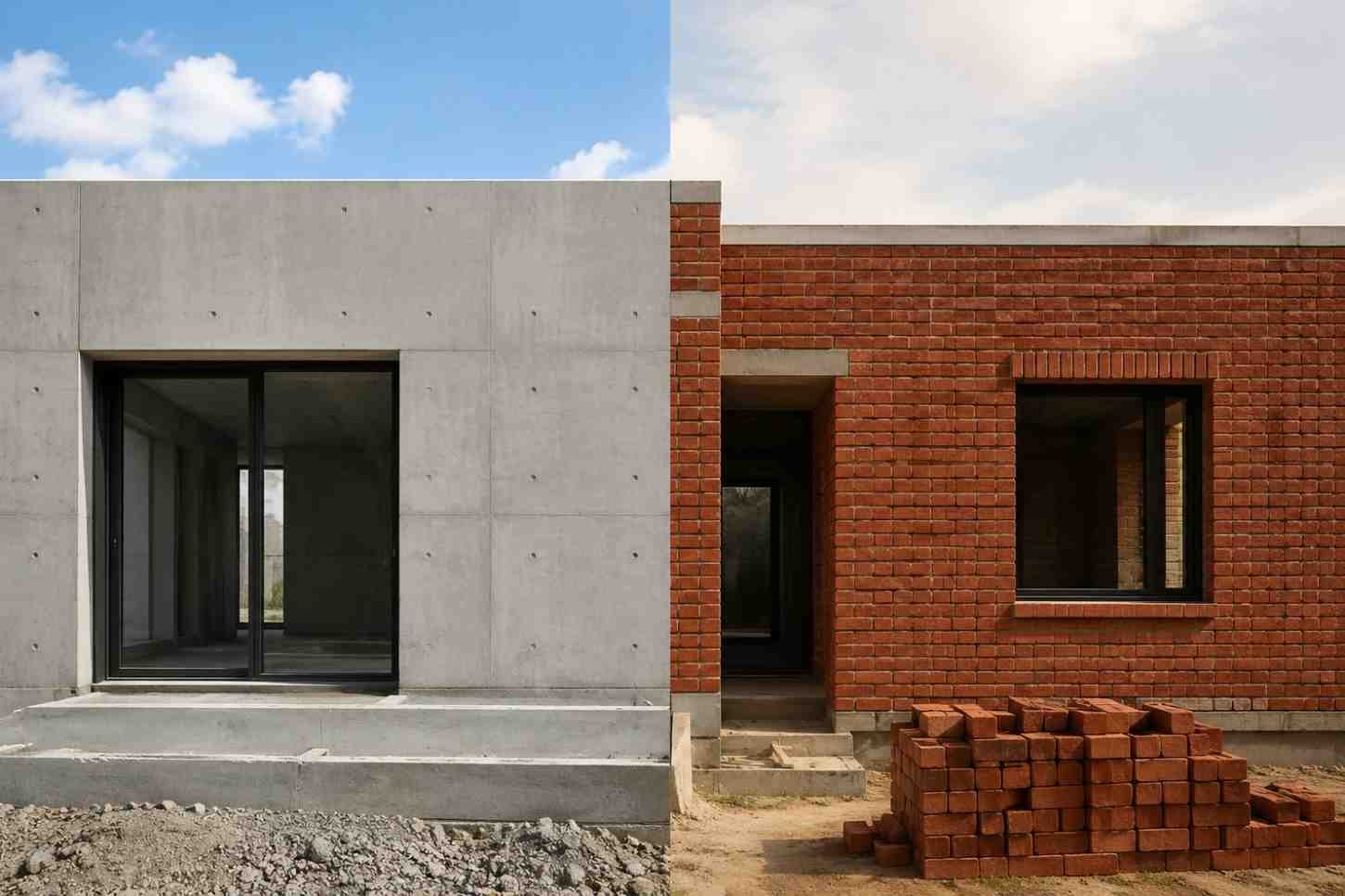
Concrete naturally undergoes chemical changes over time. Carbonation, moisture exposure, and corrosion of internal steel reinforcement can eventually lead to cracking and surface deterioration. Sealants and regular maintenance help minimize these risks.
Brick follows a different aging process. Fired clay does not rust, rot, or corrode. While mortar joints may require periodic repointing, the bricks themselves can remain structurally sound for generations.
Many historic buildings demonstrate how well brick can endure when properly maintained. For owners focused on longevity, this remains one of brick’s most attractive qualities.
Weather, Moisture, and Fire Resistance
Climate plays a major role in determining which material performs best.
Brick naturally manages moisture well and allows buildings to handle seasonal temperature changes effectively. Properly constructed brick walls can provide excellent resistance to weather-related wear.
Concrete is highly durable but often requires waterproofing systems and protective treatments to prevent water penetration. Moisture management becomes especially important in regions that experience heavy rainfall or freeze-thaw cycles.
Both materials perform well in terms of fire safety. Neither is combustible, making them reliable choices for meeting modern building code requirements.
Environmental Impact and Sustainability
Sustainability has become an increasingly important factor in residential construction materials.
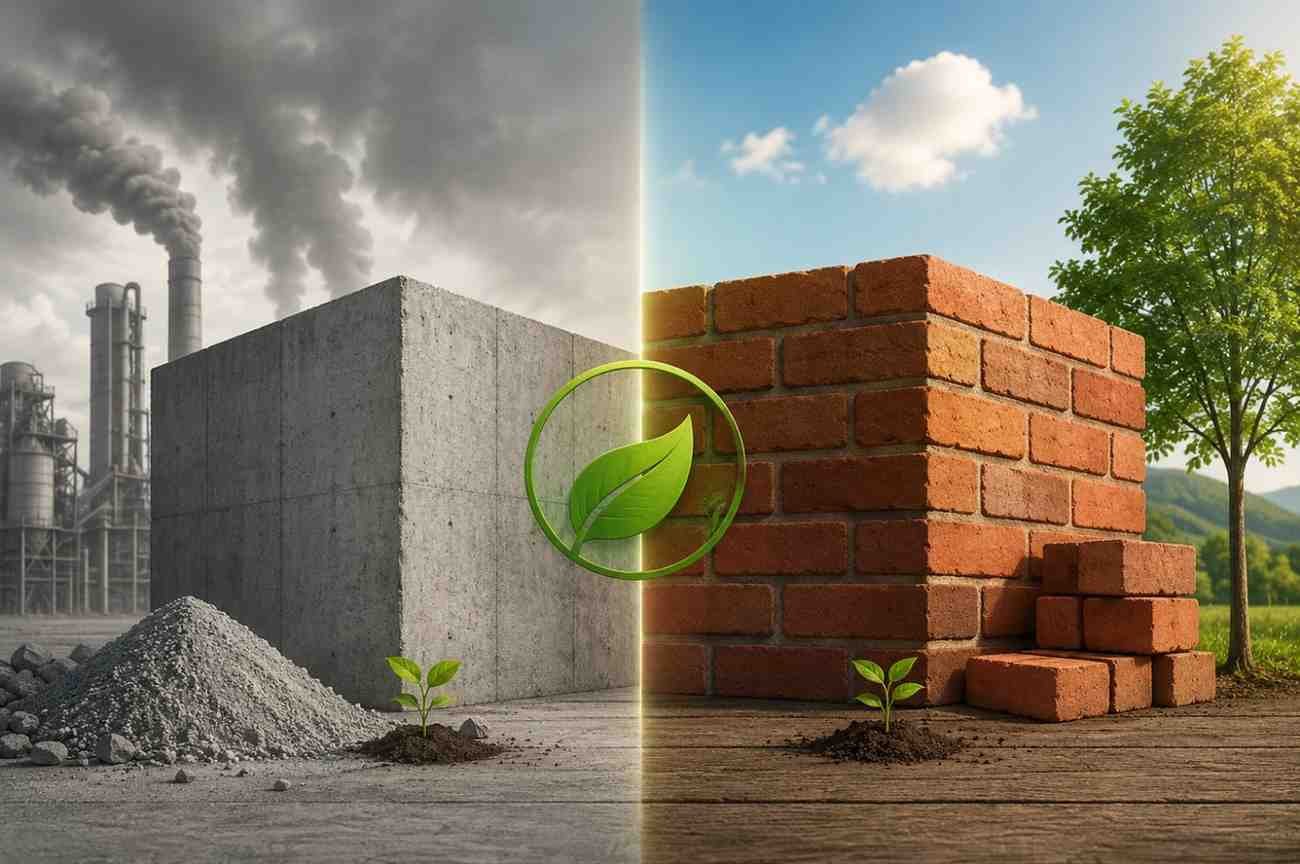
Concrete’s biggest environmental challenge comes from cement production, which generates significant carbon dioxide emissions during manufacturing. However, concrete can be recycled and repurposed as aggregate for future projects.
Brick uses abundant natural clay resources and offers exceptional durability, reducing replacement needs. Although firing bricks requires substantial energy, reclaimed bricks can often be reused directly without extensive processing.
The most sustainable choice often depends on transportation distances, local sourcing, expected lifespan, and future reuse potential.
FAQs: Concrete vs Brick Construction: The Real Difference Beyond Appearance
1. Is concrete stronger than brick?
Yes. Concrete generally provides higher compressive strength and better structural performance when reinforced with steel. This makes it suitable for larger and more complex structures.
2. Which is more energy efficient, brick or concrete?
Brick often provides better natural thermal regulation because of its thermal mass. Concrete can also be energy efficient but usually requires additional insulation to achieve similar performance.
3. Does brick construction last longer than concrete construction?
In many cases, brick structures can last longer. Brick does not rust or corrode, while concrete may experience deterioration if moisture reaches internal reinforcement.
4. Which construction method is more affordable?
Concrete construction often reduces labor costs and construction time. Brick construction can have higher upfront costs due to skilled labor requirements, but long-term maintenance and energy savings may offset some of those expenses.
The Choice You’ll Notice Long After Move-In
The biggest difference between concrete and brick rarely becomes obvious on the day construction ends. It shows up years later through energy bills, maintenance needs, indoor comfort, and how well the structure handles changing weather conditions. While concrete offers impressive strength and versatility, brick continues to earn its reputation through longevity, thermal performance, and resilience. The smartest decision comes from matching the material to the specific demands of the project rather than simply following trends.
A building should perform as well in year twenty as it does in year one. Choosing the right material helps make that possible.