


A construction project closeout checklist is one of the most important tools I use to finish a job without confusion, payment delays, or last-minute document problems. In construction, the final phase can feel just as demanding as the build itself because every inspection, punch list item, warranty, lien waiver, and owner handover detail has to line up before the project can officially close.
For US contractors, project managers, owners, and facility teams, closeout is not just paperwork. It protects payment, proves contract completion, supports code compliance, and gives the owner everything needed to operate the building safely after turnover.
What Is Construction Project Closeout?
Construction project closeout is the final stage of a building project, usually starting around substantial completion and ending when the owner accepts the work, final documents are delivered, and the contract is closed. It includes physical site completion, regulatory approvals, document turnover, financial reconciliation, subcontractor release, and client onboarding.
I like to think of closeout as the bridge between construction and building operations. The contractor finishes the work, the architect and owner verify completion, local authorities approve occupancy, and the facility team receives the information needed to maintain the property.
Why Does the Closeout Process Matter?
The construction closeout process matters because small unfinished items can create big delays. A missing warranty, unsigned change order, incomplete as-built drawing, or delayed lien waiver can slow final payment and retainage release. Poor closeout can also create disputes after the owner moves in.
A strong construction project closeout checklist keeps everyone accountable. It shows what is complete, what is pending, who is responsible, and what must happen before final acceptance. For contractors, this makes it easier to get paid. For owners, it creates confidence that the building is safe, documented, and ready to use.
When Should Project Closeout Start?

I never wait until the final week to start closeout. The best closeout process starts during construction. Submittals, RFIs (A request for information), approved change orders, inspection reports, product data, warranties, and testing records should be organized as the project progresses.
When closeout documents are collected early, the final handover becomes much smoother. Subcontractors also know what they must submit before leaving the jobsite, which reduces the risk of chasing missing paperwork after their work is already done.
Physical Site Completion Tasks
The first part of closeout is making sure the site is truly complete. This starts with punch list execution. The contractor, architect, and client should walk the site together to identify minor deficiencies, incomplete work, cosmetic issues, and final corrections. Each punch list item should be assigned to the right trade, tracked with a deadline, and verified after completion.
Testing and commissioning should also happen before final acceptance. HVAC (Heating, Ventilation and Air-Conditioning) balancing, plumbing systems, electrical panels, fire safety systems, building automation, alarms, elevators, and other key systems must be tested, documented, and confirmed as operational.
I also include attic stock handover in this stage. Spare tiles, paint stock, specialty materials, extra flooring, filters, tools, and other contracted replacement items should be turned over to the owner. This saves the facility team time when repairs or maintenance are needed later.
Key and access turnover should not be ignored. Physical keys, master keys, keycards, fobs, gate access, security codes, and digital credentials should be transferred to the owner or operations team. Final cleaning also belongs here, including interior deep cleaning, exterior cleanup, trash removal, debris disposal, and final landscaping.
Regulatory and Inspection Closeout
Before a building can be fully turned over, it must satisfy local code and inspection requirements. This usually includes final building inspections, electrical inspections, plumbing inspections, mechanical inspections, fire marshal approvals, accessibility checks, and any required municipal sign-offs.
For many US projects, the certificate of occupancy is one of the most important closeout documents. It confirms that the building can be legally occupied or used. Some projects may receive a temporary or conditional certificate first, but the final certificate should still be tracked carefully.
Special closeout requirements may also apply. Depending on the project, the owner may need environmental reports, structural steel testing records, special inspection reports, soil or stormwater approvals, elevator certifications, fire alarm reports, or other agency clearances.
Document Turnover Packet

The closeout document package is where many projects slow down. I organize this packet carefully because the owner will use these records long after the contractor leaves the site.
As-built drawings should reflect real field conditions, design changes, utility locations, equipment placement, and deviations from the original plans. Operation and maintenance manuals should explain how to operate, maintain, service, and troubleshoot building systems. These O&M manuals should include manufacturer instructions, equipment data, service contacts, maintenance schedules, and parts information.
Warranty documents should include manufacturer warranties, subcontractor warranty details, and the general contractor’s correction guarantee letter when required by contract. The package should also include commissioning reports, inspection approvals, approved submittals, final project photos, training records, spare parts lists, and owner contact information for service support.
Financial and Contractual Closure
Financial closeout confirms that the money side of the project matches the completed work. I review all approved change orders, pending RFIs, allowances, final invoices, cost summaries, and pay applications before requesting final payment.
Final lien waivers should be collected from subcontractors, vendors, and material suppliers to reduce the risk of future claims. Retainage release should be requested only after the contract requirements are satisfied, punch list items are complete, and the closeout package is ready.
Subcontractor release is also part of this stage. Trade partners and vendors should submit final invoices, warranties, lien waivers, and required closeout documents before their contracts are formally closed.
Demobilization and Owner Onboarding
The last stage is turning the project over in a way the owner can actually use. Facility staff training should be scheduled, recorded, and documented. The maintenance team should understand HVAC controls, fire systems, electrical rooms, shutoff locations, security systems, and any specialized equipment.
Site demobilization should include removing trailers, temporary fencing, rented equipment, construction signage, dumpsters, storage containers, and temporary utilities. Utility transfer is also important. Water, gas, electricity, internet, phone, and other service accounts should move from the contractor or builder setup to the owner’s billing.
Insurance updates should also happen at completion. The owner or project team may need to shift from builder’s risk coverage to standard property insurance. This step is especially important for commercial buildings and larger residential developments.
Construction Project Closeout Checklist Template
This construction project closeout checklist should include substantial completion confirmation, punch list walkthrough, punch list correction, final cleaning, testing and commissioning, attic stock handover, key and access turnover, final inspections, certificate of occupancy, special clearances, as-built drawings, O&M manuals, warranties, contractor guarantee letters, final lien waivers, change order reconciliation, RFI closeout, final payment application, retainage release, subcontractor release, facility staff training, site demobilization, utility transfer, insurance updates, and owner acceptance.
Common Closeout Mistakes to Avoid
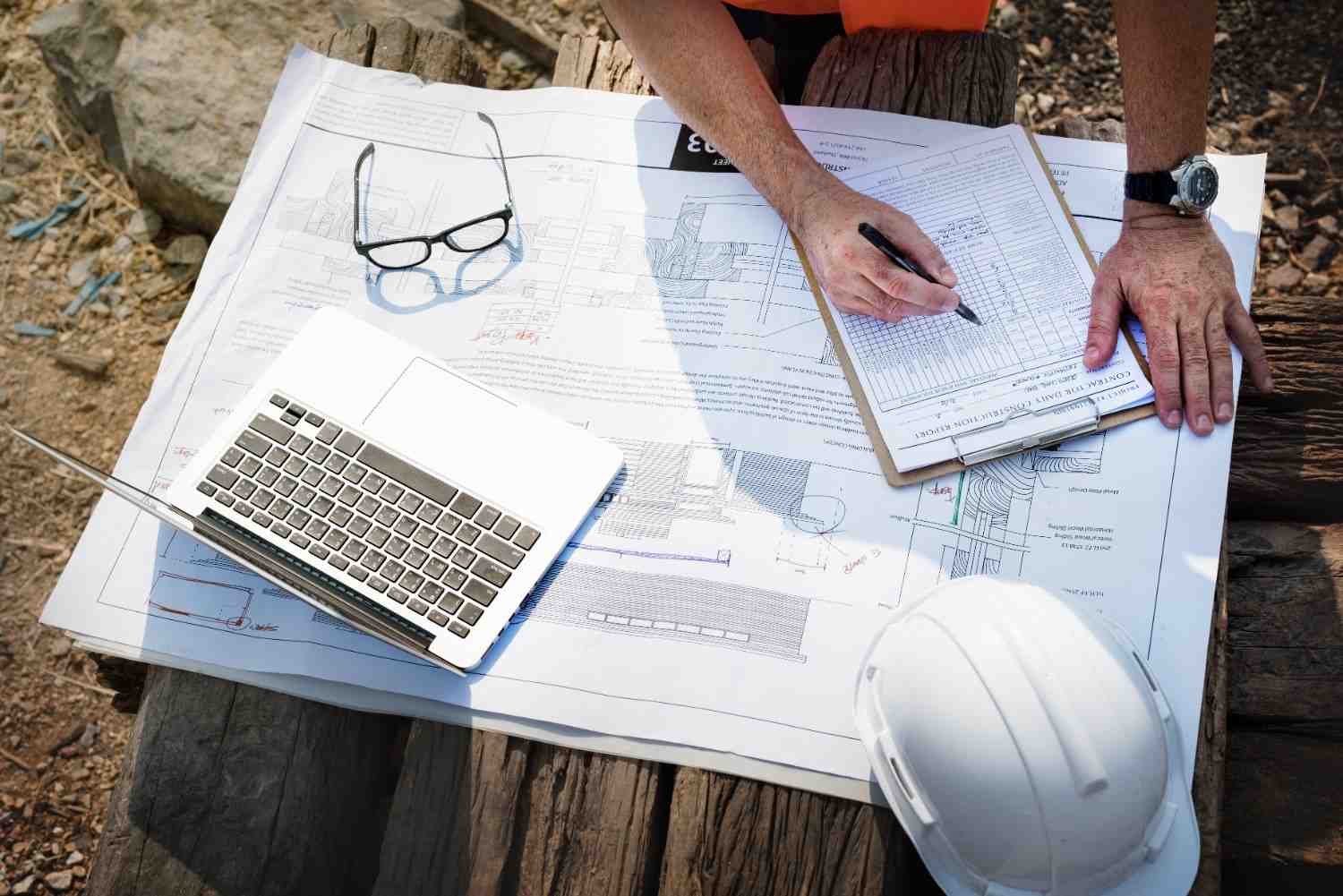
The biggest mistake I see is treating closeout like a final-week task. By then, subcontractors may have moved on, documents may be scattered, and owners may be waiting for occupancy. Another common mistake is submitting a messy closeout packet with missing warranties, outdated drawings, or unclear file names.
Poor punch list management can also delay the final walkthrough. Every item should have an owner, a due date, and proof of completion. Contractors should also avoid requesting final payment before lien waivers, change orders, and closeout documents are ready.
Frequently Asked Questions (FAQs)
1. What documents are needed for construction closeout?
Most projects need as-built drawings, O&M manuals, warranties, inspection approvals, lien waivers, commissioning reports, training records, final payment documents, and certificate of occupancy.
2. What happens during project closeout?
The team completes punch list work, passes final inspections, organizes documents, resolves payments, trains the owner’s staff, demobilizes the site, and transfers the building.
3. Who is responsible for construction closeout?
The general contractor usually leads closeout, but the owner, architect, subcontractors, suppliers, inspectors, and facility team all play important roles.
4. How can contractors speed up final payment?
Contractors can speed up payment by collecting documents early, finishing punch list items fast, resolving change orders, submitting lien waivers, and delivering a clean closeout package.
Final Thoughts
I see closeout as the final proof of a well-managed project. A contractor may build excellent work, but if the handover feels disorganized, the owner remembers the stress. A clean closeout process shows professionalism, protects payment, reduces disputes, and helps the facility team operate the building with confidence.
When I manage closeout carefully, I focus on the full picture: site completion, inspections, documents, warranties, financial closure, demobilization, utilities, insurance, training, and owner acceptance. As one of the most important construction project management process steps, closeout is how a project moves from construction to successful occupancy without unnecessary delays.