


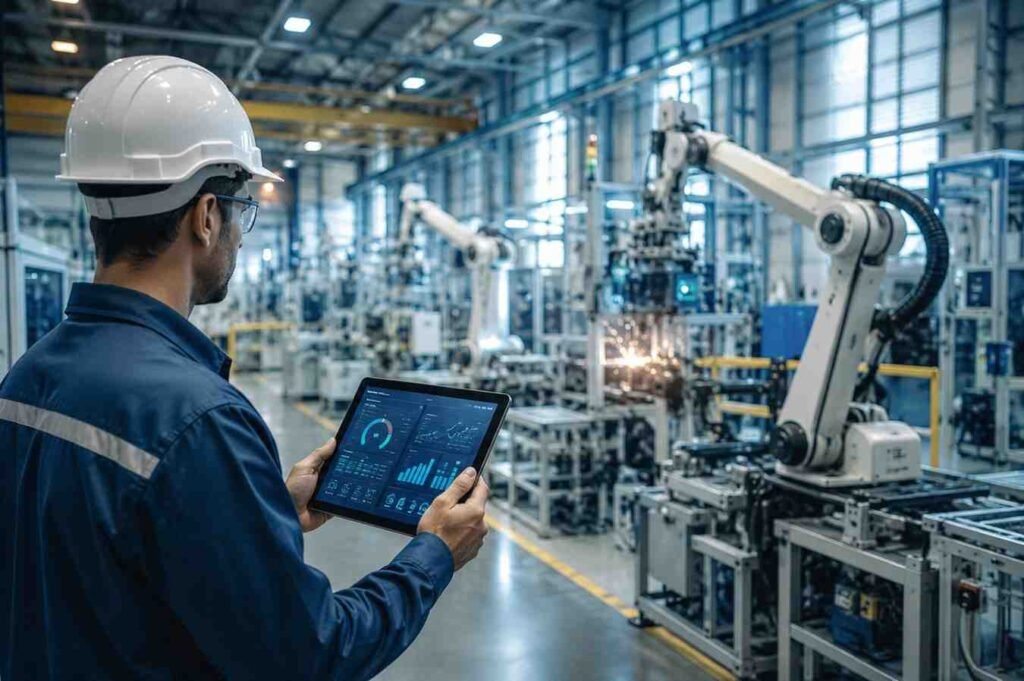
Most operational delays don’t start with a major equipment failure. They begin with small disruptions that seem manageable at first. A machine takes longer to start, a critical asset isn’t where it should be, or a maintenance issue gets pushed to next week because the team is busy. Individually, these problems look minor. Together, they can derail schedules and reduce output in ways that are hard to track.
That’s why more businesses are turning to modern equipment solutions to improve efficiency and reduce avoidable downtime. Instead of waiting for equipment to break before taking action, companies are using data, automation, and connected technologies to identify issues early and keep operations moving. The result is a more productive workforce, better equipment performance, and fewer costly surprises.
Why Downtime Costs More Than Most Businesses Realize?
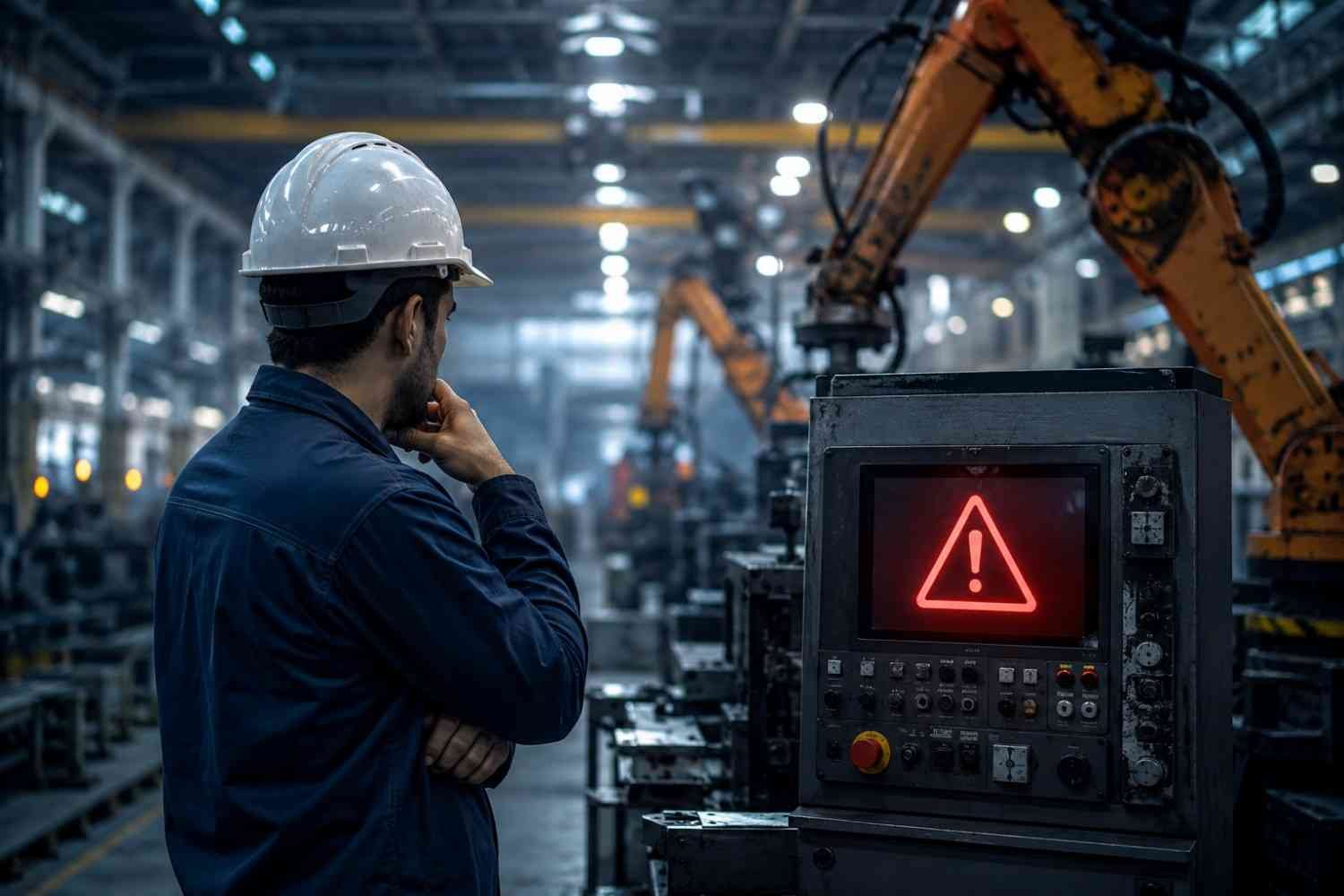
When people think about downtime, they often focus on repair costs. The reality is much broader. Every minute a critical machine sits idle can impact labor schedules, project timelines, customer expectations, and overall operational efficiency.
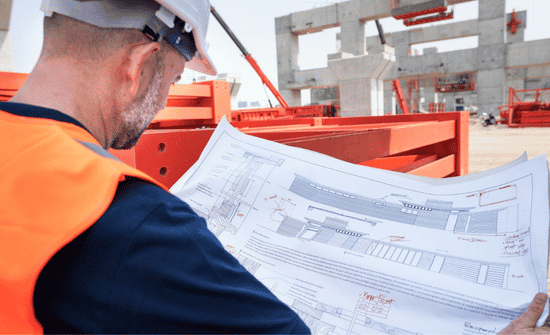
For construction crews, downtime may delay multiple phases of a project. In manufacturing environments, a single equipment issue can disrupt production targets for an entire shift. Even service organizations that rely on specialized equipment can experience lost revenue when assets are unavailable.
The challenge is that downtime often creates a ripple effect. Workers wait for equipment, supervisors reshuffle tasks, and deadlines become harder to meet. Over time, these disruptions increase operating costs and reduce productivity across the organization.
Modern equipment solutions help eliminate these issues by providing visibility into equipment health before failures occur.
What Modern Equipment Solutions Include
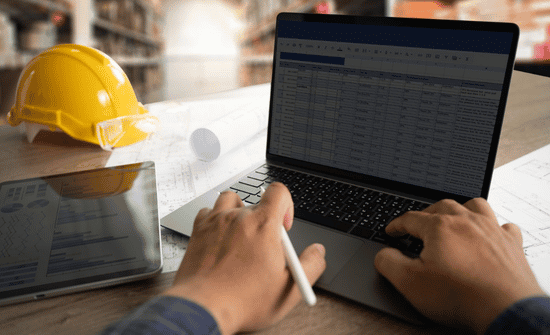
Today’s equipment management systems go far beyond traditional maintenance schedules. They combine hardware, software, and real-time data to help organizations make smarter decisions.
IoT Sensors and Connected Equipment
Many modern systems use Internet of Things (IoT) technology to monitor equipment continuously. Smart sensors collect data related to vibration, pressure, temperature, and electrical performance.
Rather than relying on manual inspections alone, businesses can monitor machine health around the clock. This allows teams to detect irregularities early and respond before they become serious problems.
Telematics and Equipment Tracking
Equipment tracking has become a major advantage for businesses managing large fleets or multiple job sites.
Telematics systems provide real-time information about equipment location, usage, fuel consumption, and operating conditions. Managers can quickly identify underutilized assets, improve resource allocation, and reduce time spent searching for equipment.
Real-time GPS tracking also helps project teams deploy resources more efficiently, keeping schedules on track and reducing unnecessary delays.
Predictive Maintenance Technology
Traditional preventive maintenance relies on fixed service schedules. While useful, these schedules don’t always reflect actual equipment conditions.
Predictive maintenance takes a more advanced approach. Using machine learning and historical performance data, these systems analyze trends and identify potential failures before they happen.
Instead of servicing equipment based solely on a calendar, maintenance teams can make decisions based on real operating conditions. This reduces unnecessary maintenance while preventing costly breakdowns.
How Modern Equipment Solutions Reduce Downtime?
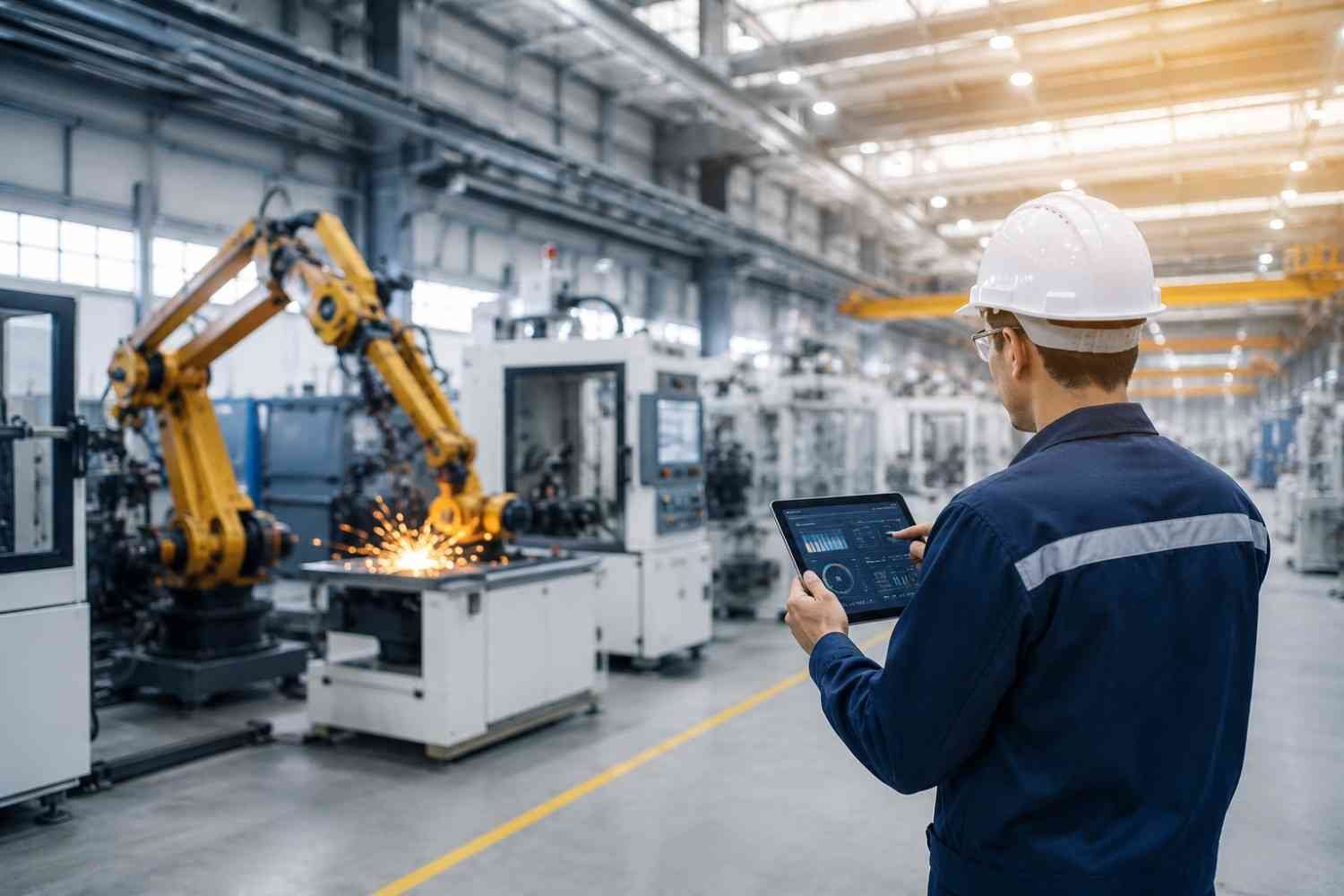
The biggest benefit of modern equipment solutions is their ability to shift organizations from reactive maintenance to proactive management.
Detecting Problems Before Equipment Fails
Most equipment failures don’t happen without warning. Changes in vibration levels, temperature fluctuations, or unusual operating patterns often appear days or weeks beforehand.
Smart monitoring systems identify these warning signs automatically. Maintenance teams receive alerts that allow them to address issues before equipment becomes inoperable.
This proactive approach significantly reduces unplanned downtime and helps extend equipment lifespan.
Improving Maintenance Scheduling
Scheduling maintenance at the wrong time can be almost as disruptive as a breakdown itself.
Modern maintenance systems use real-time performance data to determine when equipment actually needs service. This allows organizations to schedule repairs during low-demand periods rather than interrupting critical operations.
As a result, businesses maintain higher levels of workflow efficiency while reducing maintenance-related disruptions.
Optimizing Equipment Utilization
Many organizations unknowingly lose productivity because assets are not being used effectively.
Some equipment sits idle while other machines are overworked. Without accurate utilization data, it becomes difficult to balance workloads and maximize available resources.
Modern equipment solutions provide detailed usage insights that help managers improve equipment utilization, reduce unnecessary purchases, and increase productivity using existing assets.
Productivity Benefits Beyond Equipment Performance
The value of modern equipment solutions extends far beyond preventing breakdowns.
Digital twins, for example, allow organizations to create virtual representations of physical equipment. Teams can simulate operating conditions, test performance scenarios, and identify potential weaknesses without affecting production.
Automated inventory management systems ensure that critical replacement parts are available when needed. Instead of waiting days for emergency shipments, maintenance teams can respond immediately.
Augmented reality support is also becoming increasingly common. Technicians can receive guidance from remote experts during repairs, reducing troubleshooting time and improving repair accuracy.
Automation tools further improve productivity by minimizing repetitive manual tasks. Whether it’s automated reporting, digital inspections, or machine-assisted workflows, employees spend less time on administrative work and more time on high-value activities.
Building a Smarter Equipment Strategy

Technology alone doesn’t solve operational challenges. Success comes from implementing the right tools within a structured strategy.
The first step is identifying the assets responsible for the most costly delays. Rather than upgrading an entire fleet at once, organizations often achieve better results by focusing on critical equipment first.
Once monitoring systems are in place, businesses can use the data they collect to improve maintenance scheduling, workforce planning, and equipment deployment decisions.
This is where contractor equipment planning becomes especially valuable. When equipment availability, maintenance schedules, and project timelines are aligned, teams can avoid many of the delays that traditionally impact productivity.
Organizations that embrace data-driven equipment management often discover that operational improvements come not from working harder, but from making better-informed decisions every day.
FAQs: How Modern Equipment Solutions Reduce Downtime and Improve Productivity
1. What is the main cause of equipment downtime?
Unexpected mechanical failures, inadequate maintenance practices, operator errors, and delayed repairs are among the most common causes of equipment downtime.
2. How does predictive maintenance improve productivity?
Predictive maintenance uses machine data and analytics to identify potential failures before they occur, allowing organizations to prevent breakdowns and maintain consistent operations.
3. Are modern equipment solutions only useful for large companies?
No. Businesses of all sizes can benefit from equipment tracking, predictive maintenance, and asset monitoring technologies. Many solutions are scalable and can be implemented gradually.
4. What is the difference between preventive and predictive maintenance?
Preventive maintenance follows a scheduled service plan, while predictive maintenance uses real-time equipment data to determine when maintenance is actually needed.
Why Small Improvements Create the Biggest Results
The most productive operations aren’t always the ones with the newest equipment. They’re often the ones that understand how to use information effectively. Modern equipment solutions provide visibility into equipment performance, asset utilization, and maintenance needs, allowing organizations to prevent problems before they disrupt operations.
When downtime decreases, productivity naturally improves. Teams spend less time reacting to unexpected issues and more time focusing on the work that drives projects forward. Over time, those small operational improvements create measurable gains in efficiency, reliability, and long-term business performance.