

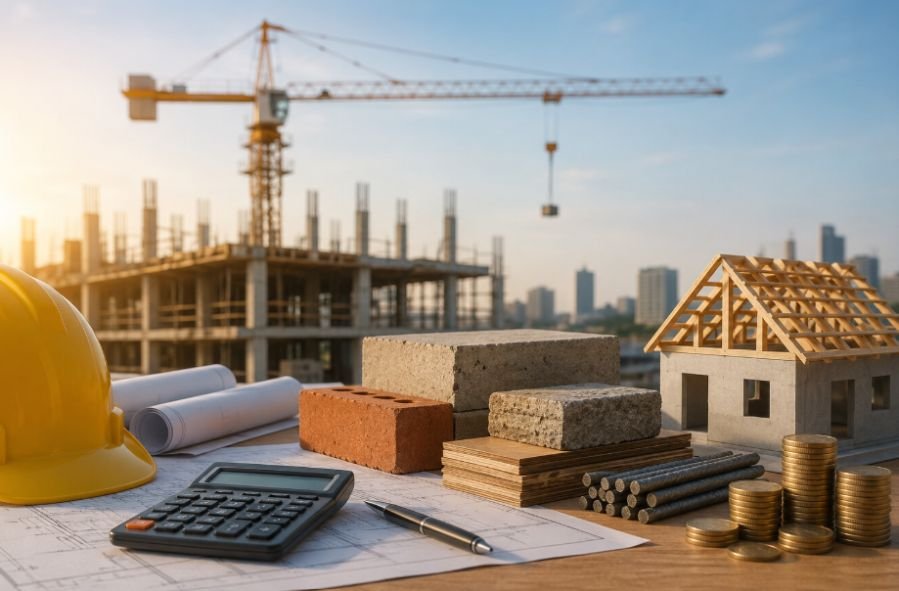
Anyone who has worked on a construction project knows how quickly a carefully planned budget can change. A project may begin with clear cost estimates, only for unexpected price increases to appear weeks or months later. Sometimes it’s a rise in steel prices.
Other times, transportation delays or labor shortages create additional expenses that weren’t part of the original plan.
This uncertainty is one reason contractors, developers, and property owners pay close attention to the factors affecting building material costs. Materials often represent one of the largest portions of construction costs, making them a major influence on project budgets.
Understanding what drives these expenses can help teams make smarter decisions, reduce surprises, and maintain better financial control throughout a project.
Why Building Material Costs Have Such a Large Impact
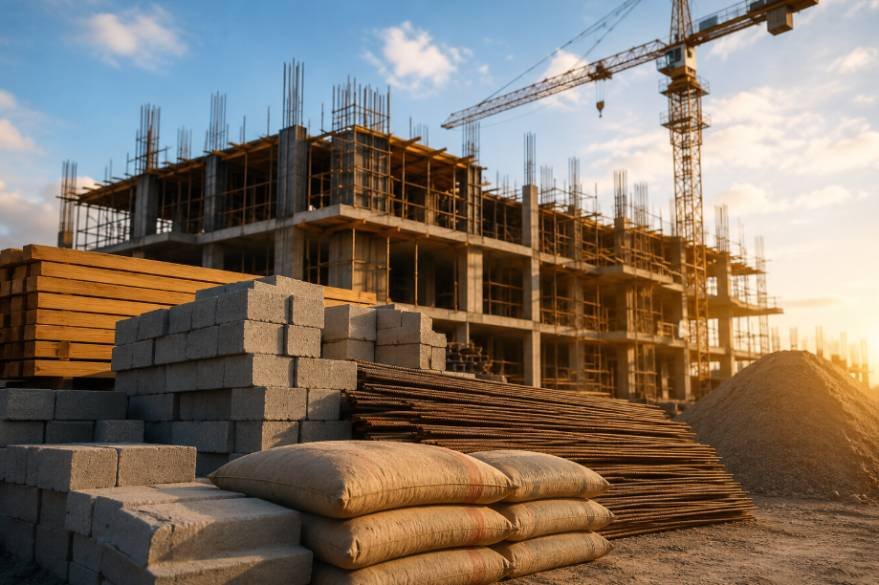
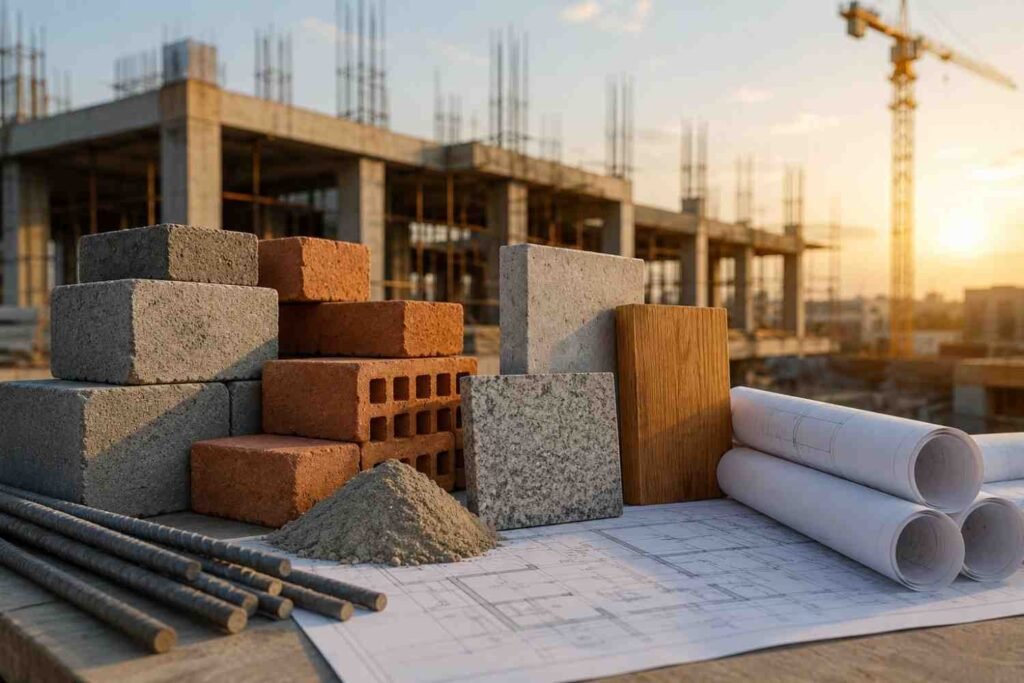
Construction materials form the foundation of every building project. Whether it’s concrete, steel, lumber, brick, or finishing products, these materials account for a significant share of total spending.
Even a small increase in building material prices can create a ripple effect across an entire project. Higher material costs can affect procurement schedules, labor planning, financing needs, and profit margins. For large-scale developments, those increases can translate into thousands or even millions of dollars in additional expenses.
Because of this, understanding the factors affecting building material costs is essential for effective construction budgeting and long-term project success.
Supply Chain and Transportation Costs Matter More Than Ever
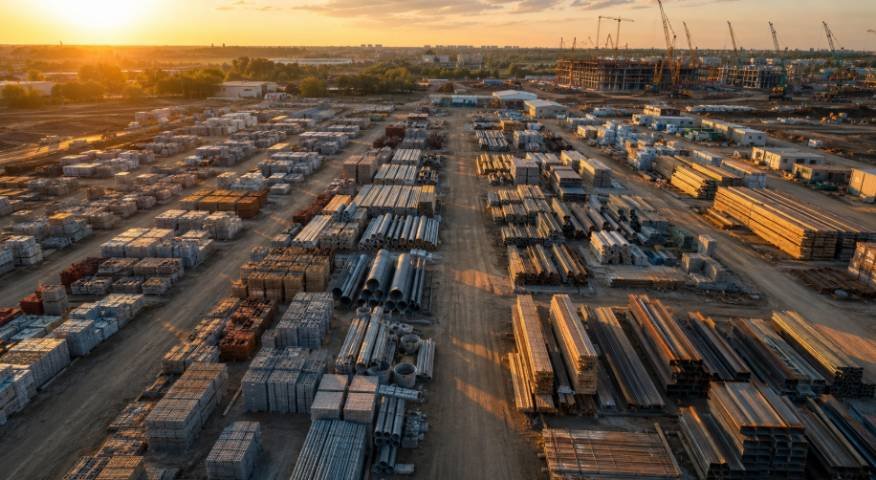
The construction supply chain has become increasingly complex. Materials often travel long distances before reaching a job site, which means transportation expenses can significantly influence final prices.
Fuel costs are among the most visible factors. When fuel prices increase, the cost of transporting heavy materials such as concrete, steel, aggregates, and masonry products rises as well.
Supply chain disruptions can create additional challenges. Delays at ports, manufacturing slowdowns, trade restrictions, and geopolitical tensions can all reduce material availability. When supply becomes limited, prices often rise as contractors compete for available inventory.
These transportation and logistics costs have become a major consideration in modern construction planning and procurement strategies.
Project Location Can Significantly Affect Costs
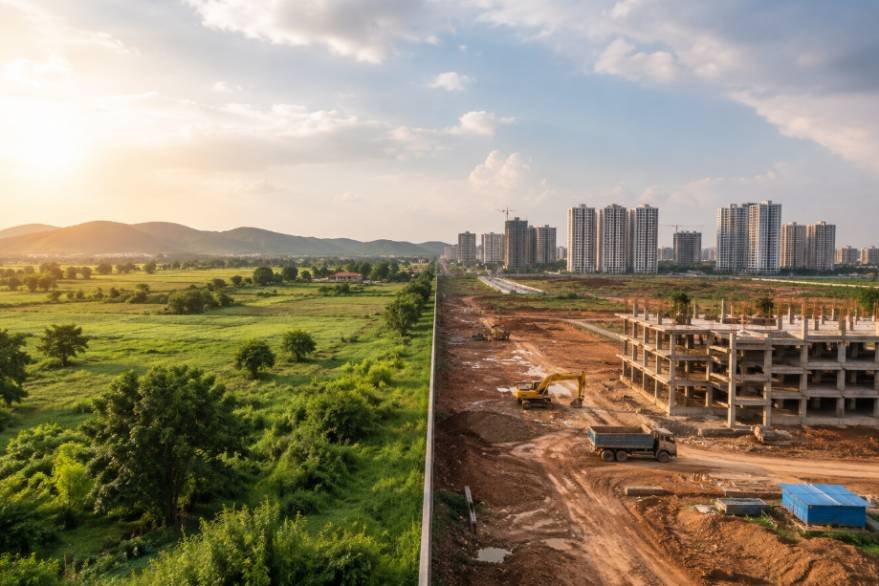
Geographic location plays a major role in determining construction costs. The same material may have very different pricing depending on where a project is located.
Urban construction projects often face higher expenses because of limited storage space, traffic restrictions, delivery scheduling challenges, and local regulatory requirements. Materials may require special transportation arrangements, adding to overall costs.
Remote projects face a different set of challenges. Materials must often travel long distances from manufacturing centers or distribution hubs. Those transportation requirements can increase expenses considerably, especially for heavy building products.
Regional market demand can also influence pricing. Areas experiencing rapid development frequently see higher material costs due to increased competition for resources.
Material Selection Has a Direct Impact on Budgets
The type of materials chosen for a project can dramatically affect overall spending.
Standardized materials are generally easier to source, transport, and install. In contrast, premium finishes, imported products, and custom-made components often come with higher procurement and manufacturing costs.
Design teams frequently balance aesthetics, durability, sustainability, and cost when selecting materials. While premium products may offer long-term value, they can increase upfront construction costs significantly.
The decision between locally sourced materials and imported alternatives can also influence project budgets. Local sourcing often reduces transportation expenses and supply chain risks while supporting more predictable delivery schedules.
Labor Availability and Workforce Costs Influence Material Spending
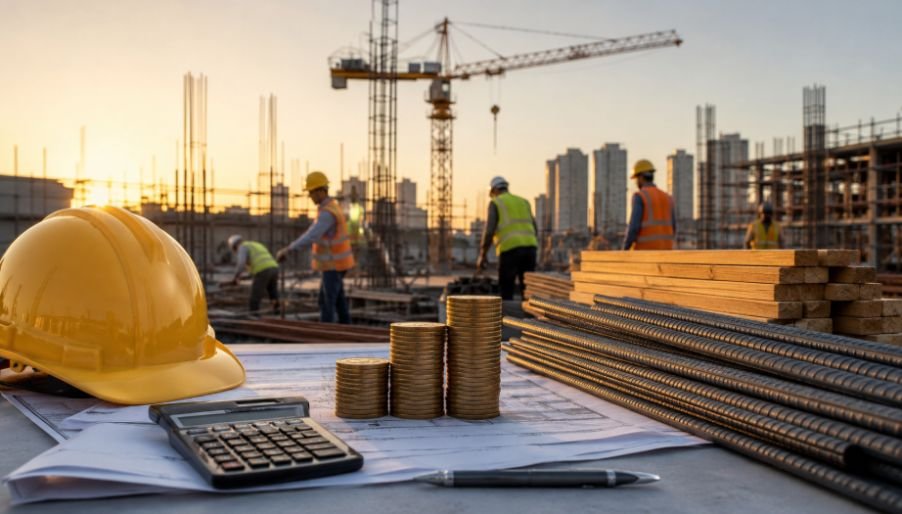
Many people focus exclusively on material prices when evaluating project budgets. However, labor availability is closely connected to construction costs.
Skilled labor shortages continue to affect many segments of the construction industry. When qualified workers become harder to find, wages often increase. Higher labor costs can influence manufacturing expenses, transportation services, and on-site installation activities.
Labor typically represents a substantial portion of overall construction spending. Rising wages can make projects more expensive even when material prices remain relatively stable.
Contractors increasingly rely on modern construction tools and equipment to improve productivity, reduce waste, and maximize workforce efficiency. Better operational efficiency can help offset some of the financial pressure created by labor shortages.
Site Conditions and Project Delays Create Hidden Expenses
Some of the most expensive cost drivers are not always visible during initial planning.
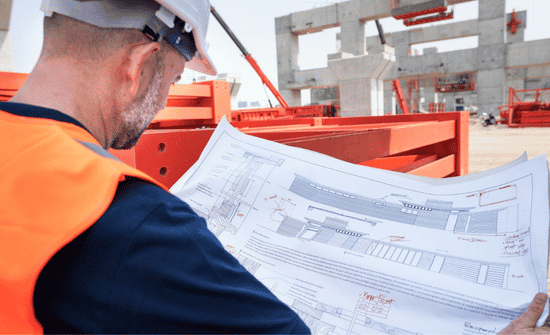
Site conditions such as poor soil quality, uneven terrain, groundwater issues, or environmental concerns may require additional engineering solutions and construction materials. These unexpected requirements can quickly increase project expenses.
Timeline delays create another significant challenge. Extended schedules often lead to additional equipment rental costs, financing expenses, labor charges, and exposure to inflationary material price increases.
Strong contractor equipment planning helps teams schedule machinery more efficiently, reduce idle time, and avoid unnecessary rental expenses during long or complex projects.
The longer a project takes to complete, the greater the likelihood that future material purchases will cost more than originally estimated.
Waste Management and Regulatory Requirements Add to Costs

Material waste is often an overlooked contributor to budget overruns. Damaged products, poor storage practices, inaccurate ordering, and theft can all increase expenses throughout a project lifecycle.
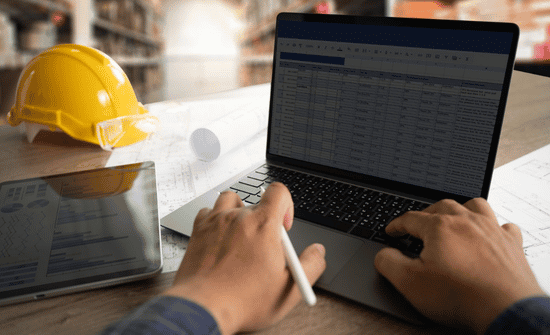
Strong inventory management and accurate forecasting help reduce unnecessary losses and improve cost management in construction.
Regulatory requirements also contribute to project budgets. Building permits, environmental reviews, safety compliance measures, inspections, and zoning approvals all introduce additional costs that must be factored into overall planning.
While these expenses are necessary, they can significantly affect final project costs if not anticipated early.
Frequently Asked Questions:
1. What are the main factors affecting building material costs?
The primary factors include market demand, inflation, raw material availability, transportation expenses, labor shortages, supply chain disruptions, project location, and material selection.
2. How does project location affect construction material costs?
Location influences transportation expenses, local demand, delivery logistics, storage requirements, and regional availability of construction materials.
3. Why do labor shortages impact building material costs?
Labor shortages increase wages across manufacturing, transportation, and construction sectors, which can raise overall construction costs and project budgets.
4. How can contractors reduce material-related budget overruns?
Contractors can improve forecasting, strengthen supplier relationships, reduce material waste, monitor market trends, and plan purchases strategically to better manage costs.