



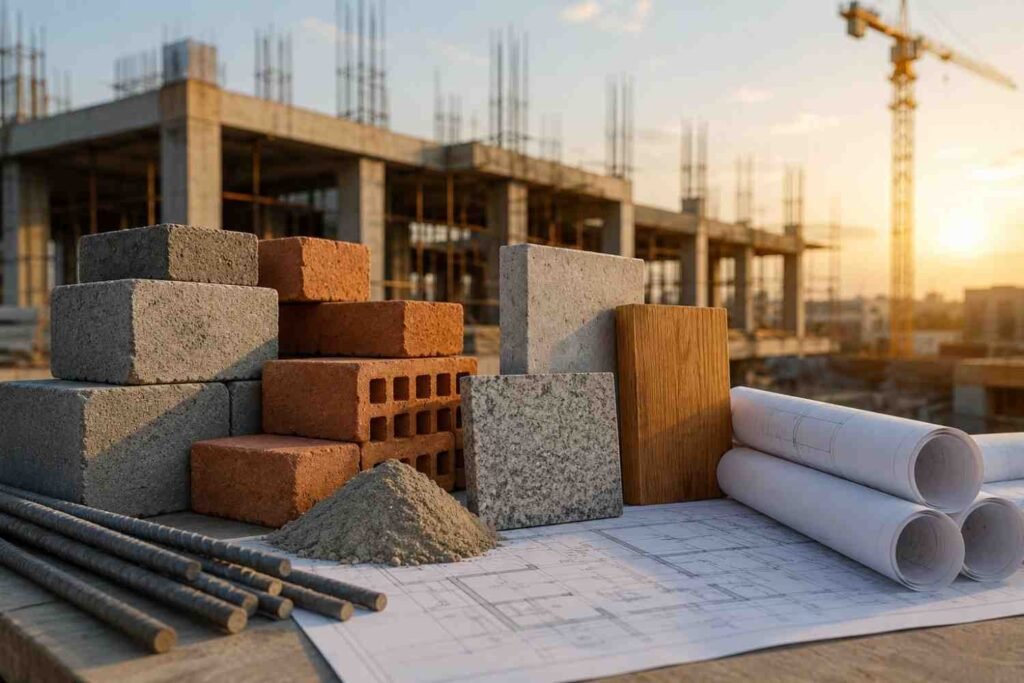

A renovation starts with exciting ideas, Pinterest boards, and dreams of a beautiful new space. Then suddenly, unexpected costs appear, timelines stretch, and the budget starts climbing. After seeing countless homeowners face this challenge, one thing becomes clear: learning how to avoid renovation budget overruns is just as important as choosing the perfect design.
Key Takeaways
- Plan every detail before demolition begins.
- Keep a 10% to 20% contingency fund for surprises.
- Avoid making changes once construction starts.
- Compare contractor bids beyond just price.
- Track expenses regularly to stay on budget.
Importance of Renovation Budget Planning
Many homeowners assume a renovation budget is simply a rough estimate. In reality, it is the roadmap that determines whether your project finishes smoothly or becomes financially overwhelming.
Knowing how to avoid renovation budget overruns helps protect your savings, reduce stress, and prevent difficult compromises later. A few smart decisions during planning can save thousands of dollars once construction begins.
Unexpected expenses often appear when homeowners rush into projects without understanding hidden costs, contractor agreements, or material pricing. That’s why budgeting deserves as much attention as design.
Build A Budget That Works
A strong financial plan creates the foundation for every successful renovation. Before choosing finishes or approving contractor work, homeowners should understand to create a construction budget so every major cost is planned before the project begins.
Start With The Full Cost Picture
Many budgets focus only on labor and materials. However, building permits, inspections, design fees, temporary accommodation, and waste removal can significantly impact total project costs.
Before requesting quotes, create a complete budget framework that accounts for every expected expense. This gives you a realistic understanding of what the project will actually cost.
Research Local Remodeling Costs
Renovation pricing varies by location, contractor availability, and material demand. Looking at current local costs helps prevent underestimating your budget.
Accurate research also improves conversations with contractors because you’ll better understand reasonable price ranges for your project.
Prioritize Needs Before Wants
Structural repairs, safety upgrades, plumbing, and electrical work should always come first. Decorative upgrades can be adjusted later if necessary.
Separating needs from wants creates flexibility and helps prevent financial pressure when unexpected expenses arise.
Create A Smart Safety Buffer
Even the most detailed renovation plans can encounter surprises.
Follow The Right Contingency Rule
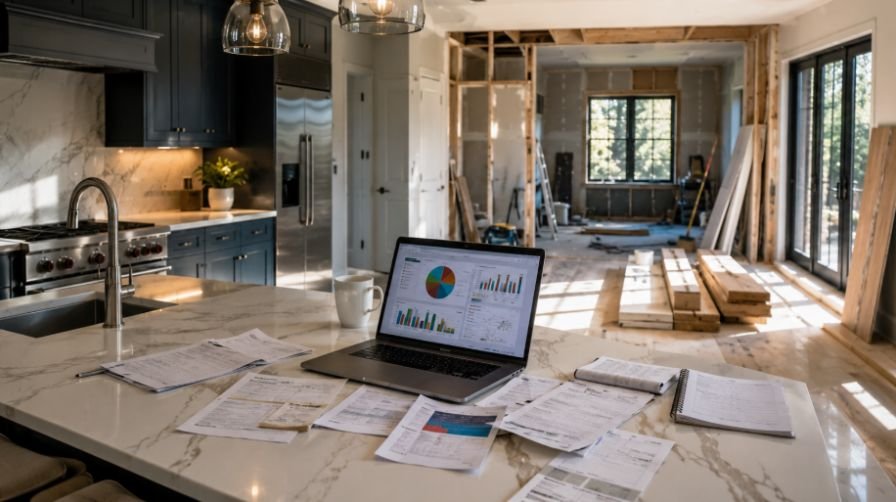
To avoid renovation budget overruns, add a contingency fund based on project complexity. Cosmetic remodels typically need around 10%, while older homes or major structural renovations often require a 20% buffer. This reserve helps cover issues discovered after demolition without disrupting the entire project.
Prepare For Hidden Discoveries
Faulty wiring, sneaky water damage, outdated plumbing, and code compliance upgrades are common reasons renovation costs increase unexpectedly.
Planning for these possibilities from the beginning helps maintain financial stability throughout construction.
Keep Emergency Funds Separate
Your contingency fund should not become a source for luxury upgrades. Keeping it reserved strictly for unexpected costs ensures it remains available when truly needed.
Lock Everything In Early
One of the easiest ways to control renovation spending is making decisions before work begins.
Finalize Design Selections

Choose flooring, fixtures, cabinetry, countertops, paint colors, and hardware before demolition starts. Early decisions reduce delays and prevent expensive changes during construction.
Order Materials Ahead Of Time
Supply chain disruptions and material shortages continue to affect renovation projects. Ordering key materials early helps avoid price increases and contractor downtime.
Homeowners can also reduce waste and budget confusion by learning to manage construction materials for better planning and budgeting before the project begins.
This strategy also provides greater certainty regarding project timelines and budgets.
Confirm Every Detail In Writing
Verbal agreements can lead to misunderstandings. Written documentation creates clarity for both homeowners and contractors.
Detailed specifications help ensure everyone understands project expectations before work begins.
Choose Contractors Carefully
Contractor selection plays a major role in renovation success.
Compare Scope Not Just Price
The lowest estimate isn’t always the best option. Carefully compare what each contractor includes and excludes from their proposal.
Items such as permits, cleanup, disposal fees, and finishing hardware are frequently overlooked during bid comparisons.
Understand Change Order Policies
Every renovation contract should explain how project changes will be handled and priced.
Clear change-order procedures help prevent surprise charges and budget confusion later in the project.
Review Fixed Pricing Options
Whenever possible, consider contracts with fixed pricing or clearly defined cost structures. This reduces uncertainty and provides greater financial predictability throughout the renovation.
Stop Scope Creep Before It Starts
Small changes can quickly create major budget problems.
Avoid Mid-Project Adjustments
Every design change requires additional planning, labor, materials, and coordination. What seems like a simple upgrade can affect multiple parts of the project. These ripple effects often increase costs far beyond the original adjustment.
Think Before Approving Changes
Before accepting any modification, review its impact on labor, materials, scheduling, and overall project cost. Taking time to evaluate decisions helps prevent emotional spending during construction.
Stay Focused On Original Goals
Renovations often become larger than intended. Revisiting your original objectives helps maintain financial budget discipline and avoid unnecessary upgrades.
Track Spending Like A Pro
Budget management should continue from start to finish.
Monitor Costs Weekly
Regular budget reviews help identify overspending early. Waiting until project completion makes corrections far more difficult.
Weekly tracking provides visibility into where money is being spent and whether adjustments are necessary.
Keep Detailed Records
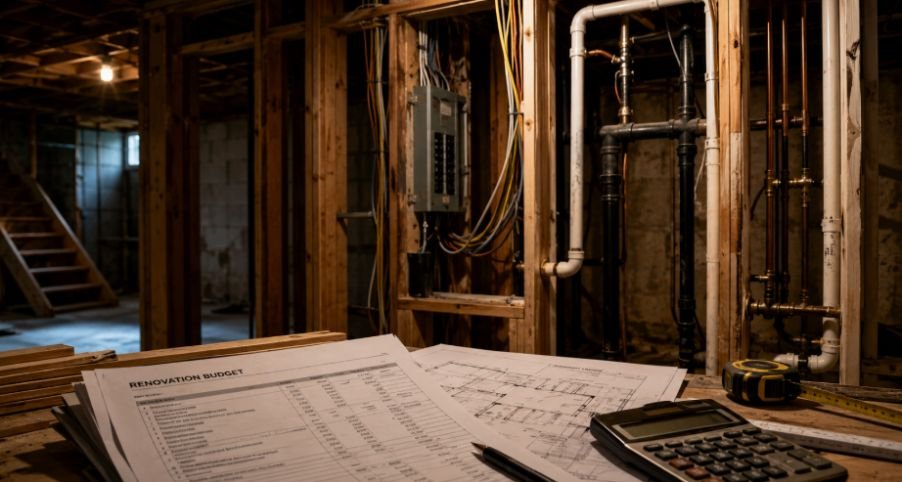
Save invoices, receipts, contracts, and change orders throughout the renovation process. Organized records improve accountability and make it easier to resolve billing questions if they arise.
Compare Budget Versus Actual Costs
Tracking planned expenses against actual spending creates a clearer picture of project performance. This habit helps homeowners make informed decisions as construction progresses.
How To Avoid Renovation Budget Overruns Step By Step
Following a structured process makes budgeting significantly easier.
Start by defining renovation goals and establishing a realistic budget. Research local remodeling costs and create a complete cost estimate that includes permits, labor, materials, and contingency funds. Finalize all design selections and order materials before construction begins.
Next, compare contractor bids carefully and review every contract detail. Choose professionals who provide transparent pricing and clear change-order procedures. Once work starts, avoid unnecessary modifications and monitor expenses weekly.
Continue tracking progress throughout the renovation. Address issues immediately, use contingency funds only for genuine surprises, and stay focused on project priorities. This practical approach helps homeowners consistently avoid renovation budget overruns while achieving high-quality results.
Frequently Asked Questions
1. What is the 30% rule for renovations?
The 30% rule suggests homeowners avoid spending more than 30% of their property’s value on renovations. This guideline helps maintain financial balance and supports long-term return on investment.
2. Can you avoid going over budget on your home renovation?
Yes. Homeowners can significantly reduce the risk of overspending by planning carefully, locking in design choices early, maintaining contingency funds, and tracking costs throughout the project.
3. How to avoid budget overrun?
To avoid renovation budget overruns, create a detailed budget, compare contractor bids thoroughly, order materials early, avoid scope changes, and maintain a contingency reserve for unexpected expenses.
4. What are the main causes of home renovation budget overruns?
The most common causes include hidden structural problems, inaccurate estimates, mid-project design changes, material price increases, poor contractor communication, and inadequate contingency planning.
The Budget-Friendly Finish Line
Learning how to avoid renovation budget overruns is not about cutting corners or sacrificing quality. It is about making smarter decisions before and during construction.
With detailed planning, realistic budgeting, careful contractor selection, and disciplined spending habits, homeowners can enjoy a smoother renovation experience, protect their finances, and achieve the results they envisioned from the start.