
I see modern construction moving toward one clear goal: fewer surprises on the jobsite. Wrong measurements, outdated drawings, hidden conditions, and poor coordination can quickly turn a well-planned project into an expensive delay.
That is why Laser Scanning in Construction: Benefits and Uses has become such an important topic for contractors, designers, engineers, and project owners who want better control before, during, and after construction.
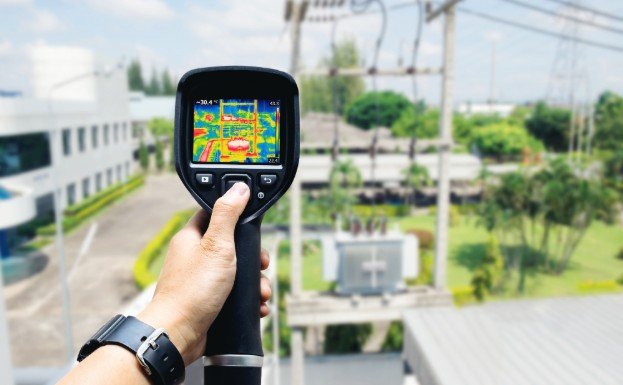
Laser scanning captures real jobsite conditions with high accuracy and turns them into detailed digital data. Instead of relying only on tape measures, manual surveys, or incomplete drawings, teams can scan a building, site, or structure and create a precise 3D record.
What Is Laser Scanning in Construction?
Laser scanning in construction is a reality capture method that uses laser technology to measure spaces, surfaces, and structures. A scanner sends out laser beams, records the reflected data, and creates millions of measurement points. These points form what is called a point cloud.
A point cloud is like a digital map of the real construction environment. It can show walls, floors, ceilings, beams, pipes, ducts, equipment, and structural details with a high level of accuracy. This data can then be used to create 3D models, as-built drawings, BIM models, digital twins, and project documentation.
The biggest value is simple: teams can see what actually exists on site before they make costly decisions.
How Laser Scanning Works on a Jobsite
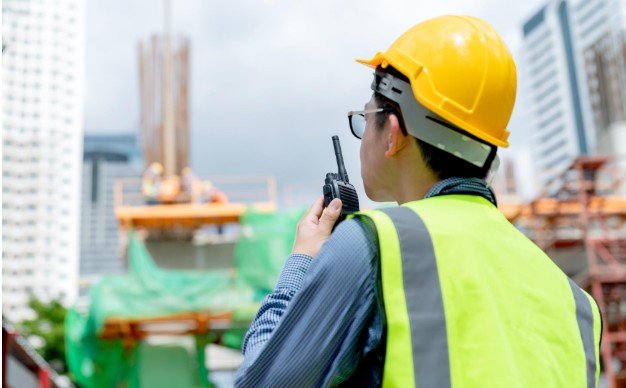
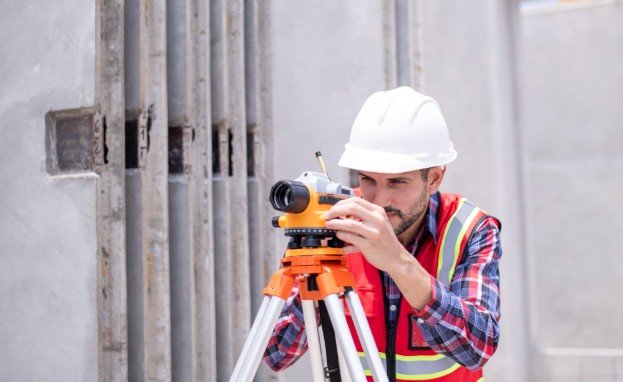
The process usually begins with planning the scan area. A technician places the scanner in different positions around the jobsite so it can capture the full space. Each scan records detailed measurements from that location.
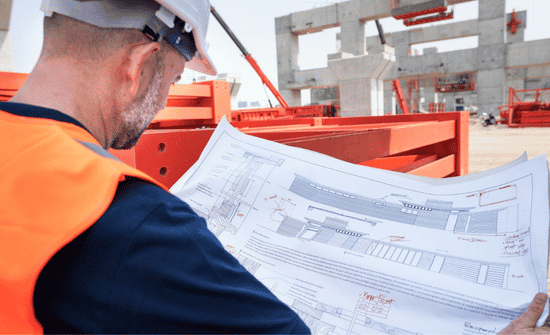
After the scan is complete, the data is processed and combined into one accurate point cloud. From there, construction teams can compare the captured conditions with design drawings, BIM models, or planned layouts. If something does not match, the issue can be identified before installation or construction continues.
This workflow is especially useful in renovations, commercial buildings, hospitals, industrial facilities, and complex projects where existing conditions are difficult to measure manually, especially when paired with digital timesheets for construction crews to improve field tracking and project coordination.
Key Benefits of Laser Scanning in Construction
One of the biggest benefits of laser scanning is accuracy. Traditional measurement methods depend heavily on manual work, and even small errors can create major problems later. Laser scanning captures detailed site conditions quickly and helps reduce the risk of missing important measurements.
Another major benefit is speed. A jobsite that may take days to measure manually can often be scanned much faster. This helps teams collect more complete information without slowing down the project schedule.
Laser scanning also reduces rework. Rework happens when installed work does not match the plan, when drawings are outdated, or when teams discover conflicts too late. With scan data, contractors can identify clashes, verify dimensions, and fix coordination issues before they become expensive field problems.
It also improves communication. Project owners, architects, engineers, contractors, and subcontractors can all work from the same visual data. Instead of arguing over unclear measurements or old drawings, teams can review the actual site conditions in a shared digital format.
Common Uses of Laser Scanning in Construction
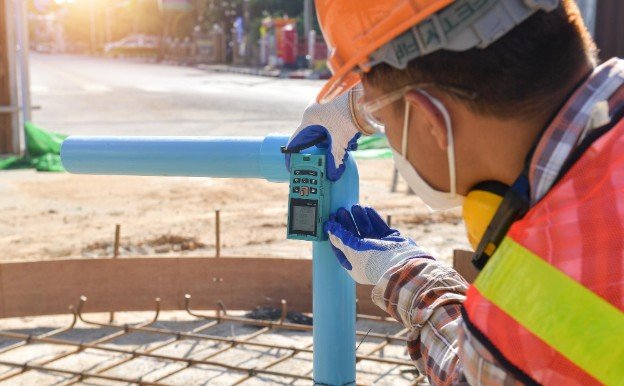
One of the most common uses is as-built documentation. After a structure is built or modified, laser scanning can capture the finished condition and create a reliable record. This is valuable for future renovations, maintenance, inspections, and facility management.
Another major use is scan-to-BIM to sim. In this process, point cloud data is converted into a Building Information Model. This helps teams create accurate models of existing buildings, especially when original drawings are missing, outdated, or unreliable.
Laser scanning is also useful for clash detection. Mechanical, electrical, plumbing, and structural systems often compete for limited space. By scanning real conditions and comparing them with the design model, teams can identify conflicts before materials are installed.
Progress tracking is another powerful use. Scans can be taken at different project stages to compare completed work with the planned schedule. This helps project managers verify progress, document work, and spot delays early.
Contractors also use scanning for renovation planning, quality control, prefabrication, structural analysis, site verification, historical preservation, and digital twin development.
Laser Scanning vs Traditional Surveying
Traditional surveying is still useful, but laser scanning provides a much richer view of a construction site. A traditional survey may capture selected points, while laser scanning captures millions of points across the full environment.
This matters because construction problems often happen in the details. A wall may be slightly out of alignment, a pipe may sit lower than expected, or an old structure may not match the drawings. Laser scanning helps teams detect those details early.
Traditional methods can be cheaper for simple jobs, but laser scanning becomes more valuable when the project is complex, time-sensitive, or highly coordinated. For large renovations, MEP-heavy projects, and buildings with poor documentation, the accuracy and time savings can easily justify the investment.
Challenges and Limitations to Know
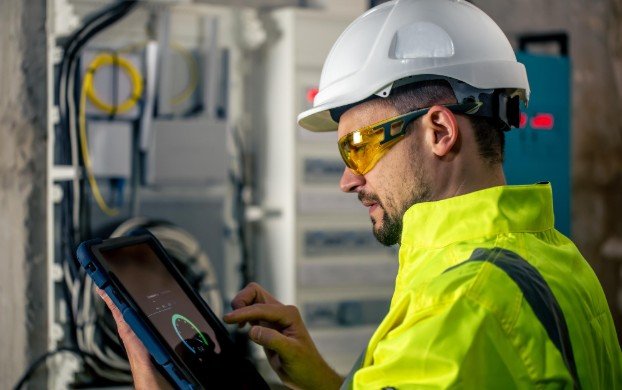
Laser scanning is powerful, but it is not perfect. The equipment and software can be expensive, especially for smaller contractors. Some teams may choose to hire a scanning service instead of buying their own equipment.
Training is another challenge. Capturing the scan is only one part of the process. Teams also need to understand how to process point clouds, manage large files, and use the data inside BIM, CAD, or project management tools.
There can also be site limitations. Reflective surfaces, poor visibility, tight spaces, moving objects, and blocked areas can affect scan quality. A scanner can only capture what it can see, so proper scan planning is important.
Data overload is another issue. A point cloud can contain a huge amount of information. Without a clear purpose, teams may collect more data than they know how to use. The best results come when contractors define the goal before scanning.
When Contractors Should Use Laser Scanning
Laser Scanning in Construction: Benefits and Uses becomes especially important when accuracy has a direct impact on cost, schedule, and safety. It is highly useful before renovating older buildings, installing complex MEP systems, building in tight spaces, or working on projects where existing drawings cannot be trusted.
It is also valuable for commercial interiors, healthcare facilities, industrial plants, warehouses, schools, infrastructure upgrades, and high-value construction projects. Any job that depends on precise coordination can benefit from reality capture.
Contractors should also consider scanning when disputes are possible. A scan creates a visual and measurable record of site conditions, which can help support documentation, change orders, inspections, and project closeout.
How to Get Started With Laser Scanning
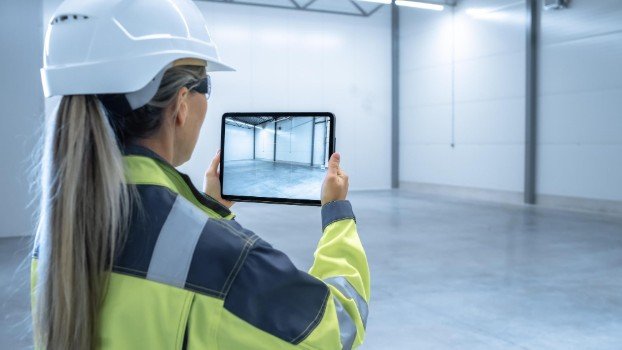
The first step is to decide what problem the scan needs to solve. Is the goal to create as-built drawings, support BIM coordination, reduce rework, document progress, or verify existing conditions? A clear goal helps determine the scan scope.
Next, contractors should decide whether to hire a scanning service or build in-house capability. Hiring a service is often better for occasional use. Buying equipment may make sense for companies that need scanning regularly across many projects.
Before scanning, teams should define deliverables. These may include a point cloud, 2D drawings, 3D model, BIM file, progress report, or digital twin. Clear deliverables prevent confusion and make the scan more useful.
Finally, the scan data should be shared with the right people. Laser scanning only creates value when project teams use the information to make better decisions.
Frequently Asked Questions
1. What is Laser Scanning in Construction: Benefits and Uses mainly about?
It explains how laser scanning captures accurate site data and how contractors use it to reduce rework, improve planning, and support BIM workflows.
2. Is laser scanning worth it for small construction projects?
Yes, if the project has complex measurements, renovation work, poor drawings, tight spaces, or high risk of costly mistakes.
3. How accurate is 3D laser scanning?
Accuracy depends on the scanner, site conditions, and workflow, but professional construction scanning can capture highly detailed measurements for planning and verification.
4. Can laser scanning reduce construction delays?
Yes, it can help identify clashes, layout problems, and existing-condition issues earlier, which reduces delays caused by rework and field conflicts.
Final Thoughts
I believe laser scanning is no longer just an advanced tool for large construction companies. It is becoming a practical way to build with more confidence, especially when projects involve complex spaces, older buildings, fast schedules, or detailed coordination.
By capturing real site conditions, laser scanning helps teams plan better, communicate clearly, avoid expensive mistakes, and create stronger project records. For contractors who want fewer surprises and better control, this technology can make construction smarter from the first site visit to final closeout.