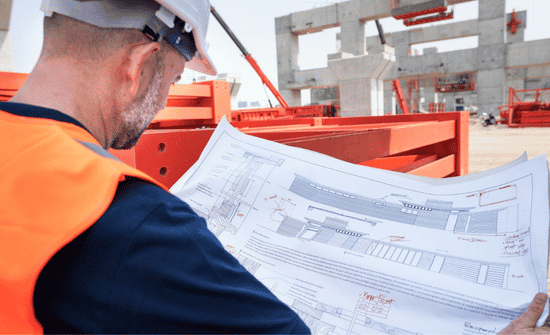




A jobsite can look organized and still hide hazards that lead to injuries, delays, fines, and shutdowns. That is why I treat every OSHA construction safety checklist as a working safety tool, not a paperwork exercise.
For US contractors, supervisors, and safety managers, the checklist should follow 29 CFR 1926 and focus first on OSHA’s Focus Four hazards: falls, struck-by incidents, caught-in or between hazards, and electrocution.
What Should an OSHA Jobsite Safety Checklist Include?
A practical OSHA construction site safety checklist should document the project name, location, date, weather, inspector, trade areas reviewed, unsafe conditions, corrective action, responsible person, due date, and sign-off. This turns a basic jobsite safety checklist into a record that proves hazards were found, assigned, corrected, and stored properly through construction document management.
The checklist should cover fall protection, scaffolds, ladders, electrical safety, PPE, excavation and trenching, housekeeping, fire protection, sanitation, first aid, and training records. I would also separate daily checks from weekly reviews because field conditions change faster than paperwork.
How Do You Inspect Fall Protection Under OSHA 1926.501?

Fall protection under Subpart M should be one of the first areas reviewed. Workers at unprotected sides or edges 6 feet or more above a lower level generally need guardrails, safety nets, or personal fall arrest systems. Guardrails should protect open sides, leading edges, platforms, and exposed floor openings.
PFAS equipment should be inspected daily for worn webbing, damaged connectors, poor anchorage, or unsafe modifications. Floor openings should be secured, guarded when needed, and marked clearly with “HOLE” or “COVER.” Training also belongs in this section because crews must understand fall hazard recognition before working at heights.
What Should You Check for Scaffolds and Ladders?
Under Subpart L, scaffolds should be inspected by a competent person before use, especially after weather, movement, alteration, or heavy loading. Platforms should be fully planked, with gaps no greater than 1 inch unless a narrow exception applies. Inspectors should also check stable foundations, guardrails, access points, plank loading, and missing components.
Under Subpart X, ladders should be clean, stable, and free from oil, grease, broken rungs, cracked rails, or structural defects. When ladders provide access to an upper landing, side rails should extend at least 3 feet above the landing surface or another secure grasping method should be provided.
How Should Electrical Safety Be Checked?
Electrical safety under Subpart K should focus on temporary power, extension cords, tools, panels, wet locations, and overhead lines. GFCI (Ground-Fault Circuit Interrupters) protection should be used on temporary 120-volt wiring where required, and frayed, damaged, modified, or poorly repaired cords should be removed from service immediately.
The OSHA construction inspection checklist should also confirm that lockout/tagout procedures are active for hot or energized electrical work. Crews should maintain safe clearance from overhead power lines, with 10 feet commonly used as the minimum baseline around many lines.
Cords crossing walkways, missing covers, overloaded circuits, and ungrounded tools should be corrected before work continues.
What PPE Should Be Reviewed on Site?

PPE under Subpart E should match the task and hazard. Hard hats should be worn where head hazards exist. Safety glasses, goggles, or face shields should be used for cutting, grinding, drilling, welding, and chipping. Steel-toe or protective boots should reduce puncture, crush, and impact injuries.
High-visibility clothing should be used around heavy machinery, traffic zones, delivery areas, and flagging work. I would also check that PPE fits properly, stays in good condition, and is actually worn by workers. A construction safety audit checklist fails when it lists PPE (Personal protective equipment) but ignores real field behavior.
How Do You Inspect Excavation and Trenching Safety?
Subpart P should guide excavation and trenching checks. Utility lines must be located and marked before digging. Trenches deeper than 5 feet generally need sloping, benching, shoring, or shielding unless the excavation is entirely in stable rock.
For trenches 4 feet or deeper, ladders, ramps, stairways, or other safe exits should be within 25 feet of lateral travel. Spoil piles, tools, and materials should stay at least 2 feet from the excavation edge. The inspection should also review soil changes, water accumulation, vibration, nearby equipment, and competent person oversight.
What Housekeeping, Fire, and First Aid Items Matter?
Housekeeping shows whether the site is controlled. Passageways, stairs, ramps, and walkways should stay clear of scrap wood, trash, loose nails, cords, and unused material. Poor debris control creates trip hazards, fire risks, and blocked emergency access.
Fire extinguishers should be charged, inspected, visible, and placed in designated areas. The site should provide potable water, sanitary facilities, accessible first aid kits, and posted emergency numbers. These simple items often prevent small incidents from becoming serious emergencies.
Should You Use a Digital, Paper, or Hybrid Checklist?
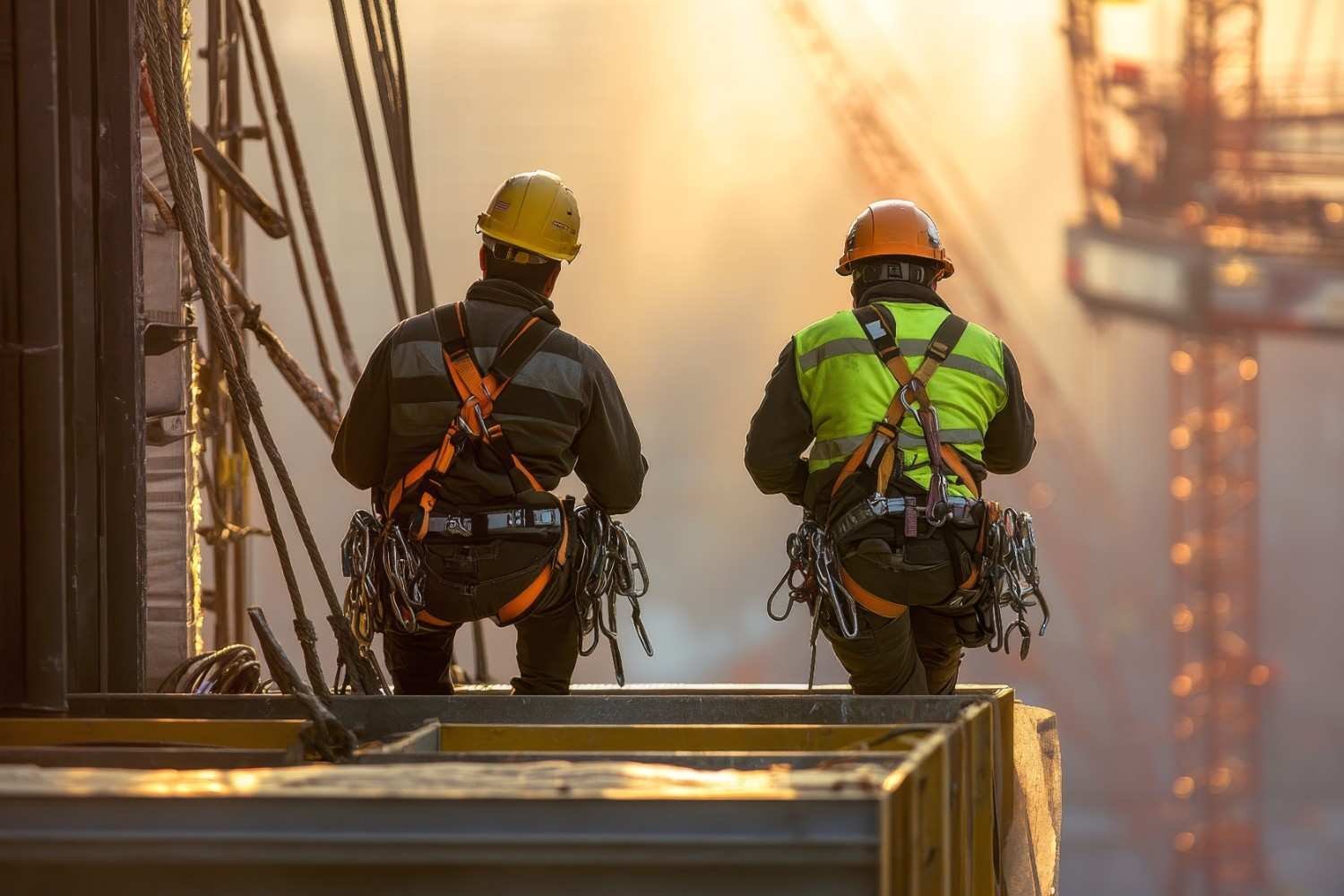
Digital apps offer real-time tracking, cloud storage, photo uploads, reminders, and easier corrective action follow-up. They work well for contractors managing several crews, but they need mobile access and basic device training.
Paper forms are simple and easy to complete by hand, but they can be lost, damaged, or filed without follow-up.
A hybrid approach gives flexibility, but it can create inconsistent safety records if crews do not follow one process. Whether you use an OSHA checklist PDF, a free construction safety checklist template, or a mobile inspection app, consistency matters more than format.
Frequently Asked Questions (FAQs)
1. What is included in a construction site safety checklist?
It includes fall protection, PPE, scaffolds, ladders, electrical hazards, trenches, tools, housekeeping, fire safety, first aid, training, and corrective action records.
2. Who should complete a jobsite safety checklist?
A competent supervisor, safety manager, foreman, or qualified person who understands the work hazards should complete and sign it.
3. How often should construction safety inspections be done?
High-risk areas should be checked daily, while deeper reviews should happen weekly, after severe weather, near misses, or major site changes.
4. Is a checklist enough for OSHA compliance?
No. A checklist supports compliance, but employers still need training, hazard controls, competent persons, documentation, and corrective action.
Final Thoughts
I would build every OSHA construction safety checklist around the hazards most likely to injure workers, then use it to assign responsibility and verify corrections.
The strongest checklist covers falls, scaffolds, ladders, electrical risks, PPE, trenches, housekeeping, fire safety, first aid, sanitation, and records. Used daily, it becomes a safer way to manage the site, not just another compliance task.